
Last updated November 14, 2026
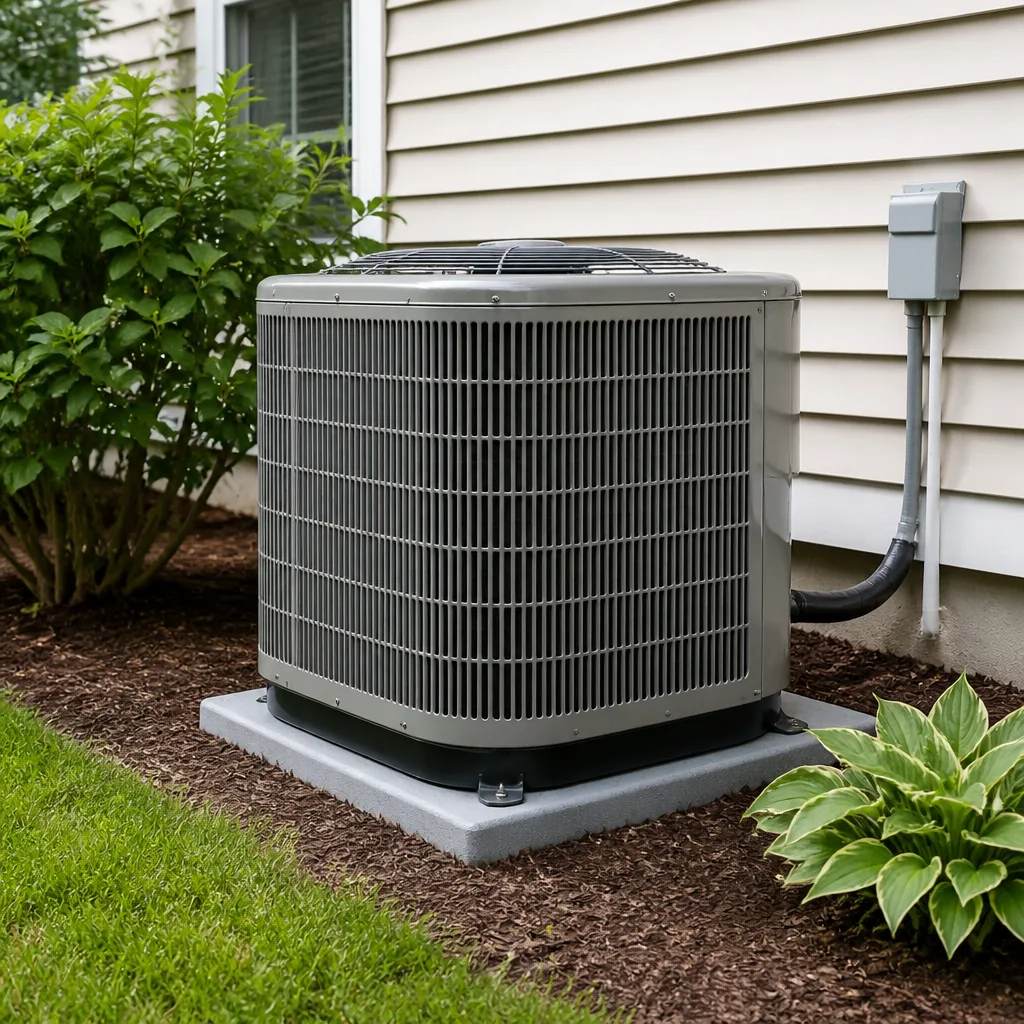 AC repair
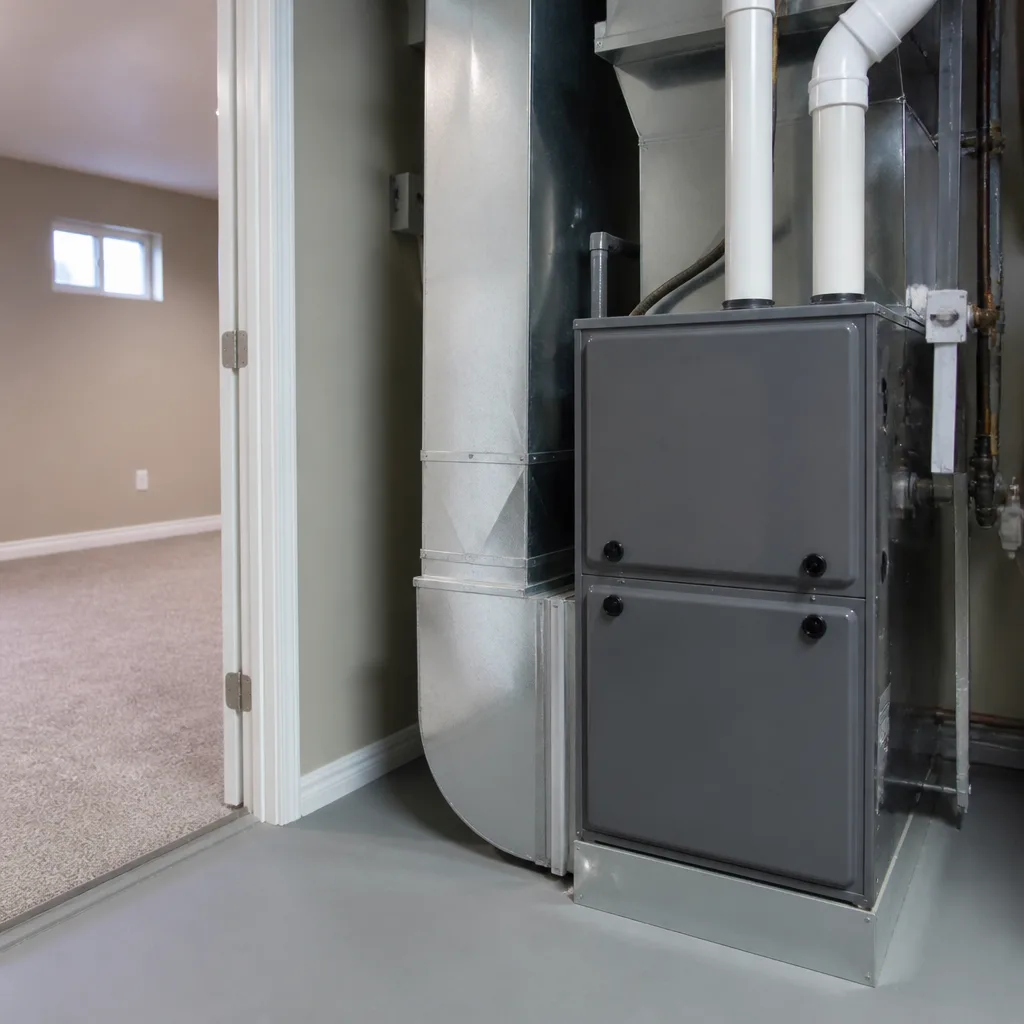 Furnace & heating
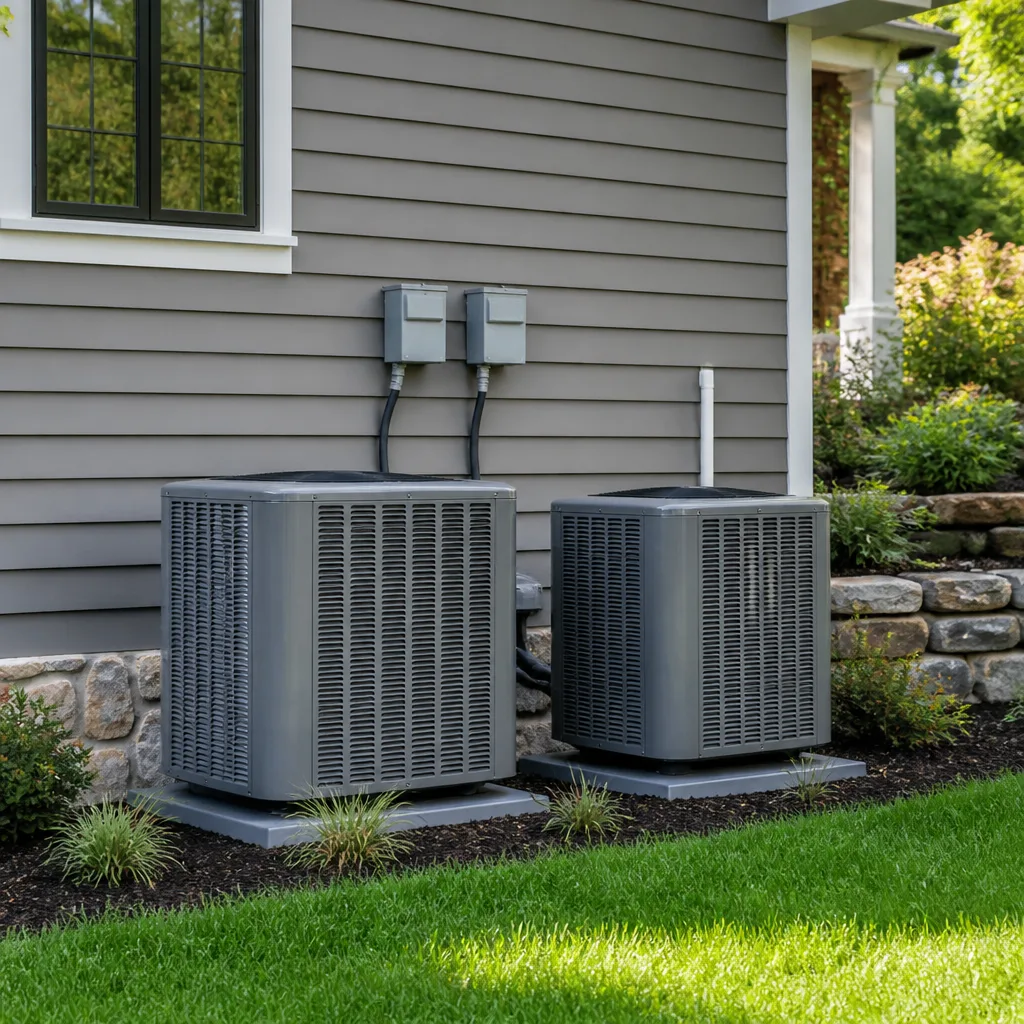 Heat pumps
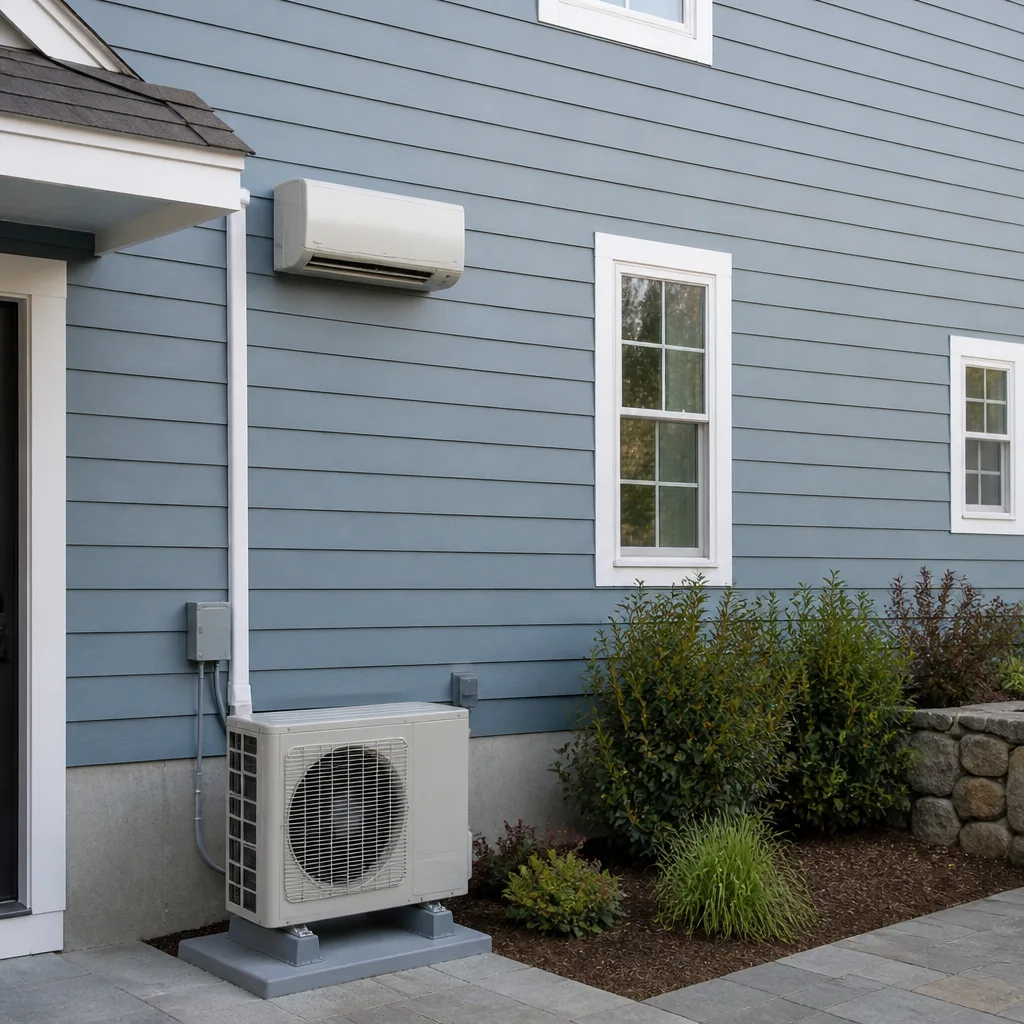 Ductless mini splits
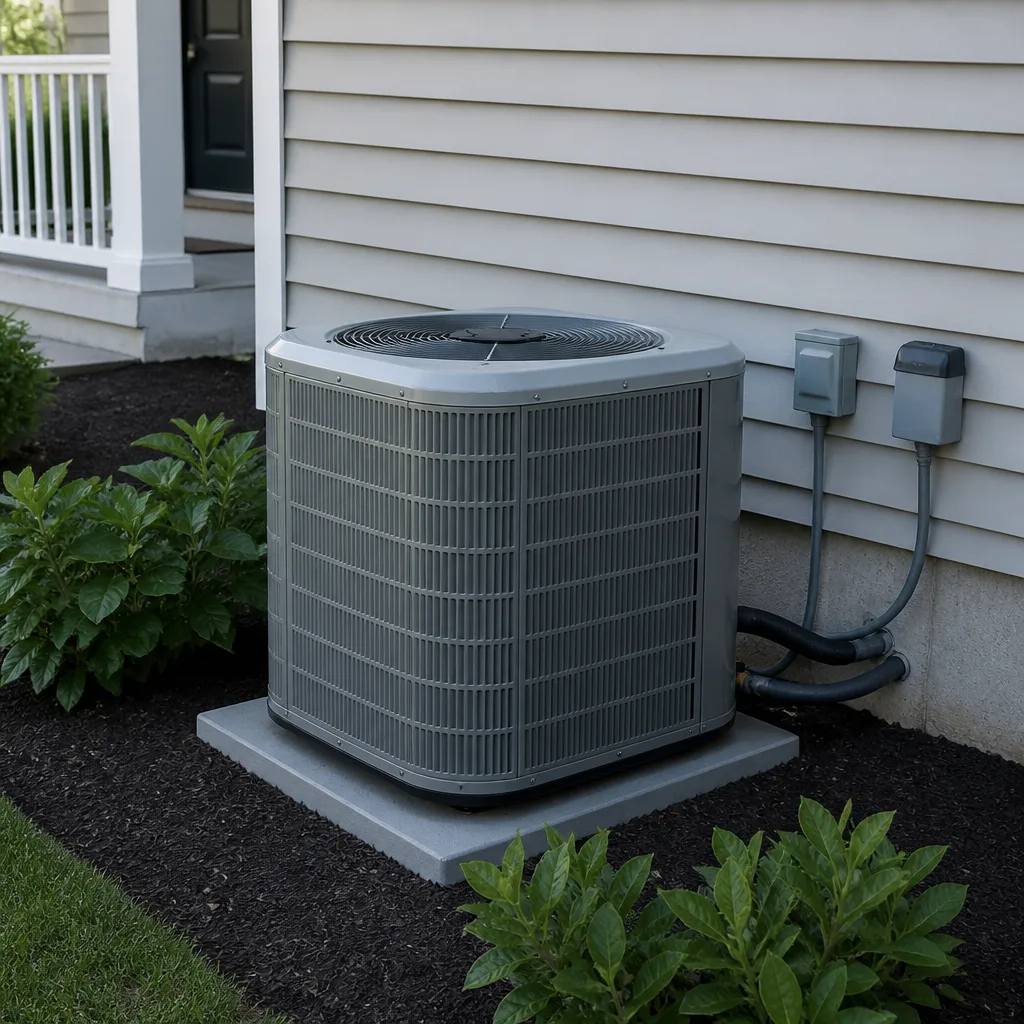 Carrier
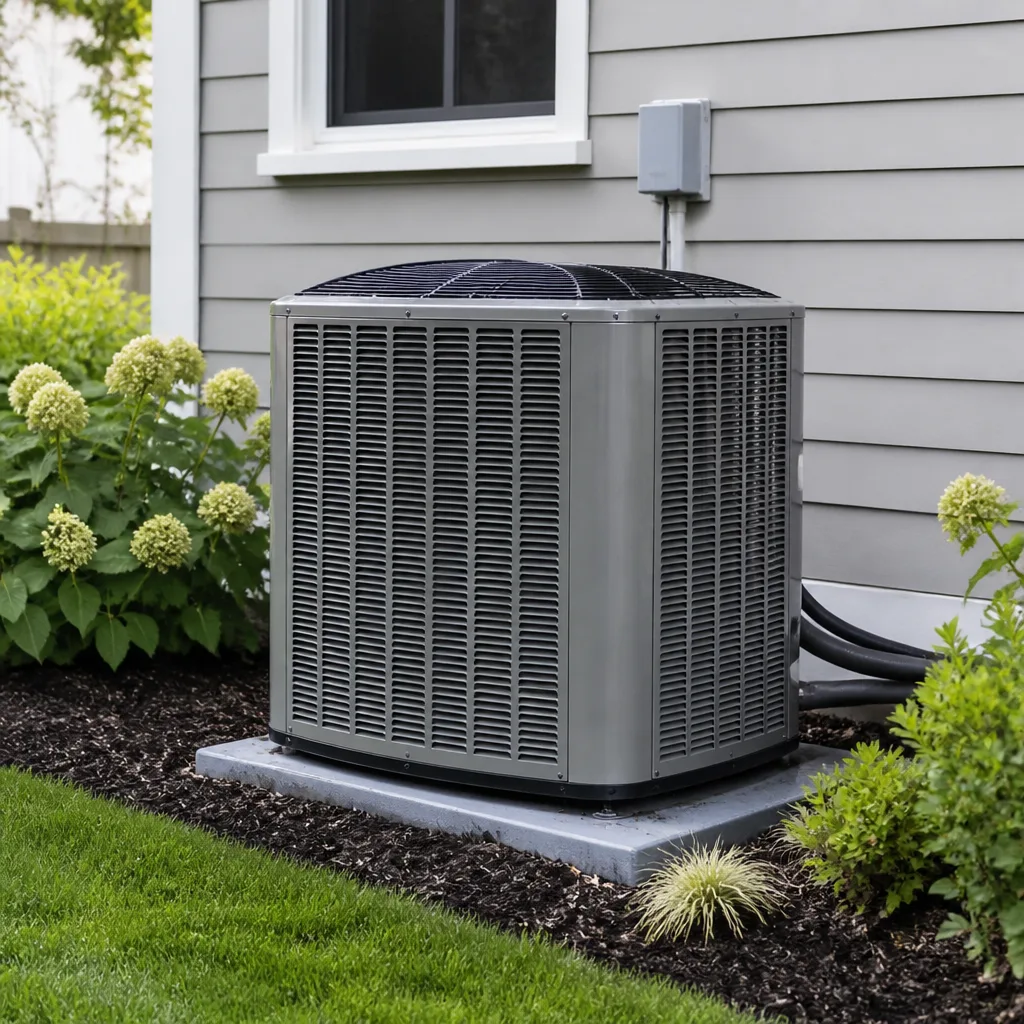 Trane
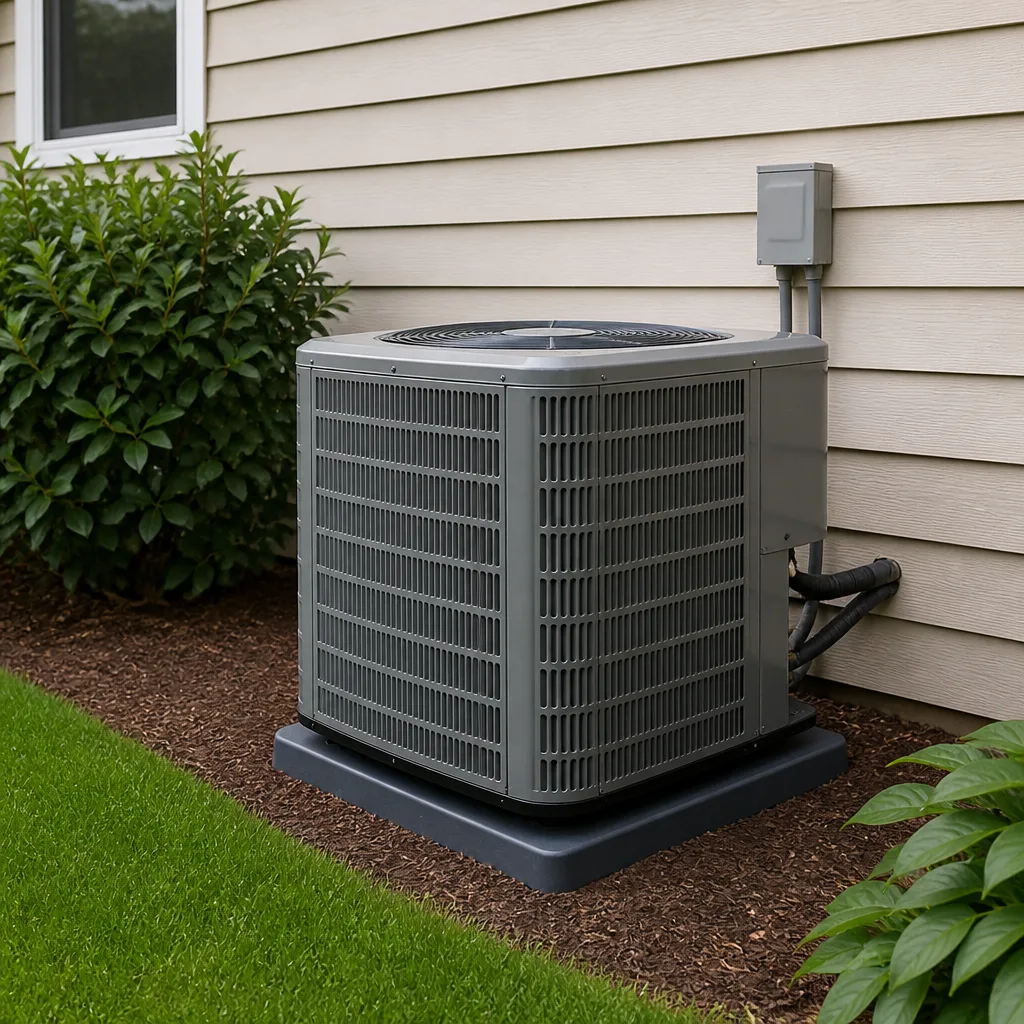 Goodman
Seasonal tune-up and full diagnostic on your Carrier, Trane, or Goodman system - readings shown to you before any repair is proposed
Diagnosis first, numbers second - you approve the repair price before a single part goes in.
Get your free estimateAC Repair Troubleshooting in Garland: Common Problems and How to Fix Them
Most “AC not working” calls in Garland come down to one of maybe seven root causes, and several of them are things a homeowner can spot or even reset without touching a screwdriver. But here’s the catch: a few of those causes look identical from the outside while demanding completely different fixes. A warm vent can mean a tripped safety switch or a leaking refrigerant line, and the two are not in the same universe of cost or risk. This guide is a symptom-first troubleshooting map written from the equipment side. You’ll learn the checks that are safe to do yourself, the observations that help a technician arrive already knowing what to look for, and the exact points where you should stop and put the tools down.
Quick Answer
When a Garland AC stops cooling, the fastest way to sort the problem is by symptom: no air moving points to the thermostat, blower, or a tripped condensate float switch; warm air with the fan running points to refrigerant or coil trouble; short cycling points to airflow or a failing capacitor; and ice on the indoor or outdoor unit almost always means restricted airflow or low refrigerant. The first three checks – filter, thermostat, and condensate switch – are safe for most homeowners. Anything involving refrigerant lines, the electrical panel, or the air handler in a hot attic is a job for a trained technician.
Styles & brands we work with
- AC repair
- Furnace & heating
- Heat pumps
- Ductless mini splits
- Carrier
- Trane
- Goodman
Table of Contents
- Start With the Symptom: A Decision Tree
- No Air at All: Thermostat, Blower, and the Condensate Float Switch
- Warm Air With the Fan Running
- Short Cycling: When the System Starts and Stops Too Fast
- Dirty Coil Versus Frozen Coil: The Same Symptom, Different Fixes
- Capacitor Failure: The Signs You Can Catch Before a Diagnostic
- Strange Noises and What They Usually Mean
- Where DIY Stops and a Technician Starts
Start With the Symptom: A Decision Tree
The mistake most people make is describing the problem by the symptom they feel (“it’s not cold”) instead of the symptoms the system is showing. Those aren’t the same thing. Two homes can both feel warm inside and have completely different failures. Before you call anyone, walk through the house and answer five simple questions about what the equipment is actually doing.
Here is the sequence we’d use on arrival, simplified for a homeowner:
- Is the thermostat calling for cool? Confirm it’s set to COOL, the setpoint is below the current room temperature, and the display is on. A blank or blanking thermostat points to power, batteries, or a tripped float switch.
- Is the indoor blower running? Put your hand at a supply vent. Strong airflow, weak airflow, and no airflow are three different diagnoses.
- Is the outdoor condenser running? Stand near the unit and listen. A quiet unit, a humming-buzzing unit, and a running-but-not-cooling unit each lead somewhere different.
- Is there ice or water where it doesn’t belong? Ice on the copper lines, the indoor coil cover, or the outdoor unit is a hard stop signal. Water pooling near the air handler is a different problem.
- Is there a strange noise? Humming, clicking, rattling, buzzing, and screeching are each a fingerprint for a different component.
That five-minute walk tells you which section below to read. Garland homes are mostly single-family and many are older builds with ducts in unconditioned attic space, so the system has to work through hot attics all summer. That environment matters for a few of the diagnoses below, especially the condensate system and airflow restrictions.
No Air at All: Thermostat, Blower, and the Condensate Float Switch
If the thermostat is calling for cool and you feel nothing at the vents, the system has been disabled by one of its own safety devices, or power to the blower is interrupted. In our experience across Garland systems, one of the most underdiagnosed causes of “the AC won’t come on” is a tripped condensate float switch – and it’s often something a homeowner can safely reset.
Here’s what that switch does. Split systems pull humidity out of the air, and that moisture drips into a primary drain pan and out a condensate line. If that line clogs – common in humid climates where algae grows in the pipe – water backs up into the pan. A float switch rides on top of the pan and, when the water rises, the switch opens and cuts power to the cooling cycle so water doesn’t overflow into the ceiling. That’s the safety design doing its job.
Many float switches have a small manual reset button on the housing. The safe homeowner check:
- Turn the system off at the thermostat.
- Locate the air handler (often in the attic, closet, or garage in Garland homes) and find the drain pan under the indoor coil.
- Look for standing water in the pan. If you see water, the drain line is likely clogged and needs clearing.
- If there’s a visible reset button on the float housing and the pan is dry, press it once.
- Turn the thermostat back on and watch for at least a minute.
If the pan refills quickly, the switch trips again within minutes, or you can’t safely reach the unit, stop and call. A clogged drain that keeps tripping the switch means the underlying line needs clearing, not just a reset. Any work inside an attic air handler in a Garland summer is heat-exposure work, and it’s worth letting a technician handle it if the access is tight or the pan is mounted awkwardly.
Warm Air With the Fan Running
Air is moving but it isn’t cold. That distinction matters because it rules out the thermostat, the blower, and the float switch – those would give you no air. Warm air with the blower running narrows to a few causes, and most of them are on the refrigerant side of the system.
The usual suspects, in roughly the order a technician would check them:
- Low refrigerant charge. Either the system was never correctly charged or there’s a leak. Refrigerant doesn’t “get used up” – if it’s low, it went somewhere. A Trane or Lennox split system that’s cooling fine one season and warm the next usually has a leak, and a pure recharge without finding it is a temporary patch.
- Dirty condenser coil outdoors. A coil clogged with dust, grass clippings, and Garland pollen can’t reject heat. The compressor runs, but the air coming off the outdoor unit is much cooler than it should be.
- Dirty evaporator coil indoors. This one gets covered in its own section below because it often produces ice rather than simple warmth.
- Failing compressor. The outdoor unit hums or buzzes but doesn’t start, or it starts and shuts off quickly. This is a hard-stop diagnosis for a technician.
- Restricted ductwork. A crushed or disconnected duct in the attic can send most of your cooling into the attic instead of the rooms. It’s easy to check for air volume at each supply register – a room with weak airflow while others are strong points toward a duct problem.
Of these, only the duct check and the outdoor coil check are realistic homeowner observations. Anything refrigerant-related requires gauges and trained hands. Refrigerant is also regulated, so it isn’t something a homeowner can safely handle even if they wanted to.
Short Cycling: When the System Starts and Stops Too Fast
Short cycling means the system runs for a short stretch, shuts off, then comes back on before it should. It’s a symptom worth taking seriously because it stresses the compressor every time it starts, and the compressor is the most expensive part of the system. A system that short cycles all summer will not last as long as one that runs in long, even cycles.
Common causes:
- Restricted airflow. A clogged filter is the most common beginner mistake. A filter that’s caked with dust starves the system for air, which drops indoor coil temperature, which can freeze it, which trips the system on a safety. Check the filter first – it’s cheap to fix and you can do it yourself.
- Oversized system. A unit that’s too large for the home cools the air quickly, satisfies the thermostat, and shuts off before it’s pulled enough humidity out. This is a design problem, not a repair, and it’s worth knowing if your Garland home has one – it shows up as “cold but still feels clammy.”
- Failing capacitor. Covered in detail below. A weakening capacitor can’t reliably start the compressor or blower motor, so the system trips and resets.
- Low refrigerant. A low charge causes the compressor to overheat and cut out on its internal protection. A Goodman or Rheem system that short cycles on hot afternoons often falls into this category.
- Thermostat location or calibration. A thermostat near a hot window or a supply vent can misread the room. A simple relocation or replacement can fix repeat cycling.
Once you’ve swapped the filter, the next safe observation is to time the cycles. If the system runs for less than about five minutes per cycle on a hot day, that’s worth a call. It’s better to diagnose short cycling than to replace a compressor because it was cycling for a month.
Dirty Coil Versus Frozen Coil: The Same Symptom, Different Fixes
Here’s where homeowners most often go wrong. A dirty evaporator coil and a frozen evaporator coil produce nearly identical symptoms: the house isn’t cooling well, airflow at the vents feels weak, and the system seems to run constantly. But the fixes are completely different, and the wrong fix makes things worse.
A dirty coil is one that’s coated with dust, pet hair, or a mat of fine debris on the fins. The metal is still metal – you can see the fins – but they’re blocked. The air can’t move heat through them. Fixing it means cleaning the coil, which is done with the coil in place or removed depending on access.
A frozen coil is one where the fins are encased in ice or frost. You’ll see this from outside the air handler as frost on the refrigerant lines, ice on the coil access panel, or actual ice on the outdoor unit. A frozen coil can look clean underneath the ice – it’s not necessarily dirty at all. The freeze is usually caused by low refrigerant or restricted airflow (a dirty filter, a failed blower, or crushed ductwork), and melting the ice without fixing the root cause just repeats the cycle.
What to do when you see ice:
- Turn the system off at the thermostat. Do not run it – running a frozen system pushes liquid refrigerant back to the compressor, which is how compressors get killed.
- Do not chip, scrape, or pick at the ice. The coils are thin and easily punctured.
- Let the ice melt naturally. It can take hours. If you want to help it, run the indoor fan only (FAN setting, not COOL) with the system’s compressor off – but only if you’re certain your thermostat supports fan-only operation safely.
- Once the ice is gone, change the filter and check for obvious duct problems.
- If the system freezes again after that, stop. It’s a technician diagnosis at that point.
One more thing Garland homeowners should know: a frozen coil that keeps coming back is very often a low refrigerant charge, and refrigerant work is not a homeowner task. The charge is regulated, the equipment is specialized, and a DIY attempt can leave the system worse and more expensive to repair.
Capacitor Failure: The Signs You Can Catch Before a Diagnostic
A capacitor is a small, cheap component that gives the compressor and blower motor the burst of energy they need to start. When it fails, the system either won’t start at all or starts, runs briefly, and cuts out. A capacitor is one of the most common failures on a residential HVAC system – and one of the cheapest to replace once it’s diagnosed.
The signs any homeowner can observe, without removing a panel:
- The outdoor unit hums but doesn’t start. A steady, low hum with no fan motion or compressor sound is a classic sign. The motor is trying to spin but there isn’t enough starting torque.
- The fan starts by hand but not by itself. If the outdoor fan blades turn freely when you stop the system and spin them by hand (with power off, this is a physical check, not a repair) and the system then starts, the capacitor is likely weak. Please note: do not reach into a running or recently-running outdoor unit. The capacitor stores charge even after power is cut.
- Repeated start-stop cycles. The system tries, fails, waits, tries again. This can also be a low refrigerant or airflow issue, but the hum-while-trying pattern points to a capacitor.
- A buzzing sound from the outdoor unit. A failing capacitor often buzzes at the same time the compressor tries to start.
Capacitors are inexpensive to replace – but this is the section where we stop. The capacitor is charged and sits near line voltage. It can hold enough charge to injure someone even with the disconnect pulled. This is a technician’s job, and it’s a fast, straightforward repair when confirmed. Knowing the symptom tells the technician at Sunstone to bring the right part and skip a step, which is why it’s worth observing carefully before you call.
Strange Noises and What They Usually Mean
Sound is one of the best diagnostic tools a homeowner has, as long as they know what they’re listening for. Here’s how the common noises map to likely causes.
- Steady humming outdoors with no fan motion. Capacitor failure or a seized compressor. Stop using the system and call.
- Clicking that repeats. Usually a control board, contactor, or thermostat signal issue. If the clicking is followed by the system turning off, that’s a safety trip.
- Rattling or vibrating. Loose panel screws, a fan blade out of balance, or debris in the outdoor unit. Sometimes harmless, sometimes a sign of a failing fan motor. Worth a visual check with power off.
- Buzzing indoors. Blower motor bearings or a failing contactor. A blower that buzzes without turning is a starting-capacitor or motor problem.
- Screeching or squealing. Belt or bearing failure. On a residential system, usually the blower motor. Stop running the fan until it’s checked.
- Hissing. Refrigerant leak or a refrigerant restriction. Stop using the system and call.
- Gurgling indoors. Often condensate draining. Sometimes normal when the system first starts, but persistent gurgling together with water pooling means the drain is clogged.
In Garland, the outdoor noise that most often signals a problem is a fan running at lower-than-normal pitch or a compressor that starts with a much louder hum than last year. Sound changes on a residential system are usually a leading indicator of a component on the way out. If you can describe the noise and where it comes from, that speeds up a diagnosis considerably – which is exactly the kind of detail we’re trained to work from.
Where DIY Stops and a Technician Starts
The diagnosis in this guide is designed to help you fix what’s fixable and step away from what isn’t. Here’s where we draw the line.
Safe for most homeowners:
- Replacing the air filter. Do this several times a year, and more often during Garland’s heavy pollen season.
- Checking and adjusting the thermostat. Confirm mode, setpoint, and fan setting.
- Resetting a condensate float switch when the pan is dry and the switch has a visible reset button.
- Clearing debris and grass clippings away from the outdoor condenser coil.
- Verifying airflow at every supply register and noting which rooms are weak.
- Listening for noises and noting the locations and patterns.
Stop and call:
- Anything involving refrigerant. Refrigerant lines are pressurized, refrigerants are regulated, and a leaking system needs a proper leak test and repair, not a quick fill.
- Anything involving the electrical panel or the disconnect switch at the outdoor unit.
- Opening the air handler cabinet in an attic space, especially in summer – the heat load alone is a real hazard, and the panel hides live electrical components.
- Anything involving the capacitor, contactor, or blower motor wiring.
- Any system that has frozen over, has ice on the lines, or trips a float switch more than once.
If you’ve done the safe checks and the system still isn’t working, that’s exactly the point where a technician is worth the call. A trained diagnosis on the right equipment saves you from paying twice – once for the wrong repair and again for the right one.
Common Mistakes to Avoid
- Resetting the float switch without checking for water. If the pan is full, the switch is doing its job and resetting it just floods the same space again. Address the drain before you reset.
- Running a frozen system to “see if it melts.” Running a frozen system pushes liquid refrigerant back to the compressor, and that’s how an expensive repair becomes a replacement. Turn it off and let it melt.
- Recharging refrigerant to fix a warm-air complaint. Refrigerant doesn’t wear out. If it’s low, there’s a leak, and a recharge without a leak test is money spent twice.
- Buying a bigger capacitor or “upgrading” without a diagnosis. A capacitor has to match the motor it’s starting. The wrong rating causes the same failure or worse, and it isn’t a job to guess at.
- Assuming a warm house means the thermostat is broken. A thermostat calling for cool with warm air at the vents is nearly always a system problem, not a thermostat problem. Two minutes of checking mode and setpoint answers that question.
- Ignoring a duct you can’t see. A crushed or disconnected flex duct in a Garland attic can defeat an otherwise healthy system. If one room is always warmer than the rest, ask a technician to look at the ducts.
- Skipping the filter. It’s the cheapest possible fix and it’s responsible for a large share of “my system won’t cool” complaints. Replace it on a schedule, not on a breakdown.
See the difference
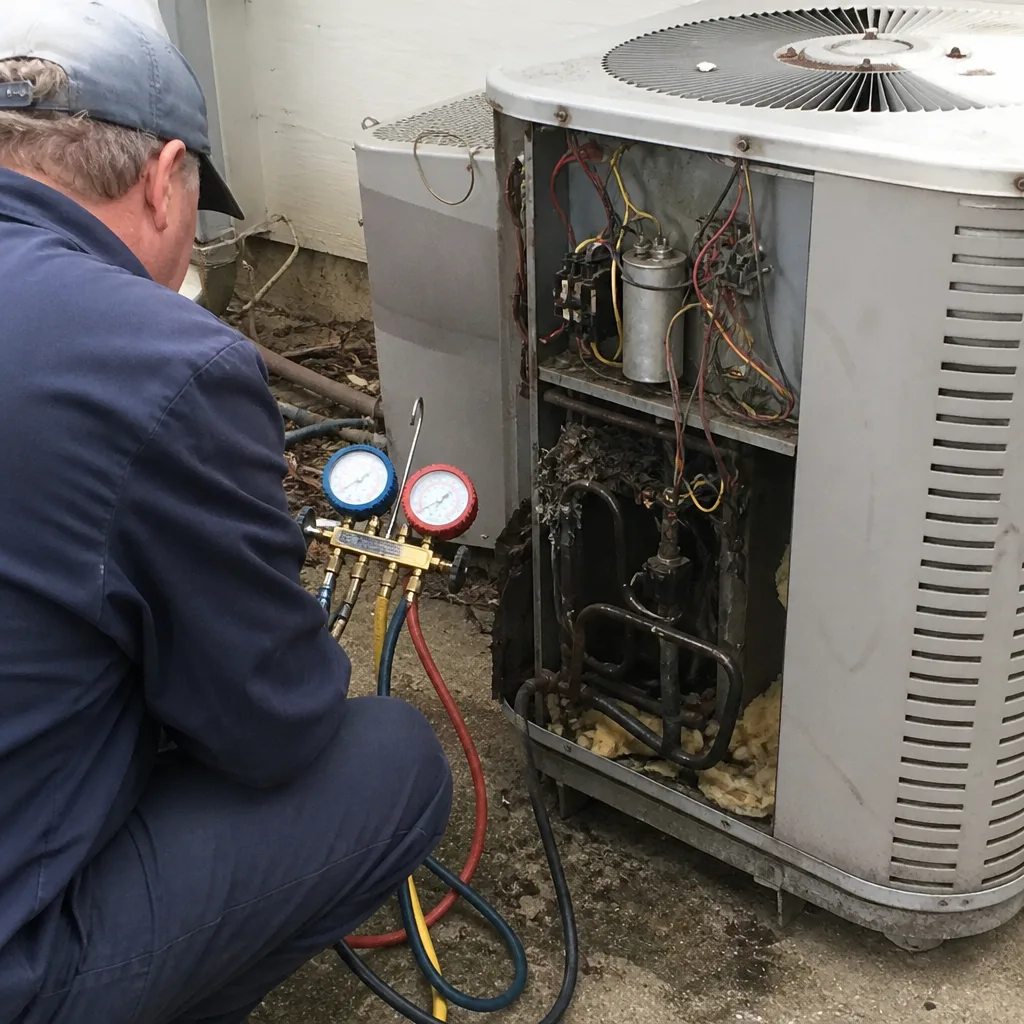 Before
 After
 Before
 After
 Before
 After
When to Call a Professional
Call a technician when the system has ice on it, when the outdoor unit hums but won’t start, when the compressor short cycles repeatedly on hot days, when the float switch trips more than once, when you smell burning or hear hissing, or when you simply can’t safely reach the air handler. Any work involving refrigerant, the electrical panel, or an attic-mounted unit is a professional job, not because it’s hard to describe but because the risk and the regulation are real. If you’ve done the safe checks in this guide and the system still isn’t cooling, that’s the point of diagnosis. Sunstone AC Repair offers free estimates in Garland – call (866) 970-7959 to book a visit. We answer 24/7. Fast dispatch from 7am to 7pm, Sunday through Friday.
Frequently Asked Questions
Warm air with the fan running almost always points to low refrigerant, a dirty condenser coil, a dirty or frozen evaporator coil, or restricted ductwork. The fastest check is to look for ice on the indoor or outdoor unit – if it’s frozen, turn the system off at the thermostat and let it melt before anything else. If it isn’t frozen, check the air filter and clear debris from the outdoor coil. Call (866) 970-7959 for an exact quote if the air is still warm afterward – estimates are free.
Yes, in a limited set of cases. If the thermostat is calling for cool and you have no airflow at the vents, and you can safely reach the air handler, look at the condensate drain pan. If the pan is dry and the float switch has a visible reset button, press it once. If the pan has water, the drain needs clearing and the switch will just trip again. Anything beyond that – compressor, blower motor, capacitor, or refrigerant – is a technician’s job, not a reset.
A steady hum with no fan motion is a classic sign of a failing capacitor, though a seized fan motor or compressor can produce a similar symptom. Stop running the system to avoid pushing the motor or compressor harder. A technician can confirm which component is failing with a quick meter test, and a capacitor replacement is a short, straightforward repair once confirmed. Call us for a free estimate.
Ice on the coil or lines usually comes from low refrigerant or restricted airflow – a clogged filter, a failed blower, or crushed ductwork. Garland’s humid summers make condensate problems more common, and a system that’s already struggling with airflow will freeze faster in high humidity. Turn the unit off at the thermostat, let the ice melt, replace the filter, and if it freezes again, it’s time for a technician. Call (866) 970-7959 to schedule a visit.
Change it at least every 1-3 months depending on filter type and household conditions. Homes with pets, heavy carpet, or frequent window use tend to need more frequent changes. During Garland’s pollen season, a filter can load up faster than usual, so check it monthly and replace it whenever it looks dark or coated. A clean filter is the cheapest insurance against short cycling and frozen coils.
Yes, if you’ve done the safe checks and the system still isn’t cooling correctly. A proper diagnosis on the right equipment saves you from guessing and from an expensive wrong repair. Sunstone AC Repair is certified on nine of the most-installed residential brands – Carrier, Trane, Lennox, Goodman, Rheem, York, Daikin, Bryant, and American Standard – so the technician who arrives knows your unit’s known failure points and can tell you quickly whether it’s a repair or something more. Call (866) 970-7959 for a free estimate.
The Bottom Line
The value of a symptom-first approach is that it lets you solve the simple problems and hand off the complicated ones with confidence. Filter, thermostat, condensate switch, airflow at the vents, outdoor coil debris – those are the checks that pay for themselves. Anything that touches refrigerant, the electrical panel, or an attic air handler goes to a technician. And if you’ve walked the house and you still can’t tell what’s wrong, that’s the point where a trained diagnosis is cheaper than guessing. Sunstone AC Repair is a Sunstone AC Repair company that handles both AC repair and AC installation for homes across Garland, so the same team that diagnoses the problem can tell you whether repair or replacement is the right call. Call (866) 970-7959 to book a free estimate. We answer 24/7. Fast dispatch from 7am to 7pm, Sunday through Friday.
Written by the team at Sunstone AC Repair, serving Garland since 2018.