
Last updated November 14, 2026
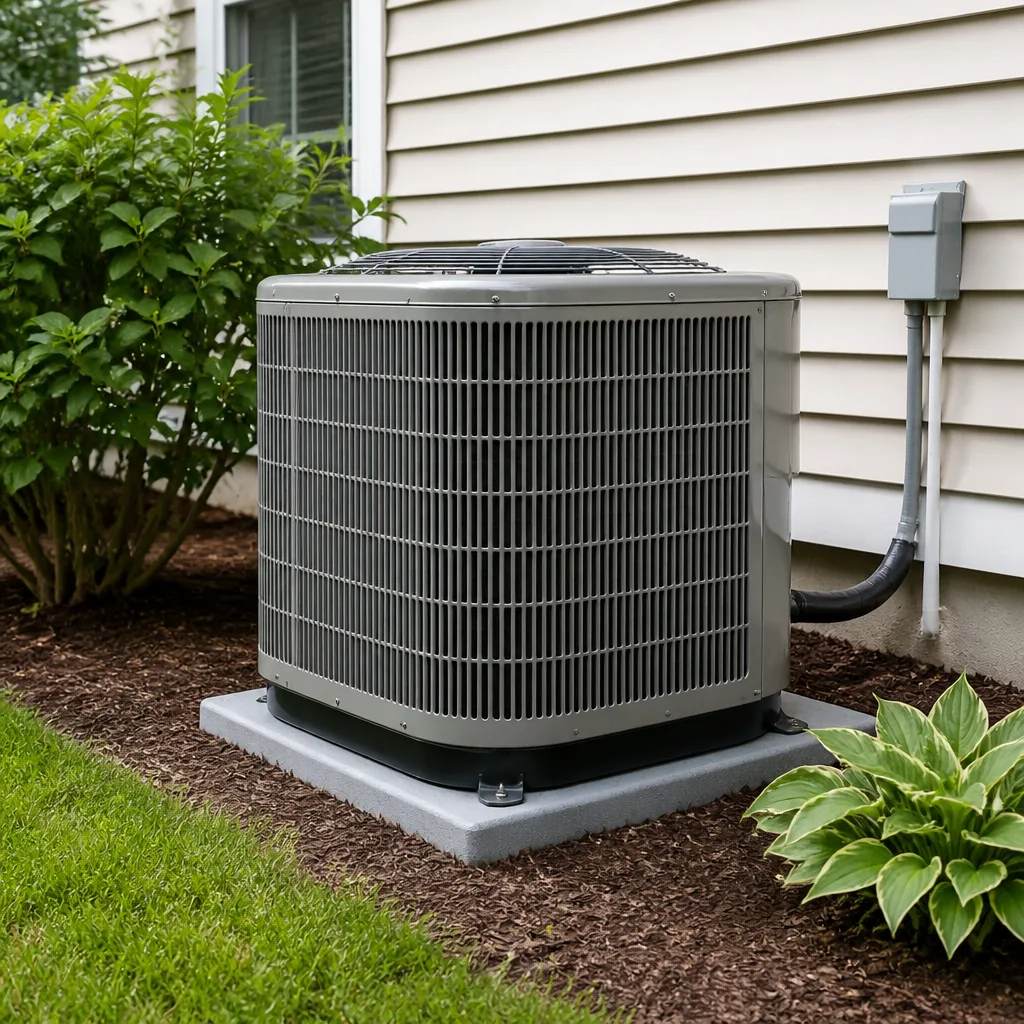 AC repair
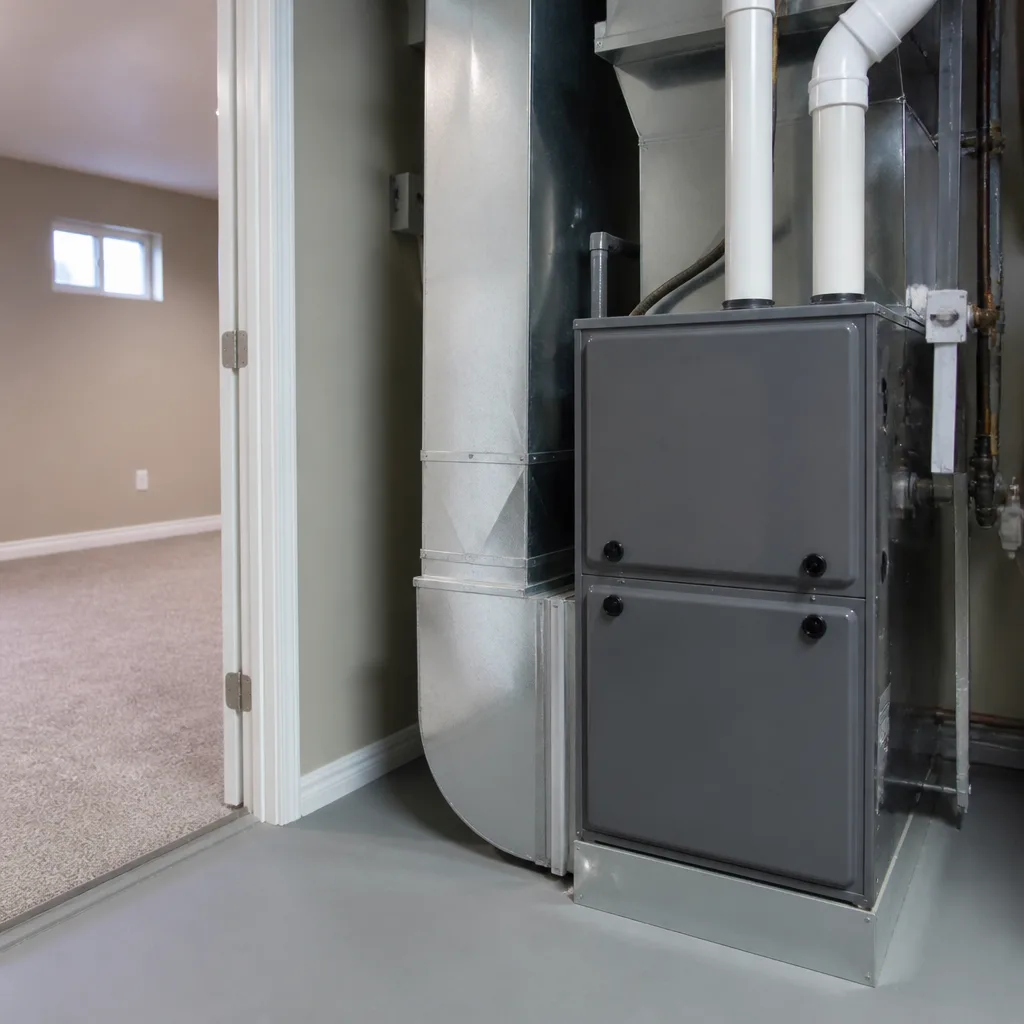 Furnace & heating
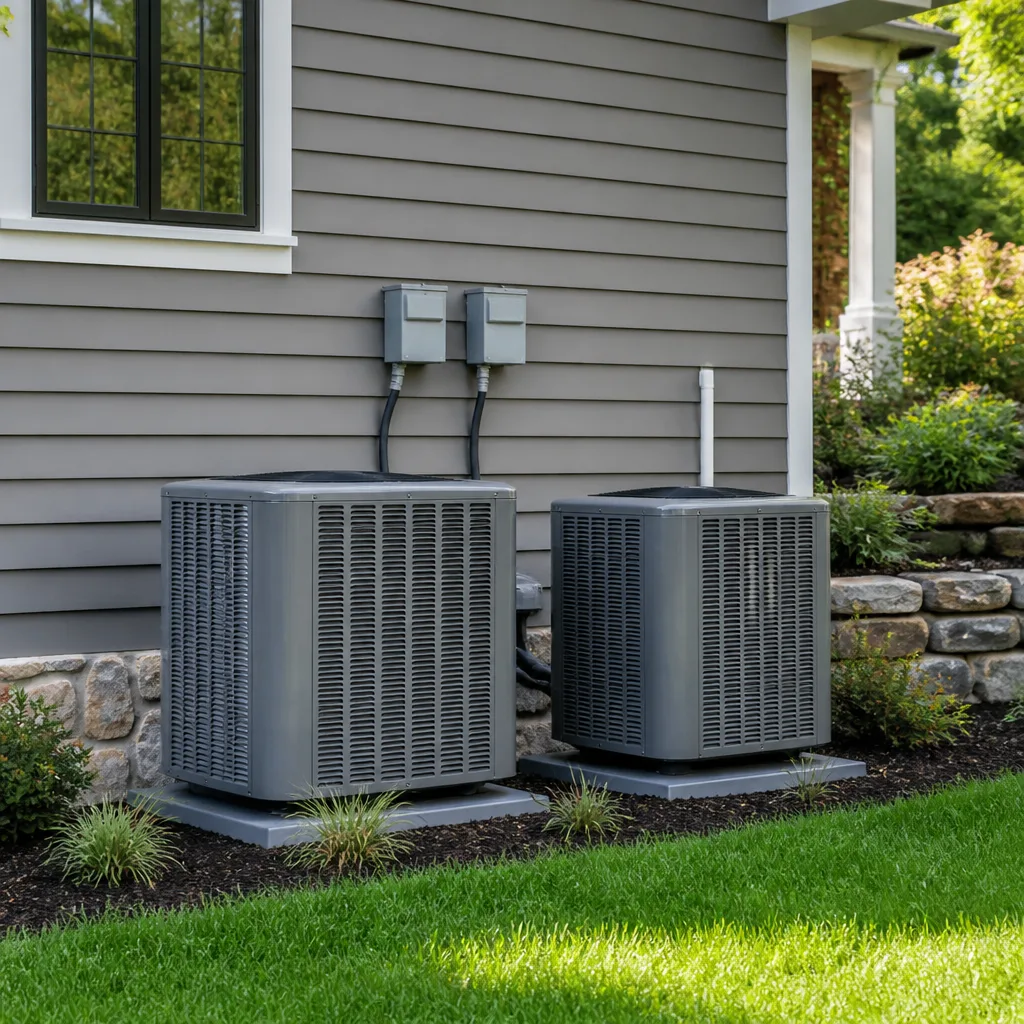 Heat pumps
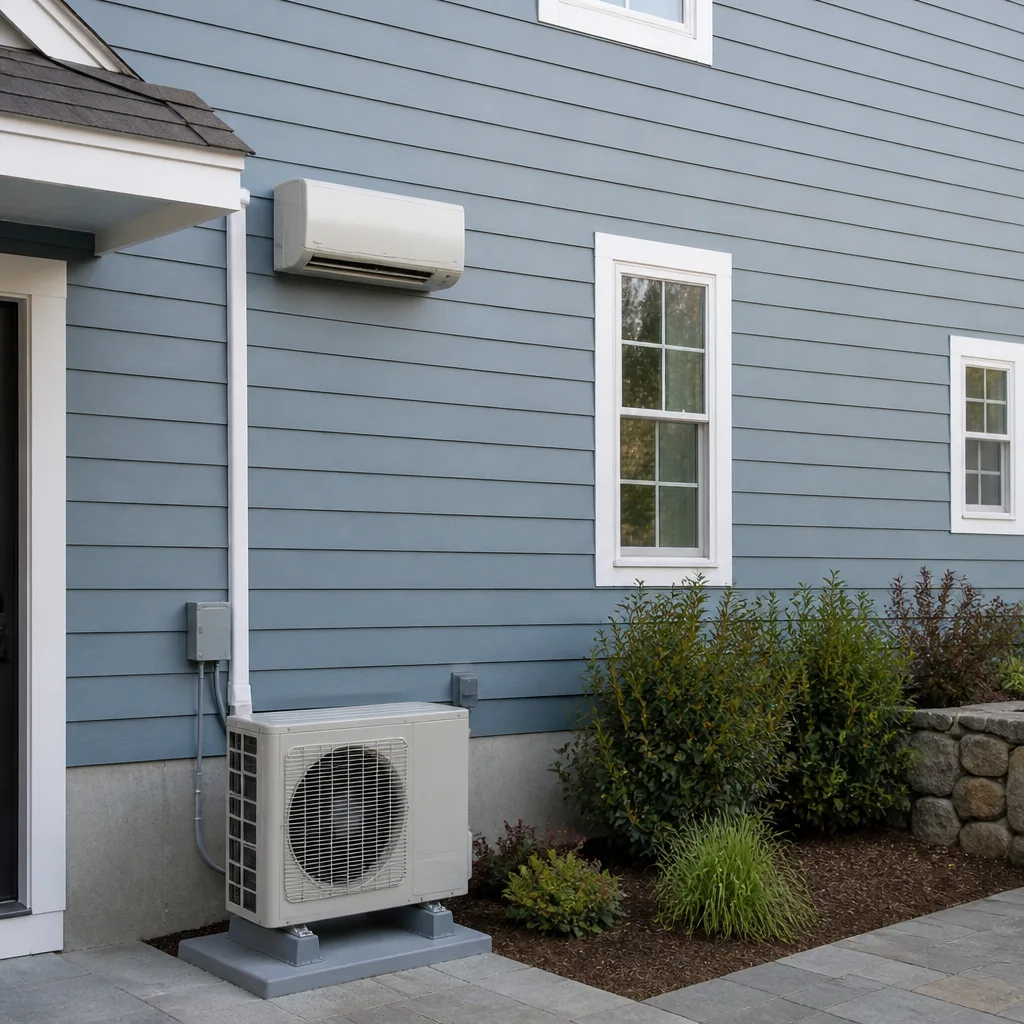 Ductless mini splits
 Carrier
 Trane
 Goodman
Seasonal tune-up and full diagnostic on your Carrier, Trane, or Goodman system - readings shown to you before any repair is proposed
Diagnosis first, numbers second - you approve the repair price before a single part goes in.
Get your free estimateDIY vs Professional HVAC: The Garland Homeowner’s Decision Guide
Most DIY-versus-professional HVAC advice sorts tasks by difficulty, and that framing gets people into trouble. The real dividing line is risk category. Changing a filter is genuinely low-risk. Handling refrigerant without an EPA Section 608 certification is a federal violation, not a guideline, and it’s one of the few DIY HVAC mistakes that can lead to a fine rather than just a botched repair. In between those poles sits a middle zone where you can do the work but should know exactly what you’re accepting. This guide draws all three lines clearly, with the Texas legal boundaries, the warranty rules by brand, and the tools that actually help a Garland homeowner, without condescension and without pretending everything requires a truck roll.
Styles & brands we work with
- AC repair
- Furnace & heating
- Heat pumps
- Ductless mini splits
- Carrier
- Trane
- Goodman
Quick Answer
For a Garland homeowner, the honest answer is that roughly a third of HVAC upkeep is safe to do yourself: filter changes, clearing the outdoor unit, keeping the condensate drain flowing, and basic thermostat settings. Anything involving refrigerant, electrical components inside the air handler or condenser, gas lines to a furnace, or sealed-system diagnosis belongs to a licensed professional, both because Texas law draws that line and because the mistakes cascade in ways that cost far more than the original repair. The middle zone, things like washing a coil or swapping a thermostat, is doable if you accept the specific risks involved.
Table of Contents
- The Three Risk Categories, Defined
- Safe DIY: What a Prepared Garland Homeowner Can Handle
- DIY With Risk: What You’re Accepting
- Professional-Only: Why Each Task Falls There
- Texas Law: What You Can and Can’t Legally Do
- Warranty Rules by Brand
- The Hidden Cost of DIY Mistakes
- Tools That Help vs. Tools That Give False Confidence
The Three Risk Categories, Defined
Sorting HVAC tasks by risk instead of difficulty changes the whole conversation. Difficulty asks “can I physically do this?” Risk asks “what happens if I get it wrong, and who else is affected?” A task can be easy and high-risk at the same time. Recharging a system is not physically hard. It’s just illegal without certification and easy to ruin a compressor doing. That’s the disconnect most homeowners never hear explained.
Here’s how we break it down when a Garland customer asks us directly.
- Safe DIY: A mistake costs you a few dollars and no one gets hurt. Filters, outdoor unit cleaning, drain maintenance, thermostat batteries and settings.
- DIY with risk: Physically doable, but the consequences of a partial mistake include a damaged component, a voided warranty, or a system that runs wrong for months before you notice. Coil cleaning, thermostat replacement, capacitor replacement on some units.
- Professional-only: Legally restricted, safety-critical, or dependent on tools and knowledge a homeowner doesn’t have. Refrigerant handling, sealed-system diagnosis, electrical work in the air handler, gas furnace work, compressor and motor replacement.
The category matters more than the skill level because the failures in the top two tiers are recoverable and the failures in the bottom tier are not. A clogged filter costs you airflow. A misdiagnosed capacitor swap can take out a compressor. A refrigerant top-off without leak detection can mask a problem until the system fails in the middle of a Garland August.
Safe DIY: What a Prepared Garland Homeowner Can Handle
These are the tasks where doing it yourself is genuinely the right call. They save money, they take minutes, and a mistake is either obvious or harmless.
- Change the air filter. Every 30 to 90 days depending on dust and pets. This is the single highest-return maintenance task on any system, and it’s the one that most affects airflow during Garland’s long cooling season.
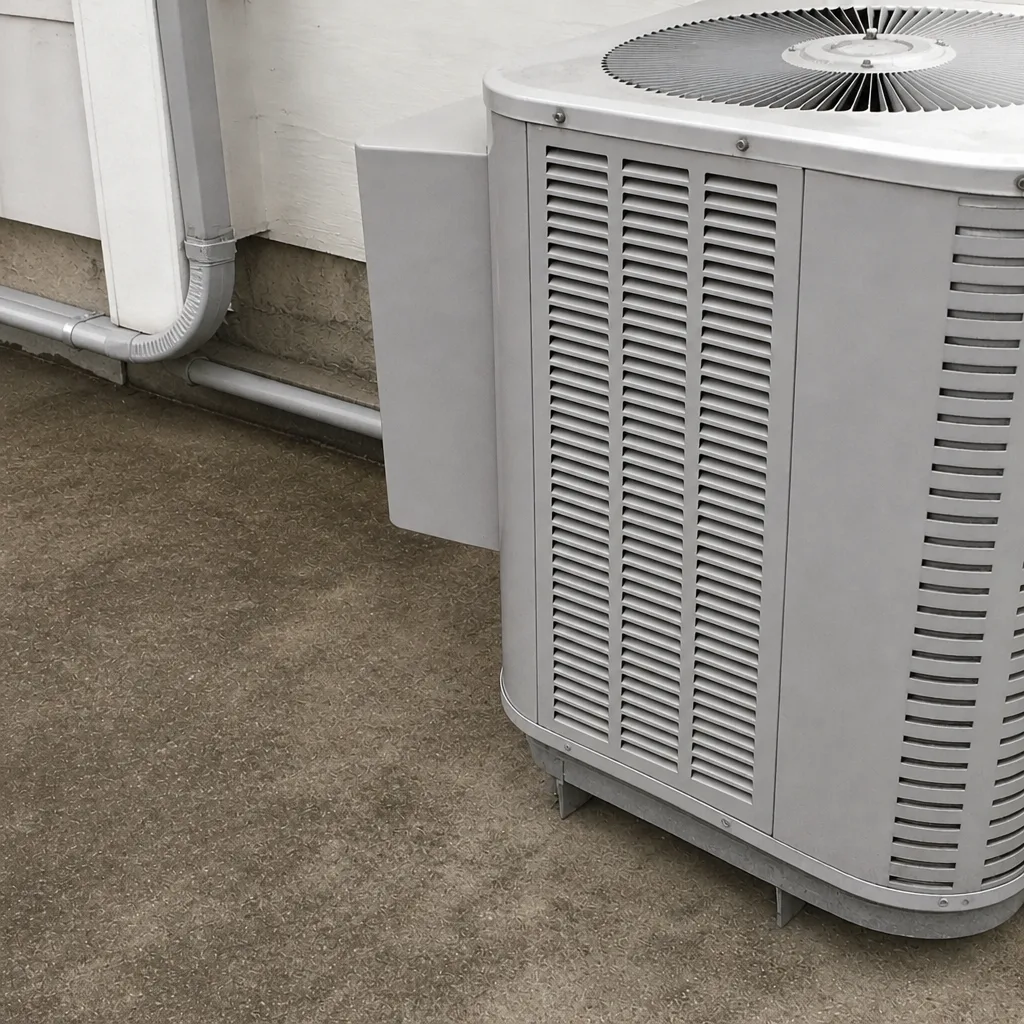
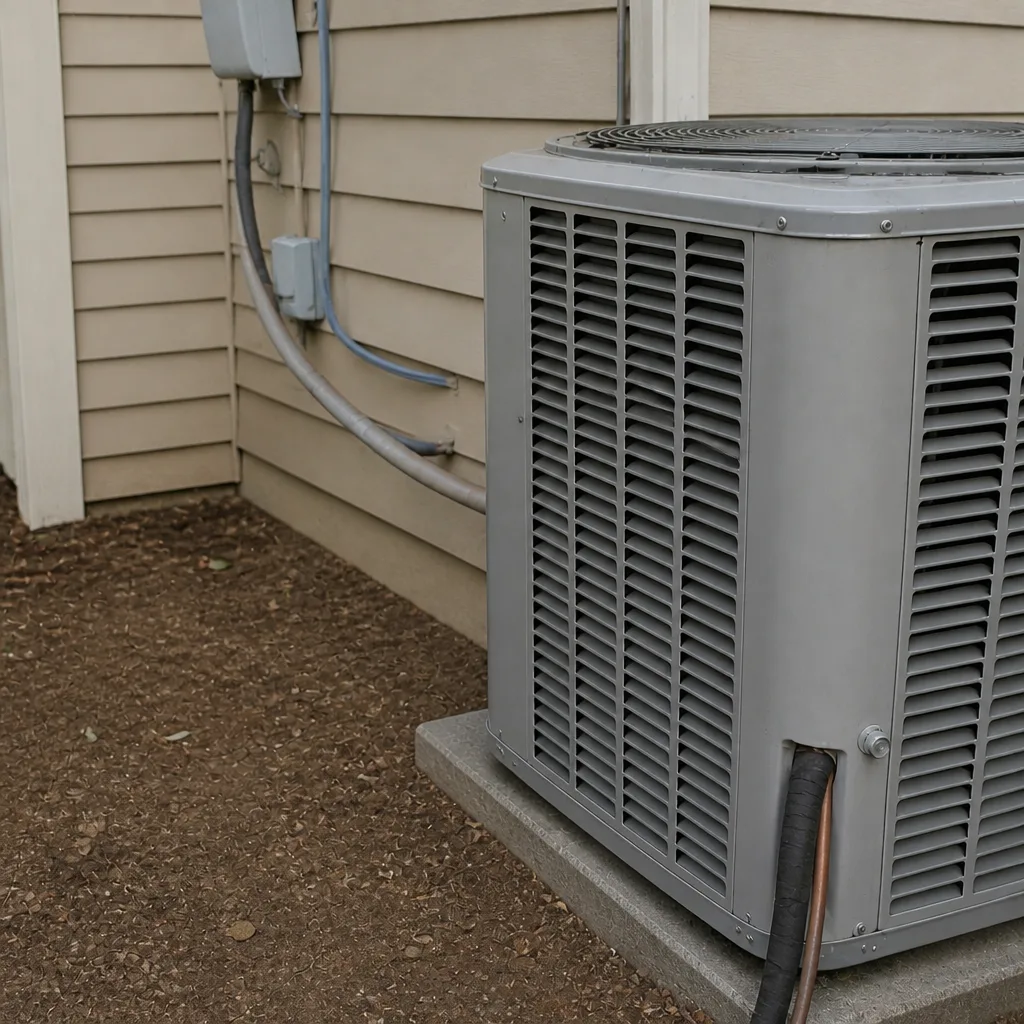
- Clear the outdoor condenser. Trim vegetation back a couple of feet, hose off the fins from the inside out when the unit is off, and remove leaves and debris from the top. Garland yards drop plenty of both, and a choked condenser runs hot and inefficient.
- Keep the condensate drain flowing. Pour a cup of vinegar down the drain line access a few times a year. This is the simplest defense against the most common summer call we get.
- Replace thermostat batteries and set a schedule. A thermostat that loses power resets to default, and default settings during a Garland heat wave are not your friend.
- Check and replace a tripped breaker once. If the outdoor unit breaker trips, resetting it once is reasonable. If it trips again, stop and call. Something is drawing too much current and the breaker is doing its job.
- Keep the area around the indoor air handler clear. Stored boxes against the unit restrict airflow and make service visits harder than they need to be.
None of these require tools beyond a screwdriver and a garden hose. None of them void a warranty. None of them require certification. They’re the maintenance backbone of any system, whether it’s a Carrier or a Trane or anything else, and every manufacturer expects the homeowner to handle them.
DIY With Risk: What You’re Accepting
This is the category that isn’t discussed enough. These tasks are within reach of a careful homeowner, but the consequences of getting them partially right are real, and “partially right” is the most common outcome.
Washing the outdoor coil yourself. Safe if you use a garden hose and the right cleaner. Risky if you use a pressure washer, because the fins bend and stay bent, and airflow drops permanently. If you’re going to do this, use a coil cleaner designed for the purpose and rinse gently.
Replacing a thermostat. A like-for-like swap is manageable. Going from a basic thermostat to a smart one is where it gets tricky: wire labels, C-wire requirements, and control board compatibility. Miswiring can blow a low-voltage fuse or, in worse cases, damage the control board. If you’re unsure of a single wire, stop.
Replacing a run capacitor. Physically simple, genuinely dangerous if done wrong. The capacitor holds a charge after power is off, and touching the terminals is a shock hazard. The bigger issue is diagnosis: a failed capacitor and a failing compressor can present identically from the outside, and swapping a capacitor into a system with a different problem can extend the strain on the compressor. This is the DIY task we see go wrong most often.
Adding refrigerant yourself. This is listed here because homeowners ask about it constantly, but legally and practically it belongs in the professional-only column. Handling refrigerant without a Section 608 certification violates federal rules. Skip it.
Doing a task in this category is a choice, and that’s fine. Just know what you’re choosing: specifically, the possibility that the visible problem isn’t the actual problem, and that the wrong fix can make the next repair bigger.
Professional-Only: Why Each Task Falls There
The education level for some HVAC work is real, but it’s not the reason these tasks are professional-only. The reason is that the work either carries legal restriction, immediate physical danger, or diagnosis that isn’t possible without understanding system behavior over time.
- Refrigerant handling. Federal EPA Section 608 certification is required to purchase, handle, or recover refrigerant. This is a legal boundary, not a skill gate. There is no version of this task a homeowner can do legally.
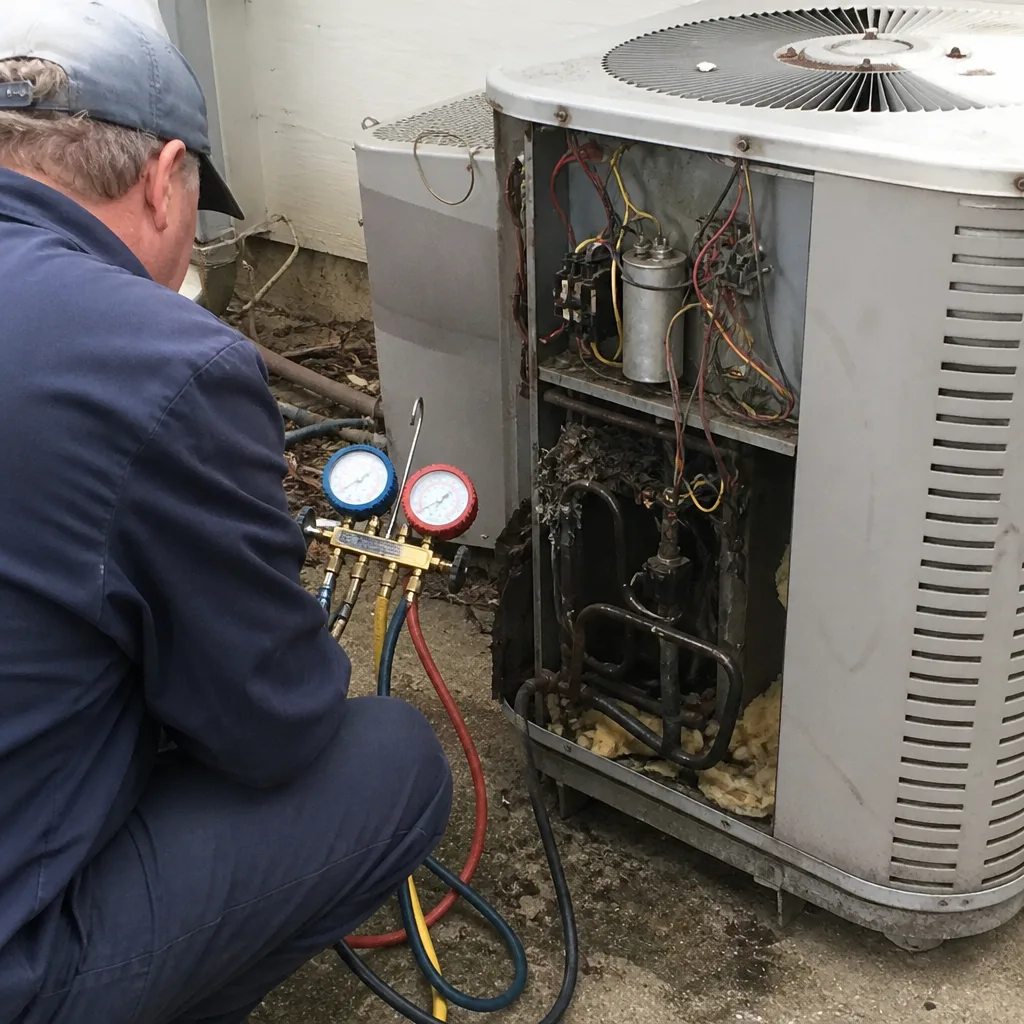
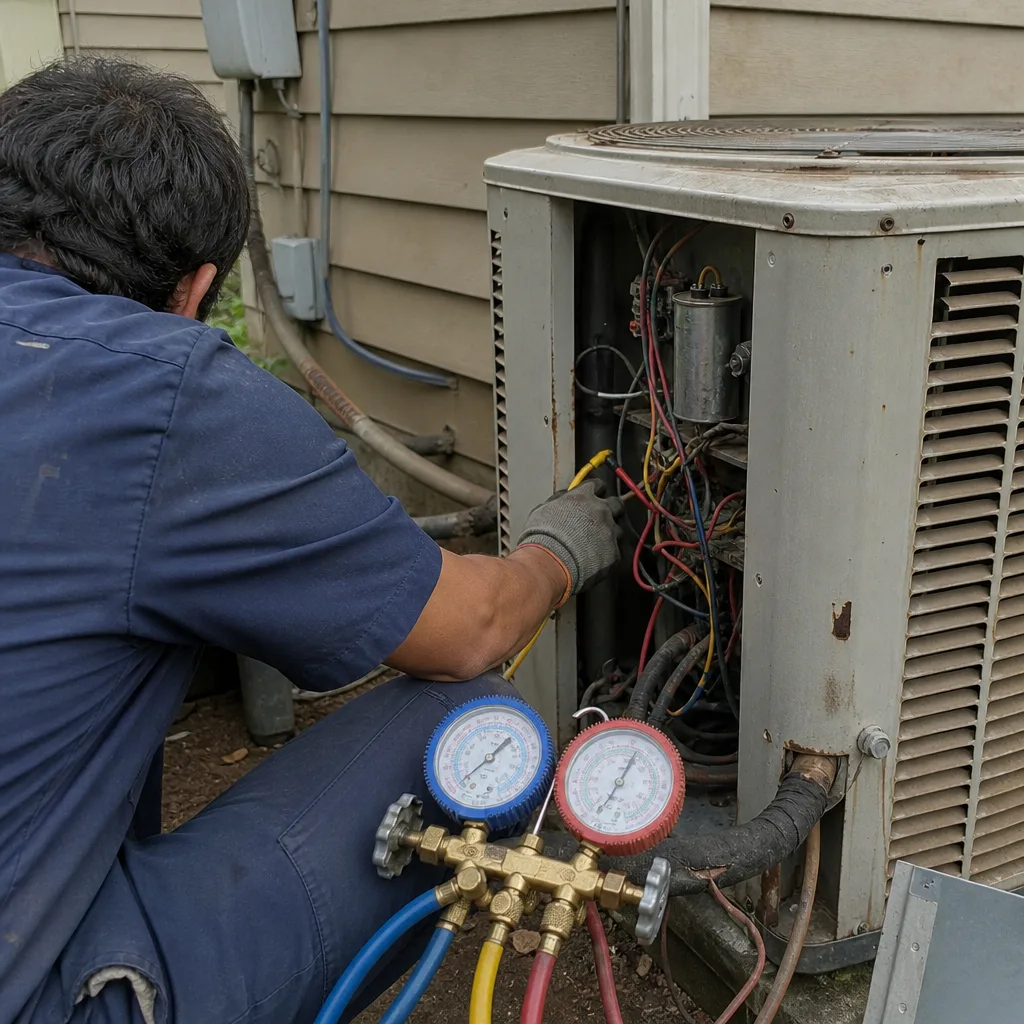
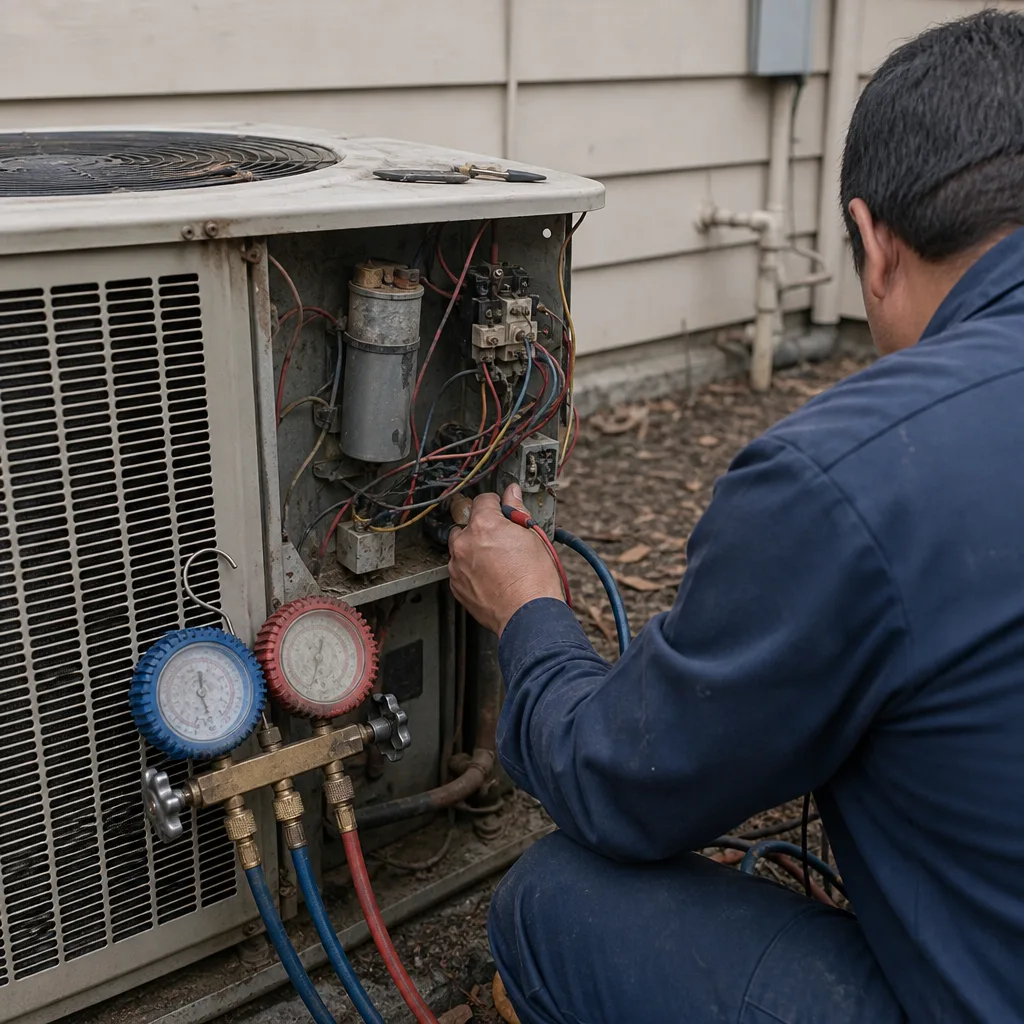
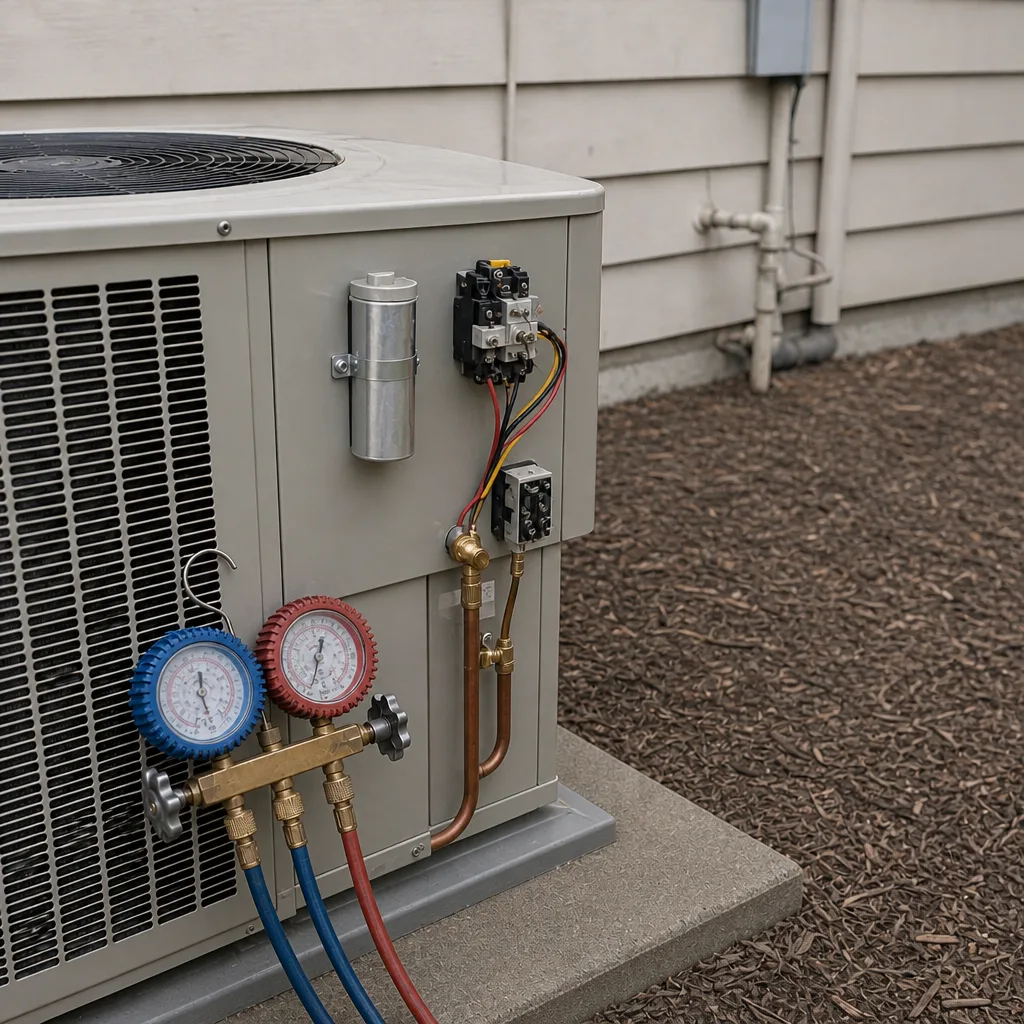
- Sealed-system diagnosis. The refrigerant circuit is sealed. Reading pressures, superheat, and subcooling tells you whether the system has a charge problem, a restriction, or a failing component. Without gauges and the training to interpret them, you’re guessing.
- Electrical components inside the air handler or condenser. Contactors, control boards, blower motors, and compressor wiring carry line voltage. A mistake here is a fire risk or worse.
- Gas furnace work. Gas lines, igniters, flame sensors, and heat exchangers are safety-critical. Carbon monoxide is a real risk from a botched repair, and heat exchanger inspection requires looking for cracks that aren’t visible in a casual walkthrough.
- Compressor and motor replacement. This is a system-level repair that requires proper recovery, evacuation, and recharge. The tools alone cost more than the repair.
- Ductwork work. Duct sizing and static pressure are engineering problems. A “quick” duct tweak usually makes airflow worse, not better.
In our experience, the professionals who get called after a homeowner attempt in this category spend more time diagnosing what went wrong than they would have spent doing the job correctly the first time.
Texas Law: What You Can and Can’t Legally Do
Texas regulates HVAC work through licensing under the Texas Department of Licensing and Regulation, using the TACLB license designation for air conditioning and refrigeration contractors. The legal line is fairly clear: a homeowner can perform maintenance on their own equipment, but work requiring a permit or work involving refrigerant belongs to a licensed contractor.
What this means in practical terms for a Garland homeowner:
- You can change filters, clean coils, maintain drains, replace thermostats, and perform general upkeep on your own equipment.
- You can replace components like a thermostat or a capacitor on your own system if you’re comfortable with the electrical safety involved.
- You cannot handle refrigerant without Section 608 certification. This is a federal requirement and applies everywhere.
- You should not perform work that requires an electrical or mechanical permit without pulling the permit. Most cities require a permit for major system replacement, so ask the City of Garland’s building department what your specific job requires before you start.
- A contractor you hire should be able to show a current TACLB license. We recommend asking for it every time, regardless of who you call.
One more thing worth knowing: if a licensed professional does work on your system and something goes wrong, your recourse runs through their license and their insurance. If you did the work yourself, it runs through you. That’s not a scare tactic. It’s the actual reason licensing exists, and it’s why we recommend knowing precisely where the line sits before you pick up a wrench.
Warranty Rules by Brand
Every major manufacturer has language in their warranty terms about owner-performed work. The pattern is consistent across brands, but the details matter, and they’re the reason we tell homeowners to read their specific warranty paperwork before attempting anything beyond the safe DIY tier.
What almost never voids a warranty: filter changes, outdoor unit cleaning, drain maintenance, and thermostat battery replacement. These are considered consumer maintenance and every manufacturer expects them.
What can void a warranty: refrigerant handling by an uncertified person, electrical work that causes component failure, and any work that a manufacturer determines contributed to the failure. Carrier, Trane, Lennox, and American Standard all include language along these lines. The manufacturer doesn’t typically void the policy for the act of doing the work. They void it when the work causes the failure they’re being asked to cover.
The registration detail: most manufacturers require the equipment to be registered within a defined window after installation to receive the full warranty term. That’s a paperwork step, not a repair step, and it’s usually a five-minute task online. It’s also the one thing homeowners forget most often. If you bought a home with a newer system, check whether the equipment is registered in your name.
For Sunstone, the practical advice is straightforward. Do the safe tier yourself. For anything else, the labor a professional charges is usually less than the warranty problem a DIY mistake can create.
The Hidden Cost of DIY Mistakes
The visible cost of a DIY mistake is the part that’s discussed. The cascading cost is the part that isn’t. Here’s how it typically plays out in a Garland home.
A misdiagnosed capacitor swap. A homeowner hears the outdoor unit humming but not starting. The capacitor looks bad, so they replace it. The unit still doesn’t start, because the real problem was a failing compressor or a stuck contactor. Meanwhile, the new capacitor has been installed in a circuit drawing more current than it should, and it fails too. By the time a technician arrives, there are two problems instead of one, and the original repair cost has grown because the diagnostic window has widened.
Incorrect thermostat wiring. A single misidentified wire can blow the low-voltage fuse on the control board. That’s the good outcome, because the fuse is cheap. The bad outcome is a damaged control board, which is a real component replacement. Smart thermostat installs are where we see this most often, and it’s usually because the existing system used an unusual wire configuration.
A refrigerant top-off without leak detection. The system runs low, someone adds refrigerant without finding the leak, and the system runs low again in a few weeks. A small leak that could have been found and repaired becomes a chronic problem, and repeated top-offs put more strain on the compressor each time. The eventual repair is the repair that should have happened first.
A fire hazard masquerading as a cheap fix. Frayed wiring to a motor, tightened without proper connectors, is a fire risk. This is why electrical work inside the air handler belongs in the professional column.
The pattern holds: the DIY mistake itself is often cheap. The system it damages is not.
Tools That Help vs. Tools That Give False Confidence
Some tools make homeowner maintenance genuinely effective. Others give you a sense of control you don’t actually have. The difference is whether the tool helps you do a task or helps you feel like you’re doing a task.
Tools that actually help:
- Quality MERV 8 to MERV 11 filters. The right filter for your system’s return grille is the best money a homeowner can spend. Going too high in MERV rating in a system not designed for it restricts airflow, so match the rating to the system’s specification.
- Condensate tablets or a bottle of vinegar. Simple, low-cost, prevents the most common summer problem in Garland.
- A garden hose and proper coil cleaner. The difference between a clean coil and a fouled one is measurable at the utility bill.
- A voltage tester. If you’re going to touch a thermostat or a capacitor, a non-contact voltage tester tells you whether power is present. It’s the one safety tool we recommend for anyone doing the middle tier of DIY work.
- A good flashlight. Undersold, endlessly useful.
Tools that give false confidence:
- Cheap refrigerant gauges. Inexpensive gauges often read inaccurately, and homeowner-level use without certification is a legal problem regardless. A pressure reading without training to interpret it is worse than no reading.
- Vacuum pumps and recovery equipment. Buying these to “do it yourself” makes the total cost higher than a licensed professional doing the job correctly.
- Pressure washers on coils. They bend fins. They don’t clean better than a garden hose and proper cleaner.
- Multi-meters used without training. A multimeter tells you what it reads. It doesn’t tell you what the reading means.
If you’re going to build out a small homeowner toolkit, spend the money on filters and a voltage tester. Skip the gauge set entirely.
Common Mistakes to Avoid
- Treating all HVAC tasks as one category. The most expensive HVAC mistake on this list is the assumption that if filter changes are safe, everything is safe. It’s not, and the gap between the two is where the risk lives.
- Skipping the filter in a Garland spring. Pollen season in North Texas pushes filter loading faster than most of the year. A filter that would last 90 days in a cooler month is choked in 30 during a heavy pollen stretch, and restricted airflow strains the system all summer.
- Blocking the outdoor condenser with landscaping. Garland yards fill in fast. A unit that was clear last year can be crowded this year, and airflow is one of the few things you can control without any tools across every brand we work with, from Lennox to American Standard.
- Ignoring a slow drain drip. A condensate line that’s starting to clog drips slowly, then stops, then overflows. Catch it with a vinegar flush before it reaches your ceiling.
- Assuming the warranty covers everything. Manufacturer warranties cover the equipment. They don’t cover the install if it wasn’t done correctly, and they don’t cover labor unless separately covered. Read the paperwork before you need it.
- Adding refrigerant without finding the leak. Top-offs hide the actual problem. A system that needs refrigerant is a system that has a leak, and the leak is the repair.
- Choosing a contractor based on the quote alone. A quote is a starting point. The real question is whether the technician will diagnose the actual problem or reach for a replacement recommendation before doing the diagnostic work. Ask for a TACLB license number. Ask how they’ll diagnose. The answers tell you more than the number on the invoice.
When to Call a Professional
Call a professional when the symptom involves refrigerant, gas, electrical components inside the cabinet, or anything you can’t diagnose with certainty. Also call when a repair you’ve already attempted hasn’t solved the problem, because the second attempt needs to start with fresh diagnosis, not another guess. In our experience, the frustrating calls aren’t the emergency ones. They’re the ones where a homeowner has spent two weekends on a task that needed forty minutes of proper diagnosis.
For homeowners who want to know their system is running correctly before summer peaks, a proper season check is worth more than any tool you could buy. Sunstone AC Repair works on equipment from Carrier, Trane, Lennox, and other major brands, so a technician who arrives at your home has seen the failure points on your specific system many times before. If you need AC repair, Sunstone AC Repair offers free estimates in Garland. Call (866) 970-7959. We answer 24/7. Fast dispatch from 7am to 7pm, Sunday through Friday.
Frequently Asked Questions
No. Handling refrigerant requires EPA Section 608 certification under federal law, and there’s no exception for homeowners. This is a legal restriction, not just a trade standard, and getting caught handling refrigerant without certification can result in a fine. Refrigerant work also requires leak detection to be done correctly, which is why the task sits in the professional-only category. Call (866) 970-7959 if your system is low on refrigerant. We answer 24/7. Fast dispatch from 7am to 7pm, Sunday through Friday.
Not automatically. Replacing a thermostat is generally considered consumer maintenance and doesn’t void a warranty by itself. The complication is that miswiring a new thermostat can damage the control board, and a manufacturer may decline to cover a failure caused by incorrect installation. If you’re replacing a basic thermostat with a smart one, check the wire configuration against the new thermostat’s requirements before you start. When in doubt, the diagnostic call is cheaper than a control board.
Every 30 to 90 days, with the shorter end being the better guide for Garland homes with pets or heavy dust. Pollen season in North Texas accelerates filter loading, so a filter that’s fine in winter can be visibly grey in 30 days during spring. Check it once a month during cooling season and replace when you can’t see light through it. Call (866) 970-7959 if you’re not sure what MERV rating your system is designed for. Estimates are free.
A TACLB license is Texas’s air conditioning and refrigeration contractor license, issued through the Texas Department of Licensing and Regulation. A handyman generally isn’t licensed for HVAC work and can’t legally handle refrigerant or pull the permits that certain jobs require. If your job involves the sealed system, electrical work, or gas, the license matters. If it’s a filter or a drain, it doesn’t. Ask for a license number whenever you’re hiring for anything beyond routine maintenance.
Sometimes, but the categories matter. Filter changes, coil cleaning, and drain maintenance are genuinely cost-effective DIY tasks. Anything requiring a diagnostic process is where the math usually favors a professional, because a misdiagnosis can turn a small repair into a larger one. We’ve seen a capacitor swap on a system that needed a compressor diagnosis cost a homeowner significantly more than the original repair would have. The safe-DIY tier is worth your time. The professional-only tier isn’t worth the risk.
Equipment behavior varies enough that brand familiarity genuinely helps a technician diagnose faster. Controls, fault codes, and the way a system signals a problem differ across Carrier, Trane, Lennox, and American Standard, and a technician who has worked on that equipment recognizes the patterns. That’s an argument for professional service on diagnosis, not an argument against DIY maintenance. Filter changes and coil cleaning work the same across every brand. Call (866) 970-7959 for a free estimate on diagnosis. We answer 24/7. Fast dispatch from 7am to 7pm, Sunday through Friday.
The Bottom Line
The right question isn’t whether you can handle HVAC work yourself. It’s which category the task falls into. Filter changes, coil cleaning, and drain maintenance are safe, worthwhile, and genuinely save money. The middle tier of DIY work is a choice, and choosing it means accepting that the visible problem isn’t always the real one. The professional-only tier is where Texas law, safety, and warranty consequences all point the same direction. For a Garland homeowner, understanding that boundary is worth more than any tool on the shelf. When a task crosses the line, AC repair and diagnosis from a technician familiar with your specific system is the cheaper path in the long run.
If you have questions about AC installation, repair, or whether a job is safe to attempt on your own, call Sunstone AC Repair at (866) 970-7959 for a free estimate. We answer 24/7. Fast dispatch from 7am to 7pm, Sunday through Friday. Serving the Garland area since 2018.
Written by the team at Sunstone AC Repair, serving Garland since 2018.
See the difference
 Before
 After
 Before
 After
 Before
 After