
Last updated November 14, 2026
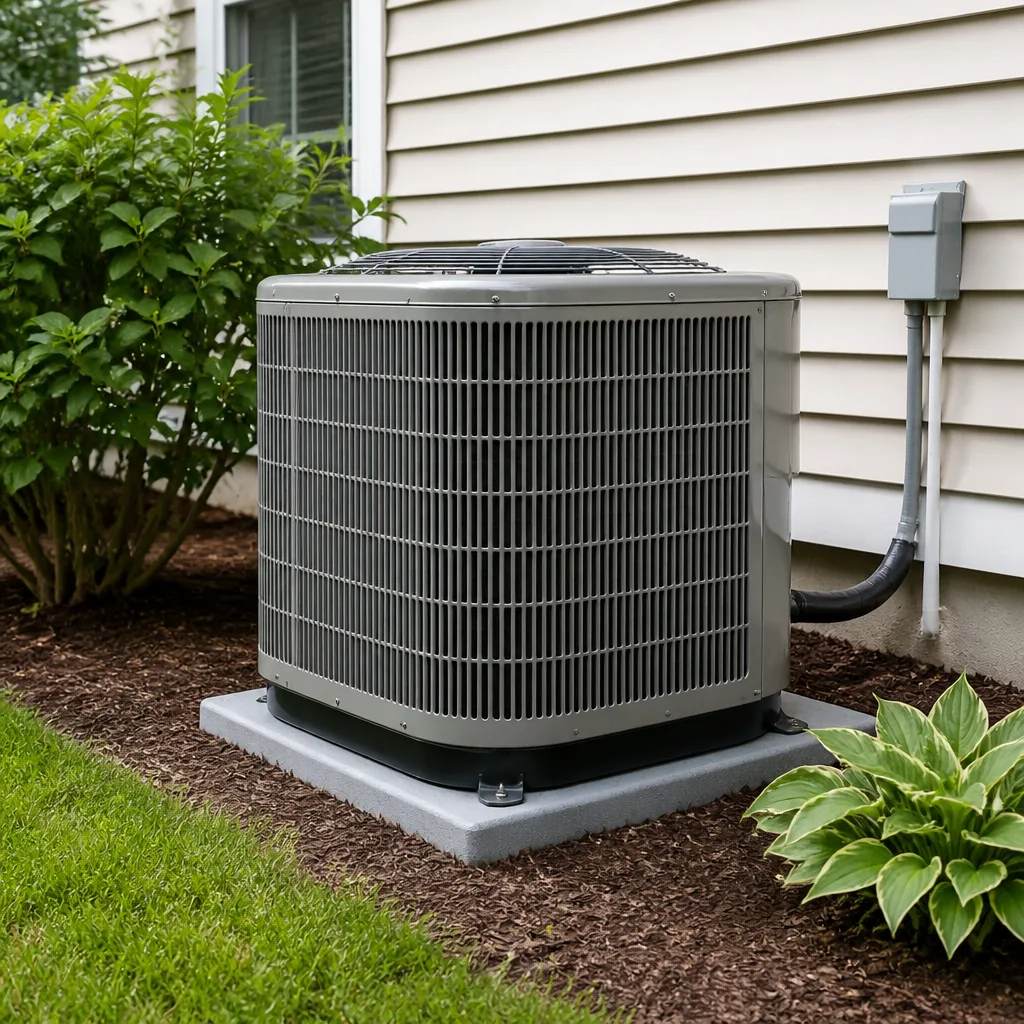 AC repair
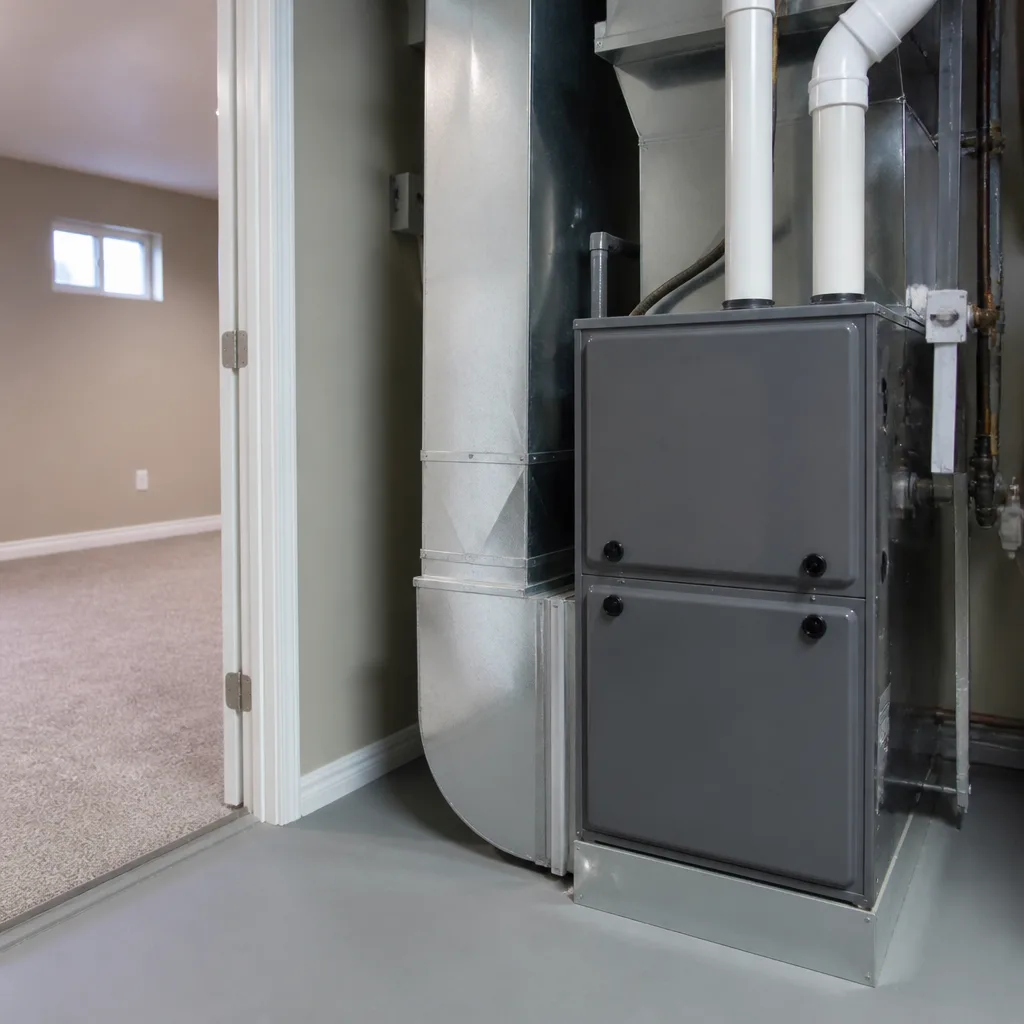 Furnace & heating
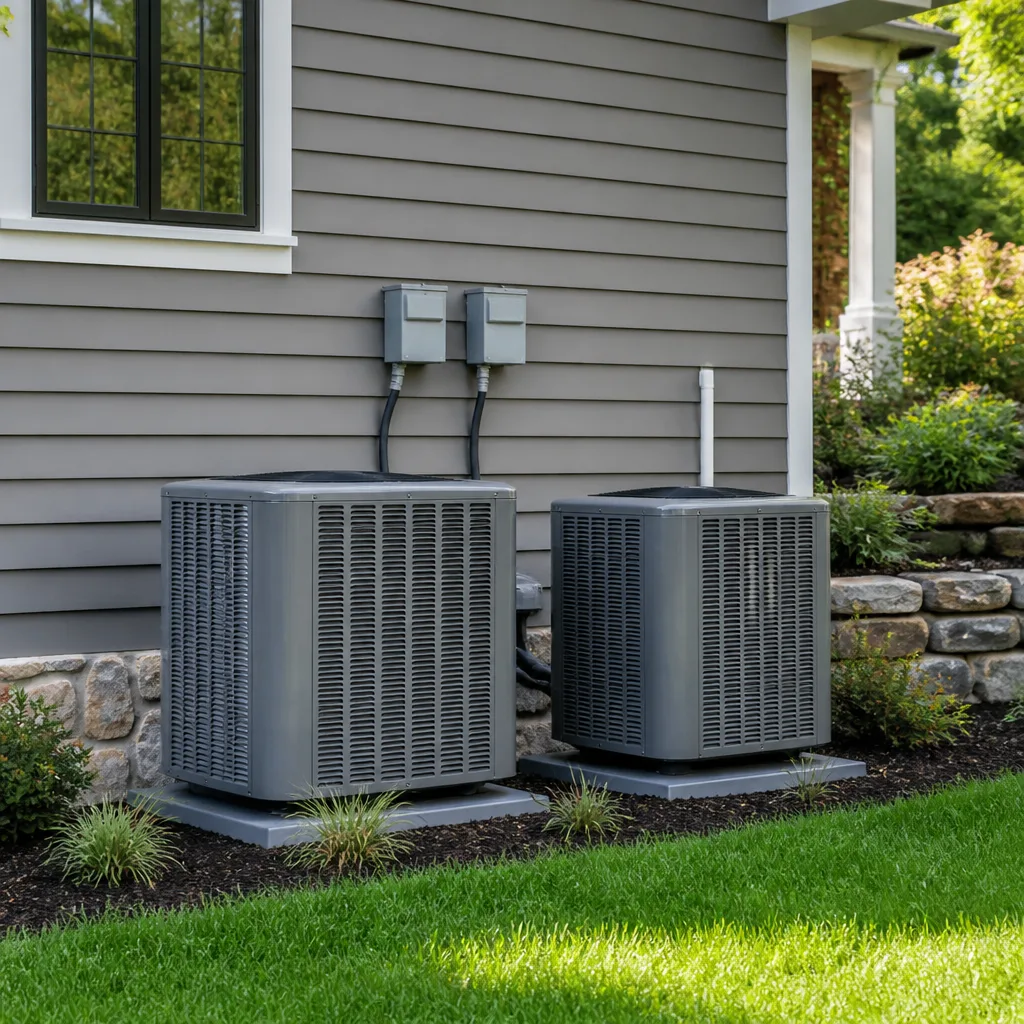 Heat pumps
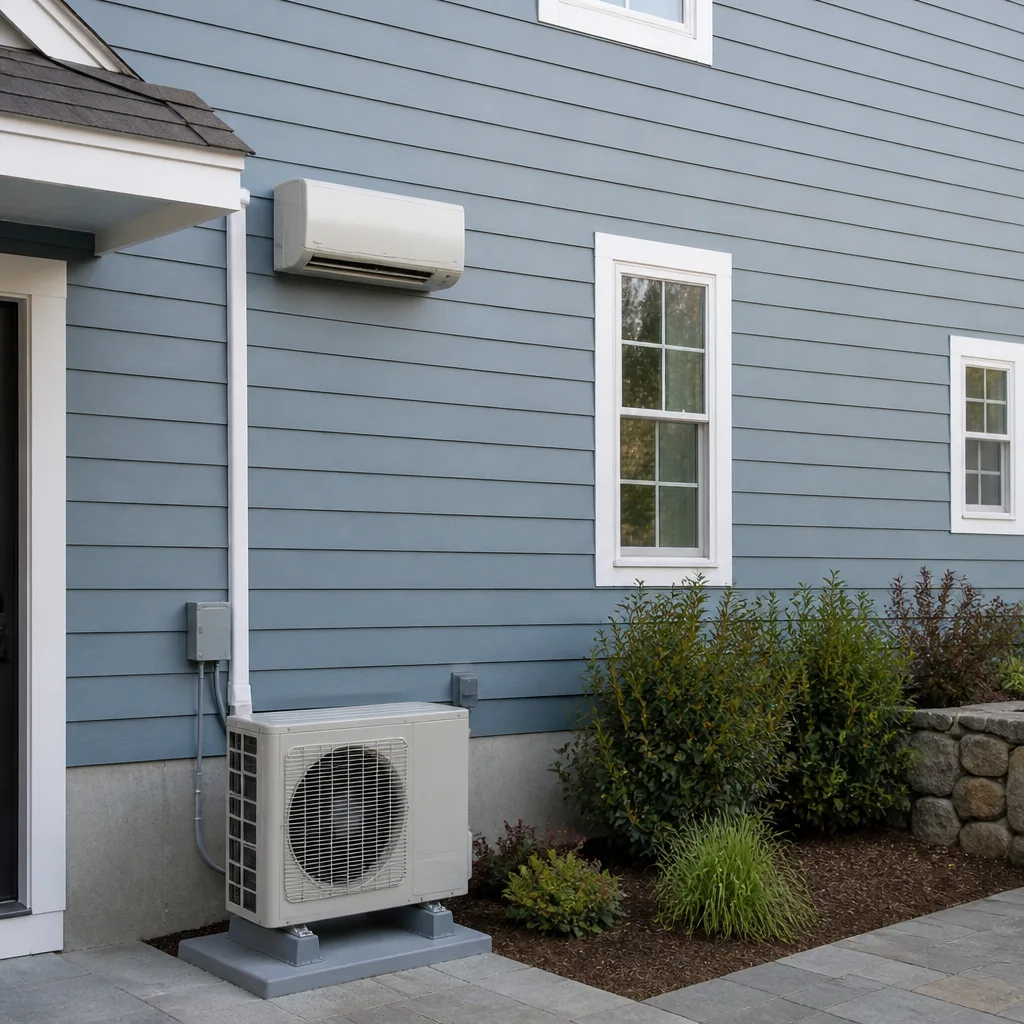 Ductless mini splits
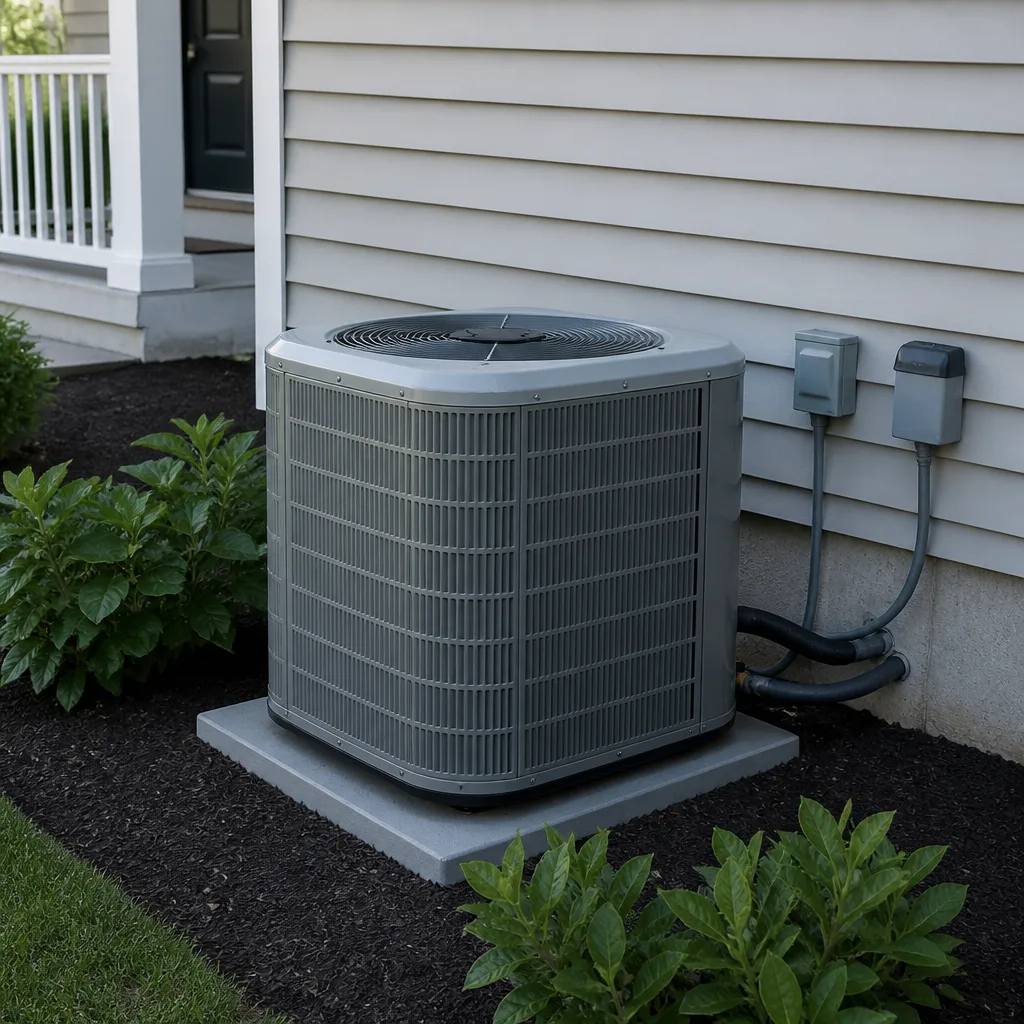 Carrier
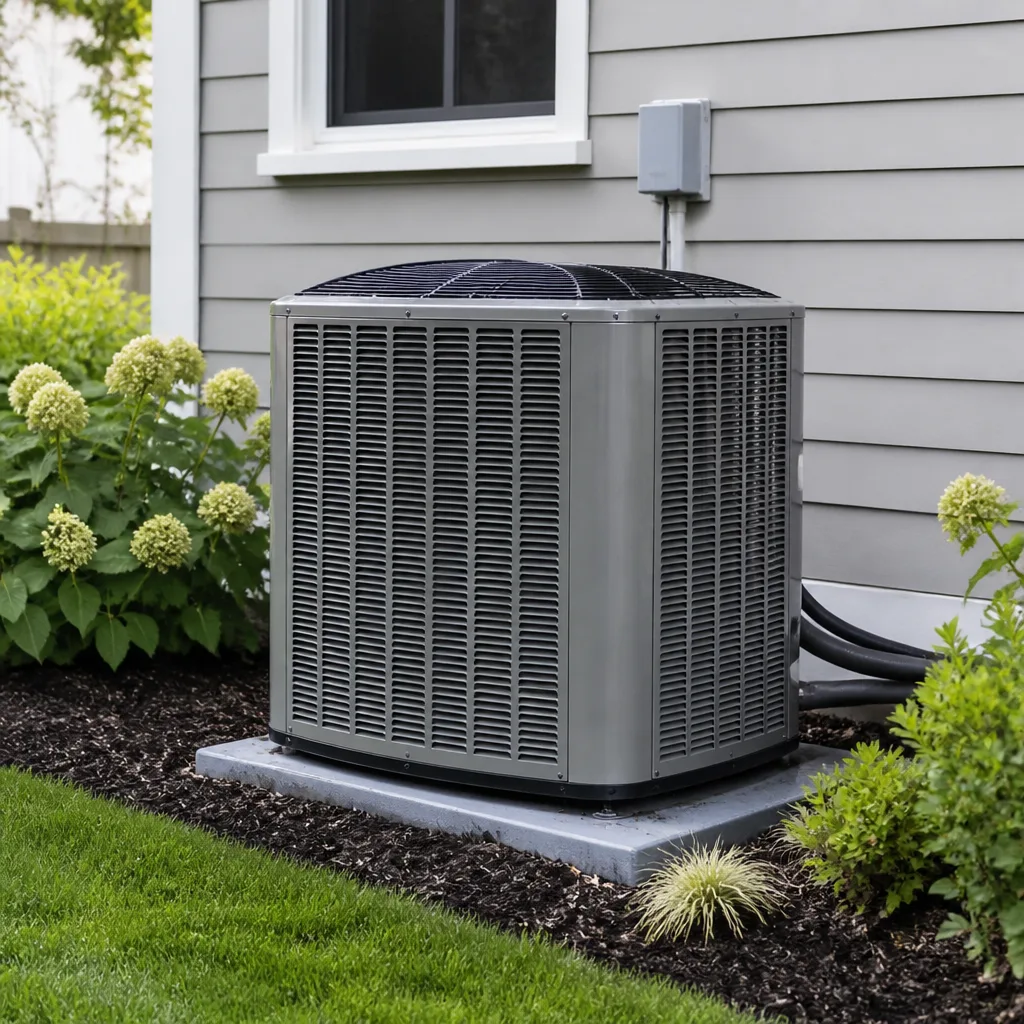 Trane
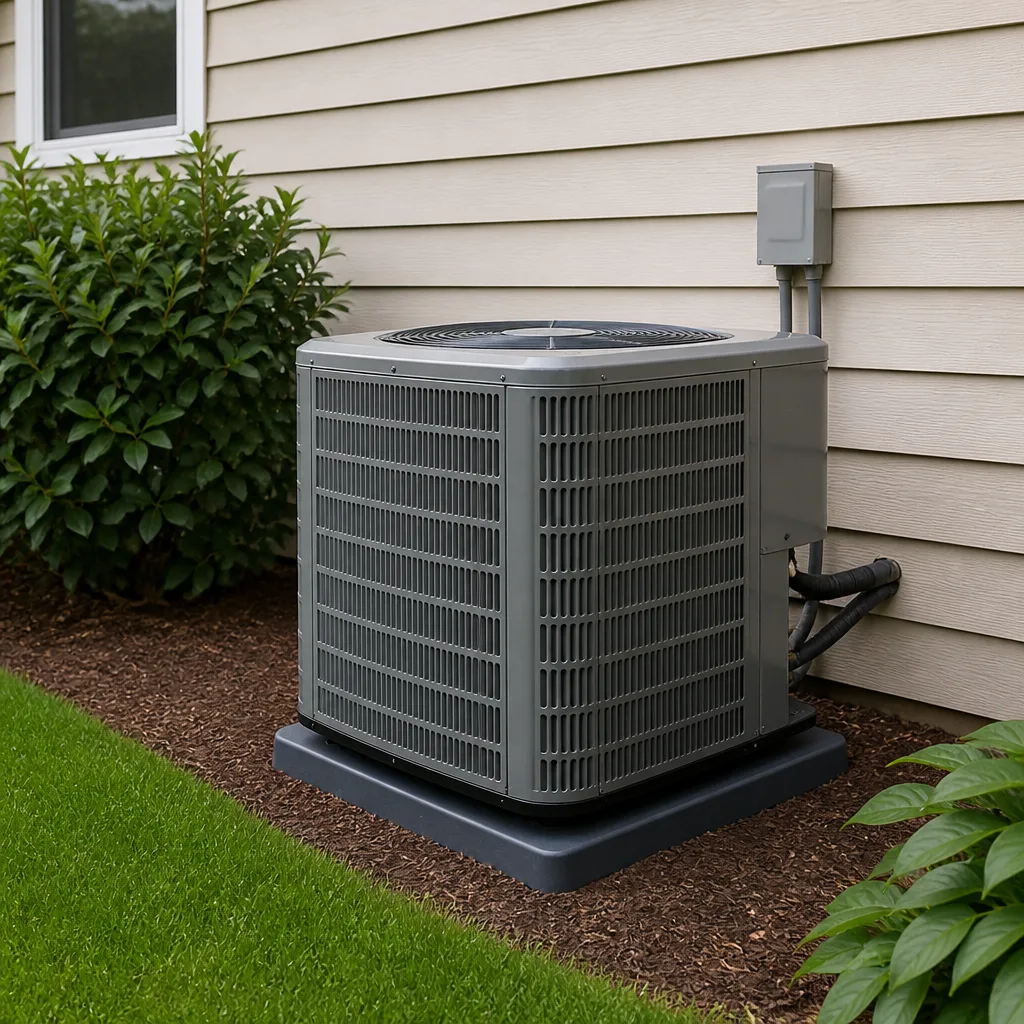 Goodman
Seasonal tune-up and full diagnostic on your Carrier, Trane, or Goodman system - readings shown to you before any repair is proposed
Diagnosis first, numbers second - you approve the repair price before a single part goes in.
Get your free estimateChoosing the Right HVAC Brand: A Buyer’s Guide for Garland
Three of the top-five most-installed residential HVAC brands in the DFW market share the same manufacturing parent. The “choice” between those brands is often closer to cosmetic than to a real performance or reliability distinction. The compressor line, the coil supplier, and the control board behind the badge can be identical. What actually decides how long a system lasts in Garland is the combination of the equipment and the contractor who installs and services it. This guide covers the ownership map behind the nine big residential brands, the two specs that genuinely matter in Garland’s heat, and how to pick brand and installer together.
Quick Answer
The best HVAC brand in Garland is whichever qualifying brand your chosen contractor is trained to install correctly and can service with stocked parts. A mid-tier brand installed to spec and serviced regularly will outlast a premium brand installed carelessly. Compare brand and contractor together, then weigh SEER2 efficiency, latent (humidity) capacity, compressor staging, and the warranty’s registration and transfer terms.
Styles & brands we work with
- AC repair
- Furnace & heating
- Heat pumps
- Ductless mini splits
- Carrier
- Trane
- Goodman
Table of Contents
- The Ownership Map Behind the Nine Major Brands
- The Two Specs That Matter Most in Garland
- Single-Stage, Two-Stage, and Variable-Speed Compressors
- Warranty Structure: Registration and Transfer
- Why Contractor Familiarity Is a Legitimate Selection Criterion
- How to Evaluate Brand and Contractor Together
- Brand Notes: Carrier, Trane, Lennox, and Goodman
- Repair or Replace: Matching Brand to Your Situation
The Ownership Map Behind the Nine Major Brands
Most homeowners shop HVAC brands as if they’re nine independent companies. In practice, they consolidate like any other manufacturing sector. Understanding who owns whom tells you which brands likely share compressor suppliers, coil manufacturers, and control boards – and which comparisons are meaningful.
At the top of the industry sits Carrier Global, which also owns Bryant. The two brands share engineering lineage and often draw on the same core components. That doesn’t make a Bryant and a Carrier identical model-for-model, but it does explain why an honest comparison between them often comes down to feature packaging, warranty language, and which brand your contractor knows intimately. Trane and American Standard sit under the same parent, Trane Technologies, and follow the same pattern: closely related platforms, different market positioning.
Lennox operates in its own family. Daikin owns Goodman, and it’s one of the largest air conditioning manufacturers in the world, which is why Goodman equipment has a strong parts supply chain. York belongs to Johnson Controls. Rheem sits under Paloma Rheem Holdings. So of the nine major residential brands, several are siblings.
What the ownership map actually means
- Shared components: Sibling brands frequently use the same compressor suppliers, coil designs, and control architecture.
- Reliability differences are often model-level, not brand-level. A builder-grade unit from any brand will behave differently from that brand’s premium line.
- Parts availability is a real differentiator. Brands with deep manufacturing footprints, like Goodman and Carrier, tend to have wider parts distribution, which shortens repair turnaround.
- Installation quality still dominates. Two identical Carrier units installed by two different companies will age differently based on commissioning, refrigerant charge, and airflow.
The takeaway isn’t that brands don’t matter. It’s that the brand question is smaller than most buyers think, and the installer question is larger. That’s the lens we use when we talk with Garland homeowners.
The Two Specs That Matter Most in Garland
Garland runs long cooling seasons with sustained heat and meaningful humidity. That dual load – sensible heat plus latent moisture – is where brand specs separate. Two numbers do most of the work: SEER2 efficiency and latent removal capacity.
SEER2 efficiency in sustained heat
SEER2 is the current efficiency standard, and it’s tested under a profile that better reflects real-world conditions than the older SEER number. In a market where the system runs many hours through the cooling season, a higher SEER2 rating translates to less energy used per hour of cooling. But there’s a catch: SEER2 ratings are tested at specific conditions. In sustained heat, indoor coil surface area, airflow, and refrigerant charge all push the real-world efficiency up or down from the lab number. A high-SEER2 unit installed with undersized ductwork delivers closer to a mid-tier unit’s performance.
Latent capacity: humidity removal
This is the spec buyers ignore, and it matters in Garland. Latent capacity is the equipment’s ability to pull moisture out of the air. A system that cools quickly but doesn’t dehumidify well leaves a house at 74 degrees that feels clammy. Brands differ here in how they design coils and how their controls manage fan speed. Variable-speed and two-stage systems generally handle latent load better because they run longer at lower output. Single-stage equipment can achieve the same result only if it’s properly sized – which is why sizing and brand selection are related decisions.
When you compare brands, compare the actual model’s published efficiency and the coil match, not just the badge on the outdoor unit. A good contractor will show you both numbers side by side.
Single-Stage, Two-Stage, and Variable-Speed Compressors
Compressor staging describes how a system modulates cooling output. It’s the most consequential equipment decision after sizing, and it’s where the most money is either well-spent or wasted in Garland homes.
- Single-stage: The compressor is either fully on or off. It’s the simplest, most affordable design and the easiest to repair. For a smaller Garland home with good insulation and a moderate budget, single-stage equipment does the job.
- Two-stage: The compressor operates at a low stage most of the time and shifts to high when demand spikes. In sustained summer heat, the low stage runs longer, pulling more humidity and cycling less. This is often the value sweet spot for mid-size Garland homes.
- Variable-speed: The compressor modulates across a wide range, matching output to load almost continuously. It’s the best at latent removal and the quietest, but it costs more upfront and its electronics require a technician who knows the control platform. For a large or older home with duct limitations, variable-speed can be worth the premium. For a small home with modest usage, the payback is slower.
Think about operating hours. Garland’s cooling season is long enough that a two-stage or variable-speed system will spend far more time in low-stage operation than a single-stage system would spend at full throttle. That’s where comfort and efficiency gains come from – not from the brand name alone.
Warranty Structure: Registration and Transfer
Warranty terms vary more between brands than most buyers expect, and they affect long-term value. The two structural features to examine are registration requirements and transferability.
- Registration-required parts warranties: Many brands offer a 10-year parts warranty, but only if the equipment is registered after installation. If registration is missed, the warranty often defaults to a shorter term – sometimes 5 years. This is a common miss when equipment is installed by a contractor who doesn’t handle the paperwork.
- Transferability: Some brands allow the parts warranty to transfer to a new homeowner when the home sells. Others don’t. If you plan to sell within the warranty period, transferability has real value.
- Labor is separate. Parts warranties almost never cover labor. That’s why the installing contractor’s own labor terms matter as much as the manufacturer’s warranty.
- Compressor coverage: Compressor warranties are often a separate clause from the general parts warranty. Ask your contractor to point out both.
Before signing off on any install, ask one question: “Will this unit’s warranty be registered, and does it transfer if I sell the house?” If the answer is vague, that’s your signal about how the contractor handles paperwork. It’s also a question we walk through with every Garland customer before we install anything.
Why Contractor Familiarity Is a Legitimate Selection Criterion
A technician who has trained on your brand and stocks its parts diagnoses faster and returns less often. That’s not a sales pitch – it’s a mechanical reality. Every equipment line has known failure points, specific control board behaviors, and specific diagnostic sequences. A tech who has seen those before zeros in on the problem. A tech encountering the platform for the first time guesses and orders parts by trial.
At Sunstone AC Repair, we’ve built our service around this. We’re trained and certified to service nine of the most-installed residential brands in North America: Carrier, Trane, Lennox, Goodman, Rheem, York, Daikin, Bryant, and American Standard. That means when we arrive at your home, we’re not learning your equipment on your dime. We already know the common faults on that model class.
This is also why we stay brand-agnostic. Because we’re not locked into pushing one manufacturer’s line, we can recommend repair when repair makes sense, and only talk about replacement when the math genuinely says so. For more on what our service covers, see Sunstone AC Repair.
It cuts the other way too. If you’re shopping a brand, ask the contractor how many systems of that brand they install a year and how they handle parts sourcing. The answer usually reveals how much they actually know that equipment line.
How to Evaluate Brand and Contractor Together
This is the part most guides skip. Here’s a practical sequence for comparing brand and contractor as a unit.
- Define your load. Get a load calculation, not a rule-of-thumb size estimate. Your system’s capacity should come from your home’s actual square footage, insulation, window exposure, and duct layout – not from what the last unit was.
- Shortlist two or three brands your contractor is trained on. Ask for the specific model numbers they recommend and why.
- Compare SEER2 and latent capacity on the actual model, not on the brand’s marketing brochure.
- Match compressor staging to your home size and usage. A smaller, well-sealed home may not benefit from variable-speed equipment.
- Ask about the warranty structure, including registration and transfer terms.
- Ask how they handle repair after the install. Same company, same familiarity, stocked parts? If not, ask who you’d call.
- Get the estimate in writing. The written estimate sets the final price.
If a contractor can’t walk through all seven, keep looking. Full-cycle coverage is why we handle both AC installation and repairs ourselves: the same company that installs your system is the one you’ll call in July.
Brand Notes: Carrier, Trane, Lennox, and Goodman
Four brands come up most in DFW conversations. Here’s an honest read on each, without marketing gloss.
Carrier
Carrier Global owns both Carrier and Bryant, so the two share engineering DNA. Carrier’s residential lines span from builder-grade up to high-efficiency variable-speed equipment. Parts distribution is strong, and your common service parts are usually available locally. The brand’s premium lines carry premium pricing, and the premium is worth it if you’re pairing it with variable-speed comfort goals. On a single-stage job, you’re paying for the name more than the platform difference.
Trane
Trane Technologies owns Trane and American Standard. Trane is often pitched as the “engineering” brand, and there’s some truth to it on the higher-end models – their compressor and coil construction is solid across the line. That said, Trane’s premium lines carry a price premium that will not translate into outperformance if the install is sloppy. On a properly commissioned install, the reliability record is good.
Lennox
Lennox operates independently, with no sibling in the nine-brand list, and its premium models emphasize efficiency ratings and quieter operation. Parts availability in Garland is good but not as deep as Carrier or Goodman for common wear items. If you’re spec’ing a Lennox, plan for what replacement parts might cost down the road. That’s not a knock – just a different parts ecosystem.
Goodman
Goodman is owned by Daikin, which is one of the largest HVAC manufacturers globally. That means real depth in parts supply. Goodman’s builder-grade reputation is often overstated; installation quality drives longevity far more than the badge. The value case for Goodman is strong when the installer is meticulous. When we service Goodman equipment, we typically find the parts we need without a long wait, which shortens repair downtime.
Repair or Replace: Matching Brand to Your Situation
A system that’s still under a transferable parts warranty is usually worth repairing. A system that’s out of warranty, out of R-410A refrigerant (or on the wrong side of the refrigerant transition), and on its second major failure is not. The brand matters here, but the math matters more.
- Repair: The unit is under 12 years old, has one failed component, and parts are available. Even a mid-tier brand can run another 5 to 8 years after a competent repair.
- Repair first, then plan: The unit is aging but not failing. Stocking parts matters most here – brands with deep distribution keep repair viable.
- Replace: The unit has had two or more major repairs in recent memory, the compressor is failing, or the cost of the next repair exceeds roughly 30% of a new system. (That 30% is a general trade rule of thumb, not a manufactured number.)
- Replace with staging in mind: If you’re replacing anyway, matching compressor staging to your home’s load is where the money goes further than a brand upgrade.
We repair the equipment you own. We don’t push replacement ahead of the math. If a repair gets you several more comfortable years, that’s the honest answer – and it’s the one you’ll get from us. For service visits, see AC repair.
Common Mistakes to Avoid
- Choosing the brand before the contractor. The contractor installing the equipment has more effect on its lifespan than the badge. Pick a technician who has trained on the platform, then let them help you pick the model.
- Buying the highest SEER2 without a load calculation. An over-sized high-efficiency system will short-cycle, dehumidify poorly, and deliver sub-par comfort in Garland’s humidity. Size first, then compare ratings.
- Ignoring latent capacity. If your house feels damp at 74 degrees, your equipment isn’t pulling enough moisture. That’s a spec problem, not a thermostat problem.
- Skipping the warranty registration question. A 10-year parts warranty that was never registered is usually a 5-year warranty. Ask before you pay.
- Assuming all brands are equally supported. They aren’t. Parts distribution depth affects how long a repair takes, especially on a Friday in July.
- Letting a salesperson talk you into variable-speed on a small home. It can be great equipment in the right house. In a small, well-sealed home, it’s often money you could have spent on better installation.
- Not asking who services it after install. If the installer doesn’t do repairs on that brand, you’ll be introducing a stranger to the platform during the first failure.
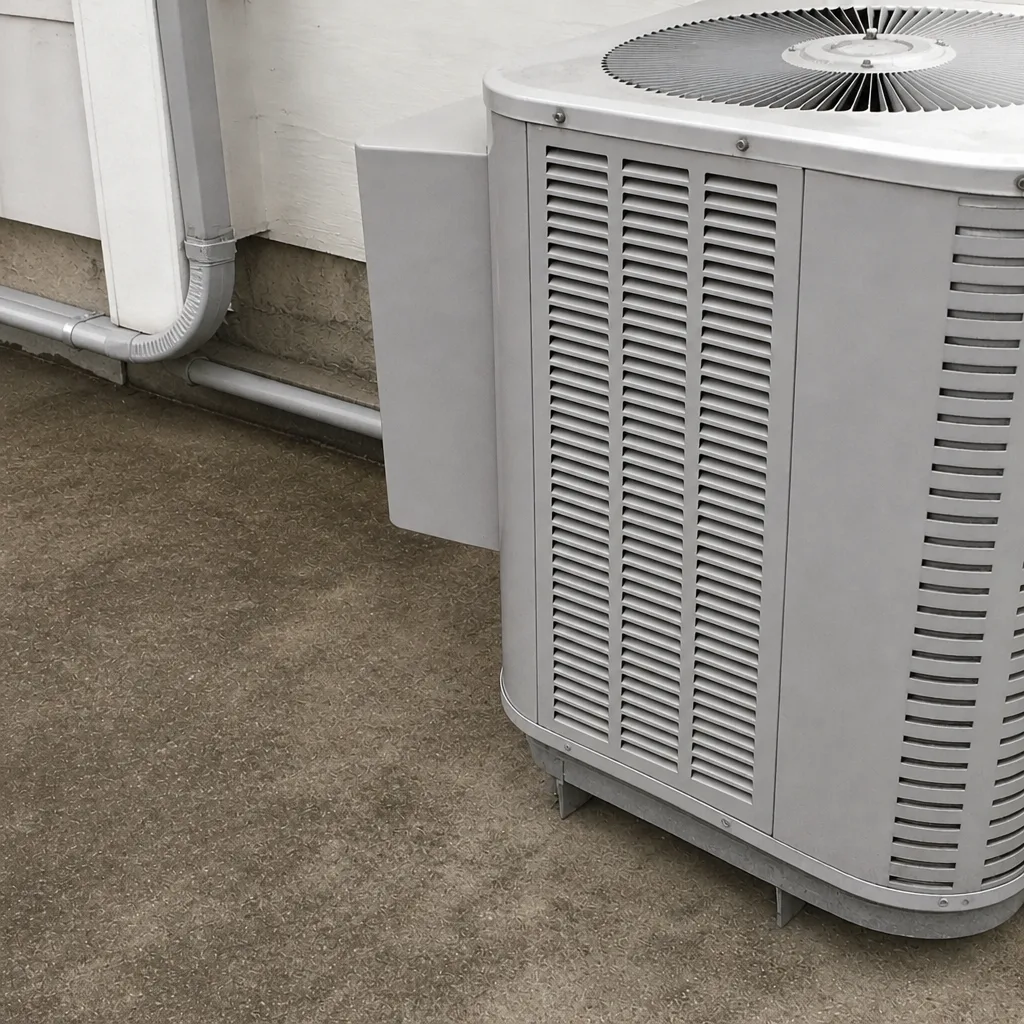
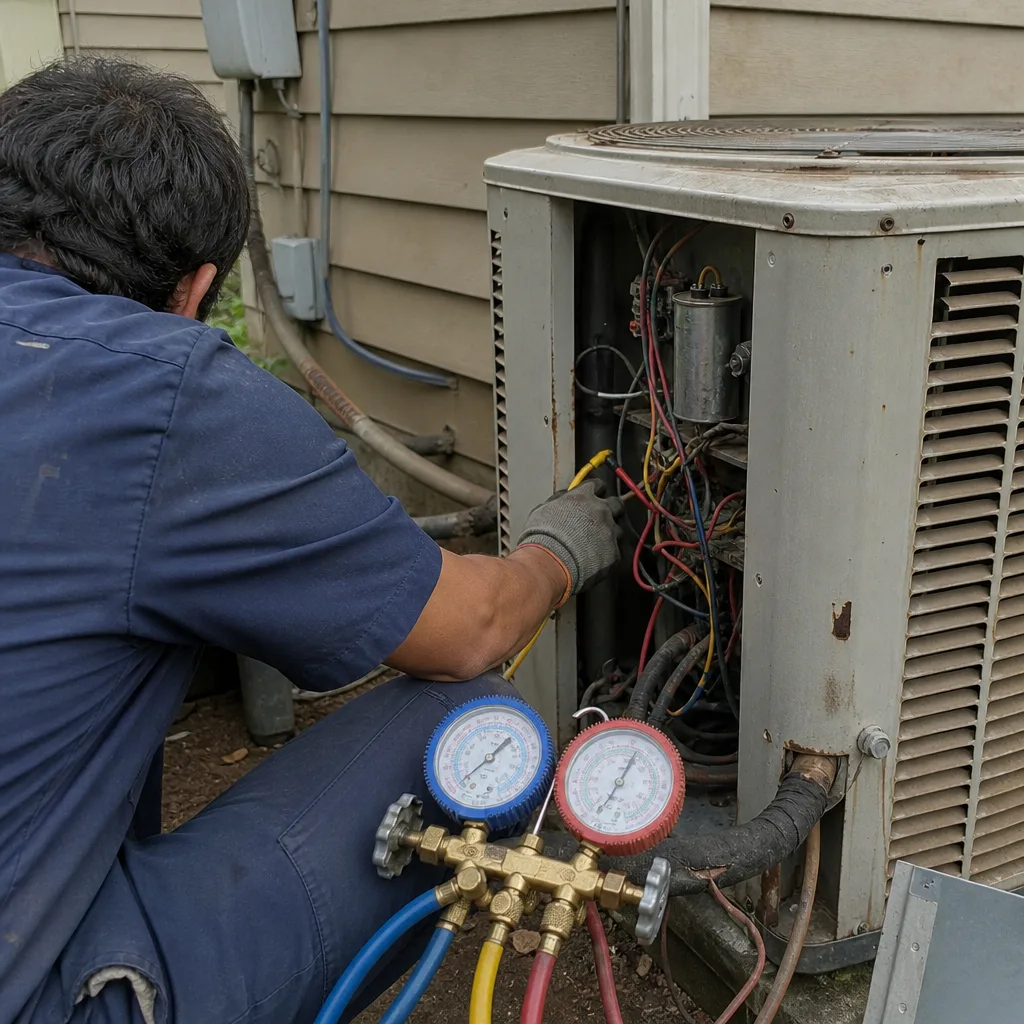
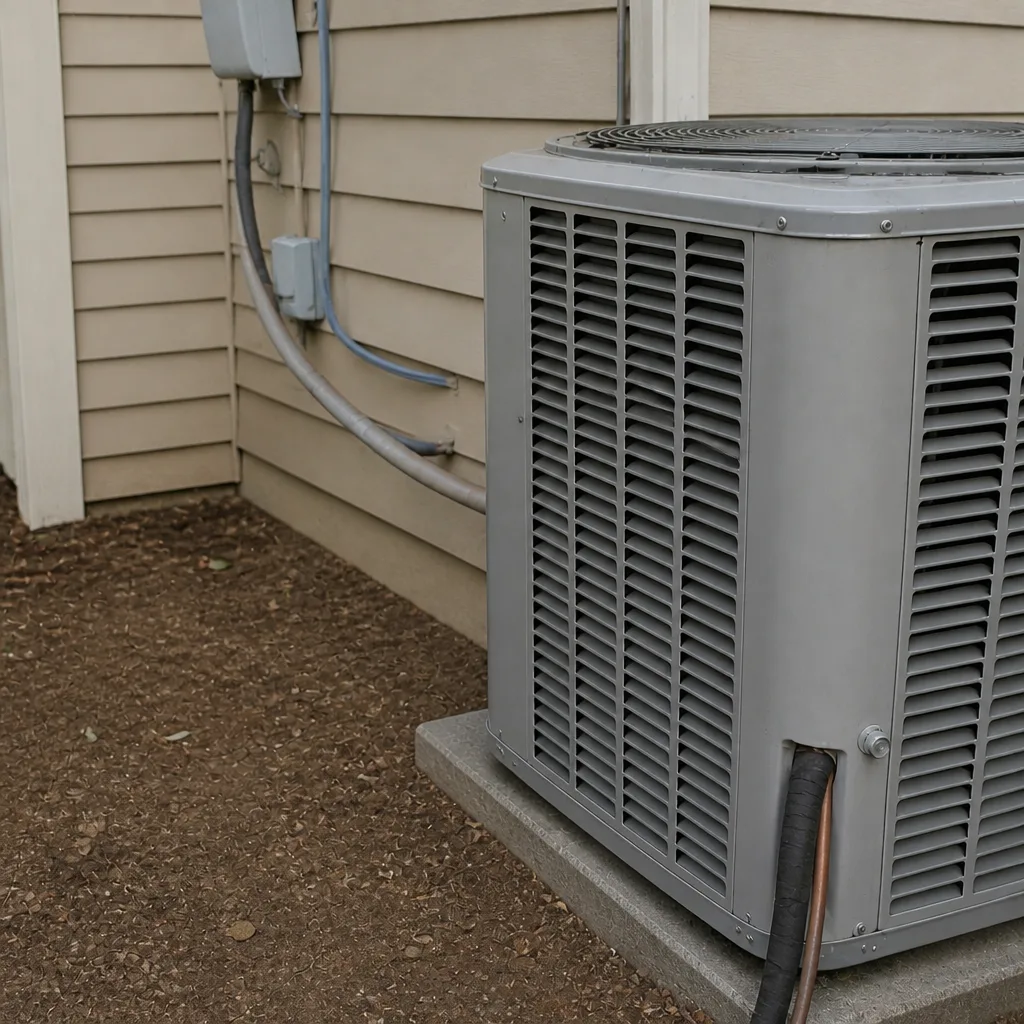
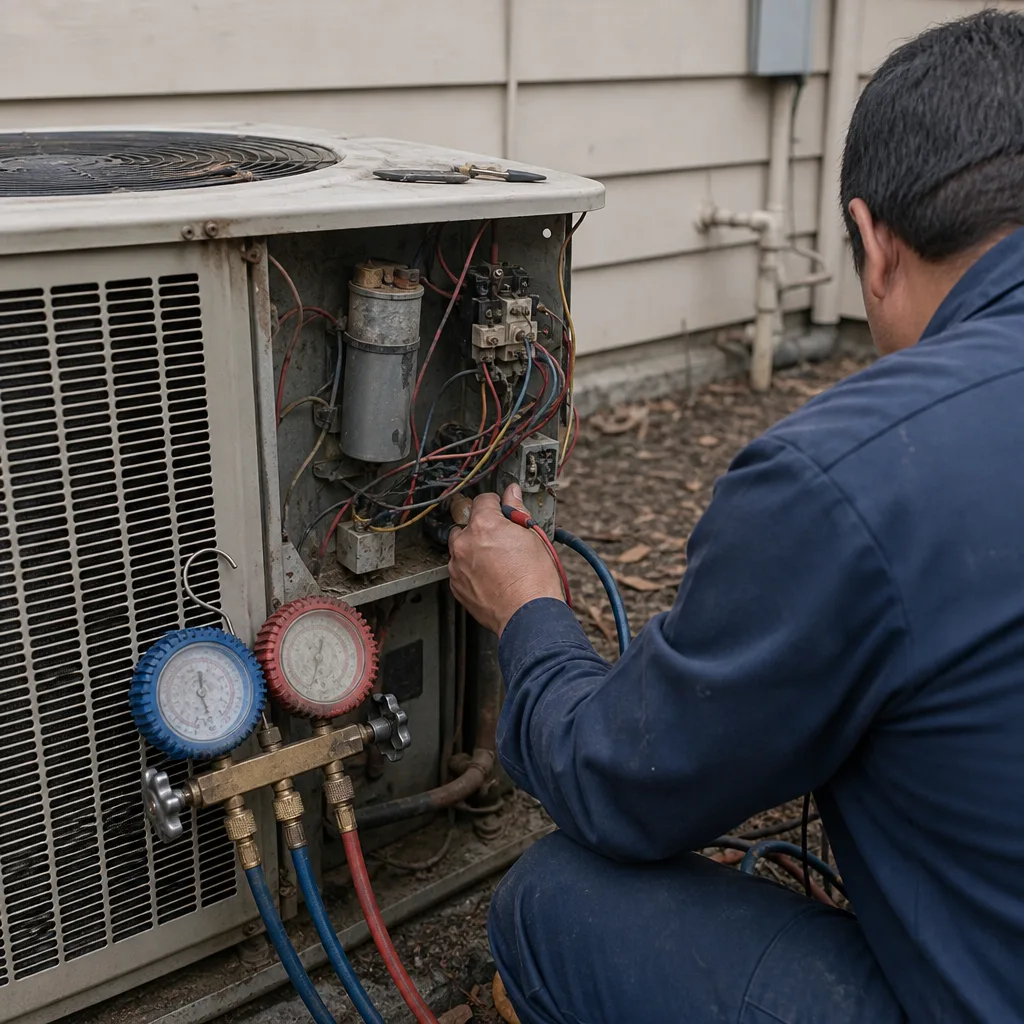
See the difference
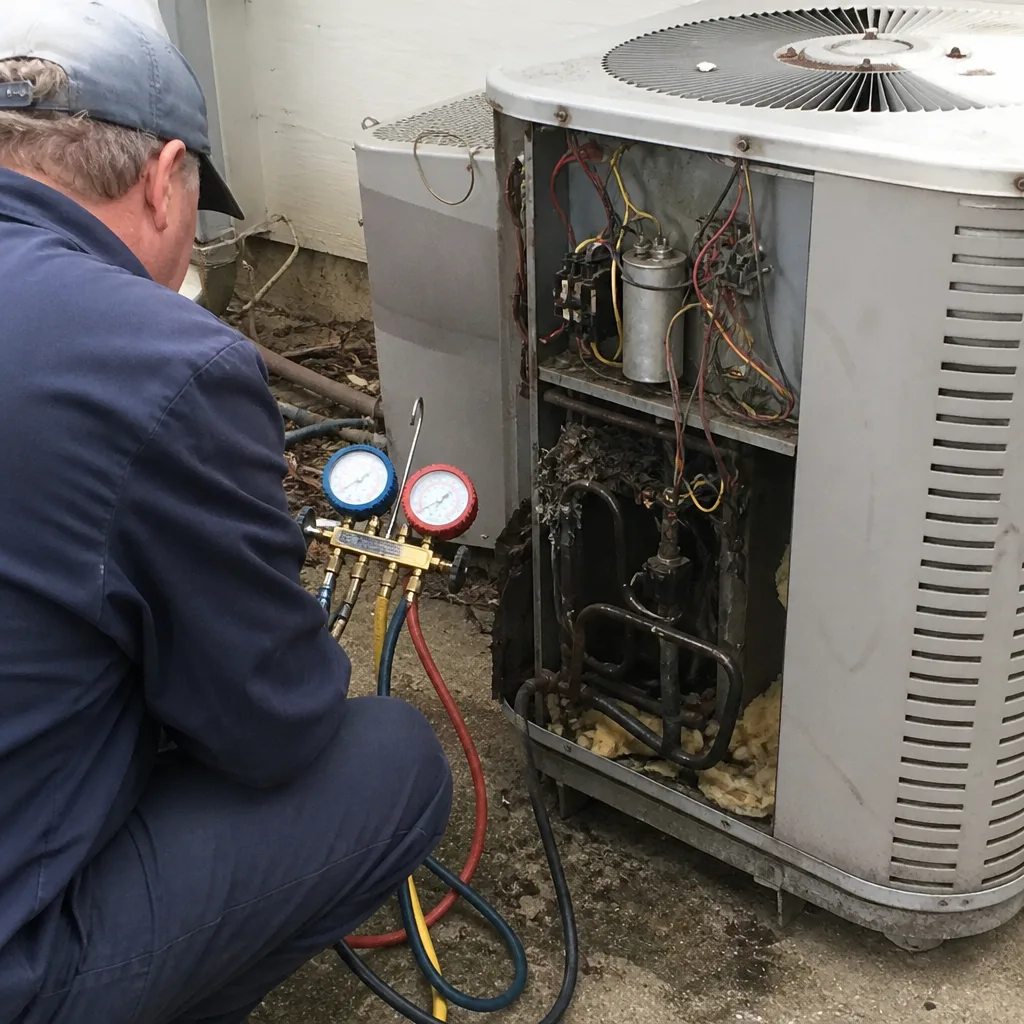 Before
 After
 Before
 After
 Before
 After
When to Call a Professional
Any of these situations warrants a call: the system runs but doesn’t cool; the unit runs but the house feels clammy; you’ve had the same repair twice in two seasons; your energy bills are climbing without a usage change; the outdoor unit is making a new noise; the indoor coil is icing over; the breaker trips when the system starts. Refrigerant work, compressor replacement, and electrical diagnosis are not homeowner tasks. We offer free estimates for system replacements and repairs in Garland – call (866) 970-7959. We answer 24/7. Fast dispatch from 7am to 7pm, Sunday through Friday. For a service area overview, see Garland.
Frequently Asked Questions
There is no single best brand – the best brand is the one your contractor is trained to install and service correctly. In Garland’s heat and humidity, the decisive factors are a proper load calculation, latent removal capacity, and a contractor who stocks parts for the model. Carrier, Trane, Lennox, and Goodman all perform well when installed to spec. Call (866) 970-7959 for a free estimate.
Both perform well in DFW heat, and the differences between their top models are smaller than marketing suggests. Carrier (and its sibling Bryant) and Trane (and its sibling American Standard) share engineering within their families. The better choice is the one with the correct capacity for your home and the contractor who commissions it properly. We can walk through both with you – estimates are free.
A well-installed mid-to-premium system in this climate typically lasts 12 to 18 years, with regular service. The brand matters less than commissioning, airflow, and whether the system is over-sized. Systems that short-cycle tend to fail earlier regardless of brand tier. Call (866) 970-7959 for an assessment of your current equipment.
Yes. Brands with deeper manufacturing footprints – Carrier, Goodman, and Daikin among them – tend to have broader parts distribution, which shortens repair turnaround. Lennox and some premium Trane parts may take longer. In our experience, this usually means a same-week repair instead of a same-day one, not a repair you can’t get. Call (866) 970-7959 to confirm parts for your model.
Not necessarily. If your current brand’s parts ecosystem is strong and your technician is trained on it, staying is reasonable. If parts have been slow or the warranty coverage was poor, switching brands is often fine as long as the contractor installs it correctly. The unit specs and installation quality outweigh the brand continuity. Call (866) 970-7959 for a free estimate.
It means we’re certified to diagnose and repair nine major residential brands and aren’t locked into selling one manufacturer’s line. Carrier, Trane, Lennox, Goodman, Rheem, York, Daikin, Bryant, and American Standard all get the same diagnosis process, and we recommend repair when repair makes sense. For details, see AC repair. Call (866) 970-7959 – estimates are free.
The Bottom Line
The brand your HVAC system carries matters, but less than the contractor who installs and services it. Compare brands by matching model-level SEER2 and latent capacity to your home’s load. Match compressor staging to your home size and usage. Read the warranty terms for registration and transfer. And above all, pick a contractor who is trained on the equipment line, stocks its parts, and services the whole system under one roof. For Garland homeowners, that means evaluating the label on the box alongside the person unbolting it. Sunstone AC Repair has served Garland since 2018, is trained on nine major residential brands, and handles both cooling and heating, so one call covers your whole system.
Call (866) 970-7959 for a free estimate. We answer 24/7. Fast dispatch from 7am to 7pm, Sunday through Friday.
Written by the team at Sunstone AC Repair, serving Garland since 2018.