
Last updated November 14, 2026
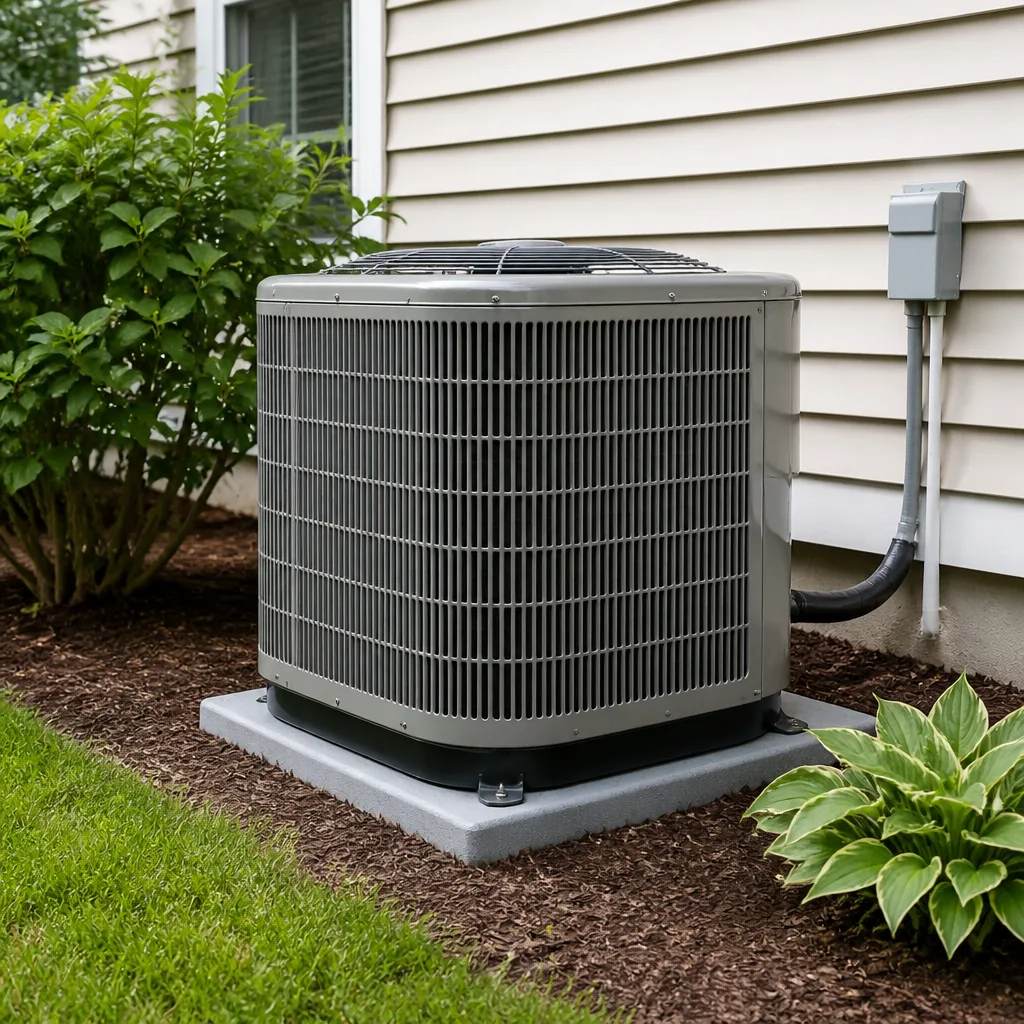 AC repair
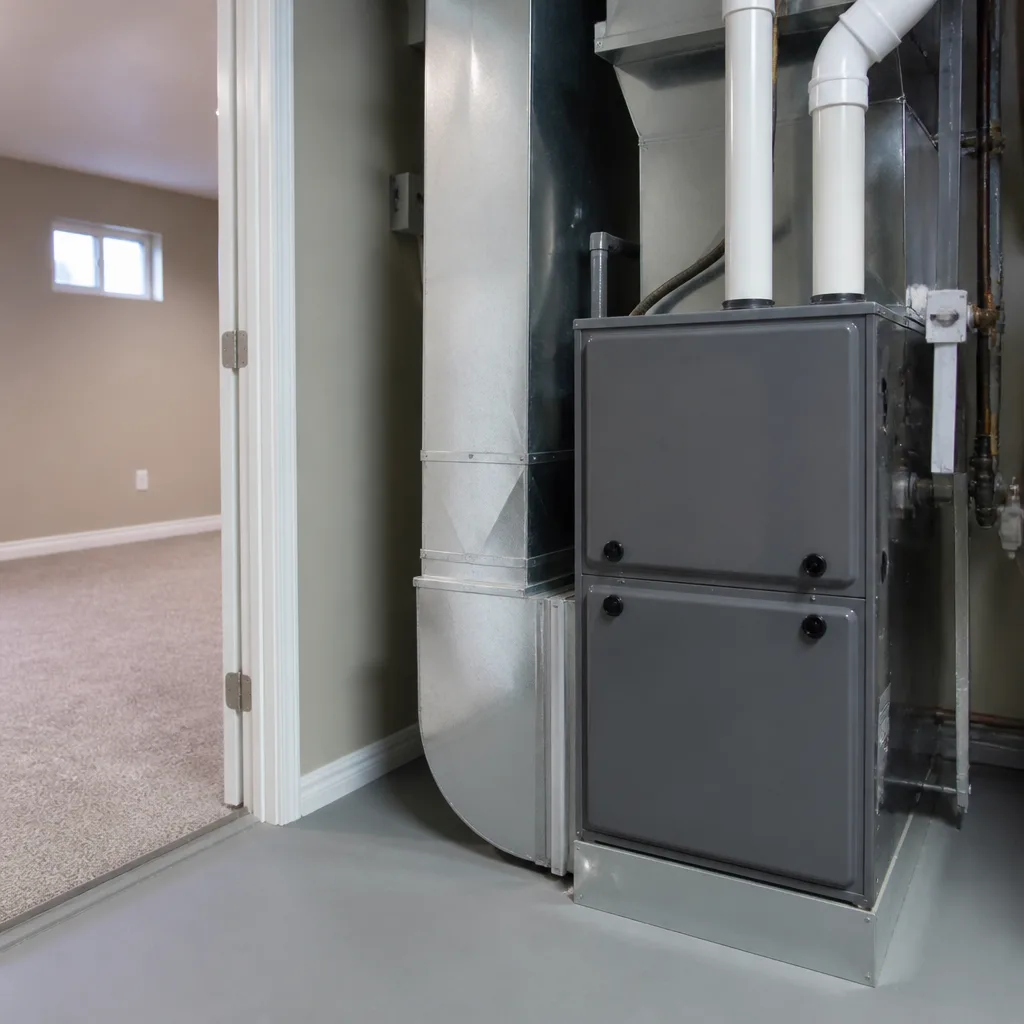 Furnace & heating
 Heat pumps
 Ductless mini splits
 Carrier
 Trane
 Goodman
Seasonal tune-up and full diagnostic on your Carrier, Trane, or Goodman system - readings shown to you before any repair is proposed
Diagnosis first, numbers second - you approve the repair price before a single part goes in.
Get your free estimateHVAC Emergency Preparedness Guide for Garland Homes
Most Garland homeowners treat an HVAC failure as a repair problem. It’s really a time problem, and the clock starts before the technician does. During Garland’s most recent 10-day stretch above 100°F, average contractor response times pushed past 48 hours. That means the first three decisions a homeowner makes after the system quits happen with zero professional input: what to check, who to call, and whether the house is still safe to stay in. This guide is built around Garland’s actual emergency patterns – triple-digit heat in July and August, hard freezes that arrive with little warning – and it walks you through what every Garland homeowner should have ready before the system fails.
Quick Answer
HVAC emergency preparedness for a Garland home comes down to five things: knowing the four quick checks that resolve about 20% of apparent emergencies without a service call, knowing when to leave the house instead of waiting it out, having a triage script ready so the contractor can prioritize you accurately, protecting pipes and temporary heat sources before a freeze, and keeping a written record of your equipment model, filter sizes, and service history. Homes that have those five pieces in place before a failure consistently get back to comfort faster than homes that start researching contractors in the moment.
Styles & brands we work with
- AC repair
- Furnace & heating
- Heat pumps
- Ductless mini splits
- Carrier
- Trane
- Goodman
Table of Contents
- How Garland’s HVAC Emergencies Actually Pattern Out
- The First Four Things to Check Before You Call Anyone
- Garland Cooling Centers and When to Use Them
- How to Safely Manage a Home Above 85°F Indoors for 24 to 48 Hours
- What to Tell a Contractor So You Get Triaged Correctly
- Winter Preparedness for Garland’s Freeze Events
- The Prep Kit: What to Have on the Shelf Before You Need It
- Common Mistakes to Avoid
- When to Call a Professional
- Frequently Asked Questions
How Garland’s HVAC Emergencies Actually Pattern Out
Garland HVAC emergencies cluster around two weather events, and each one fails systems differently. Knowing which pattern you’re in helps you decide how urgently you need to act.
The summer pattern is the one most Garland homeowners recognize. A high-pressure ridge settles over North Texas, afternoon temperatures hold above 100°F for a week or more, and air conditioners that were already running with a dirty filter or a weak capacitor fail on day three of the stretch. That’s not coincidence. A system that’s fine at 95°F can be pushed past its design limit at 105°F, and the components under the most continuous load give out first. In our experience, these failures hit hardest in the late afternoon and early evening, after the system has run nonstop through the hottest hours of the day.
The winter pattern is shorter and more sudden. Garland gets one or two hard freeze events in a typical winter, and they tend to arrive with a day or two of warning. The failures that follow are often not the furnace itself but the things around it: a condensate line that stops draining, a pipe in an exterior wall, a heat source that a homeowner set up in a way that doesn’t work as intended.
Both patterns share a trait that makes preparedness matter: they happen to many homes at once. When the call volume spikes, response times stretch, and the homeowner who already knows what to check and who to call gets faster service without asking anyone to cut a line.
If you want the full picture of how Garland homeowners should think about their comfort systems across the year, our city page covers the basics of who we serve and how we work here.
The First Four Things to Check Before You Call Anyone
About 20% of the calls homeowners make during a heat emergency turn out to be something other than a mechanical failure. These four checks are the difference between spending two hours on the phone and spending fifteen minutes on an easy fix.
1. Thermostat setting and power
Check that the thermostat is set to COOL, not FAN or HEAT, and that the set temperature is actually below the current indoor temperature. It sounds trivial. It isn’t. Screens get bumped, schedules get overridden, and batteries in battery-powered thermostats die. If the screen is blank, replace the batteries or check that the thermostat has power at the breaker. If it’s a smart thermostat, confirm the app hasn’t pushed the system into an away or eco setting.
2. The air filter
A heavily loaded filter restricts airflow, and a restricted air conditioner can freeze its indoor coil or trip out on high-pressure protection. This is one of the most common causes of an AC that runs but doesn’t cool. Pull the filter, hold it up to a light, and if you can’t see through it, replace it. Garland’s summer dust load means filters here need attention more often than the label suggests; check monthly through the hot season rather than counting on a 90-day schedule.
3. The breaker and the float switch
Go to the panel and look for a tripped breaker feeding the outdoor unit or the air handler. Don’t just look; reset it once and see whether the system comes back. If it trips again immediately, stop resetting it and call a professional. Also check the condensate float switch – the small safety device in the drain pan or drain line that shuts the system off when water backs up. A clogged condensate line is an extremely common summer failure, and if your system has a float switch, it may be doing exactly its job by keeping the system off.
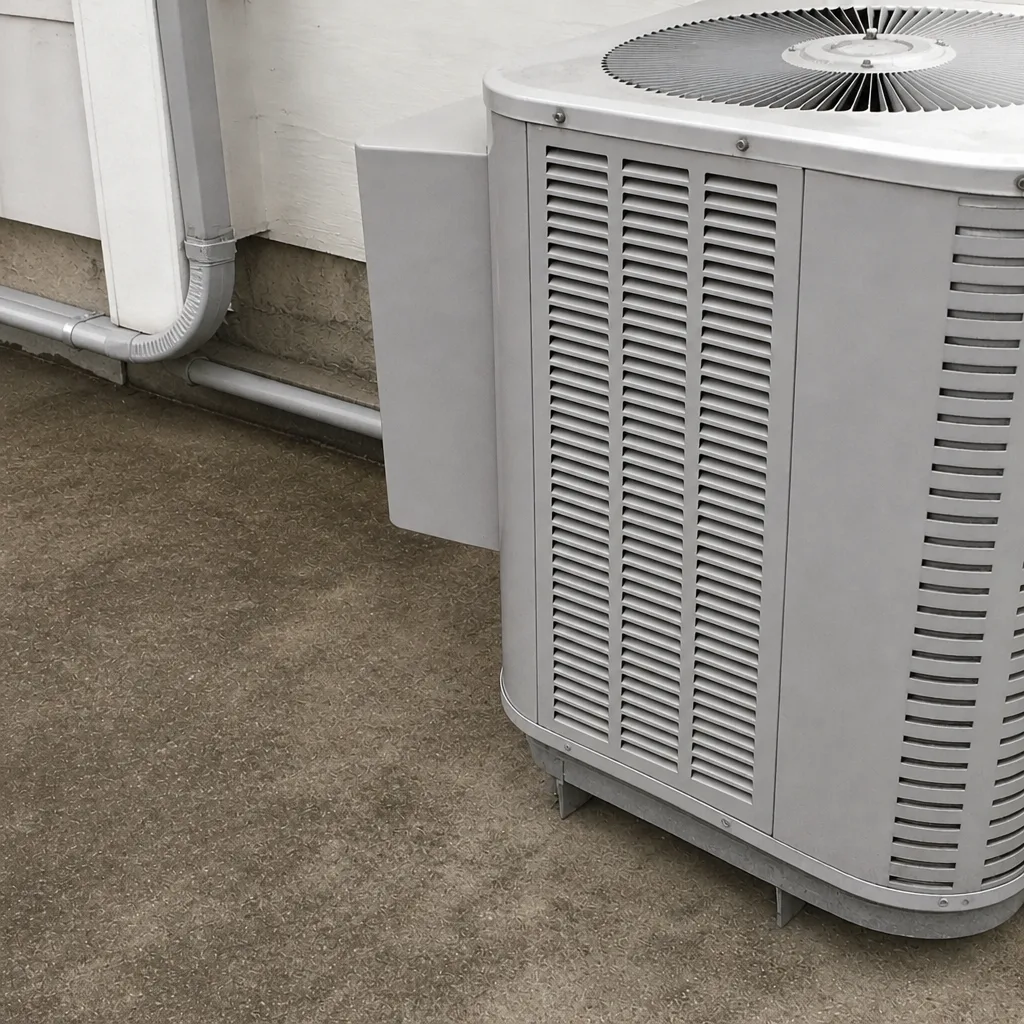
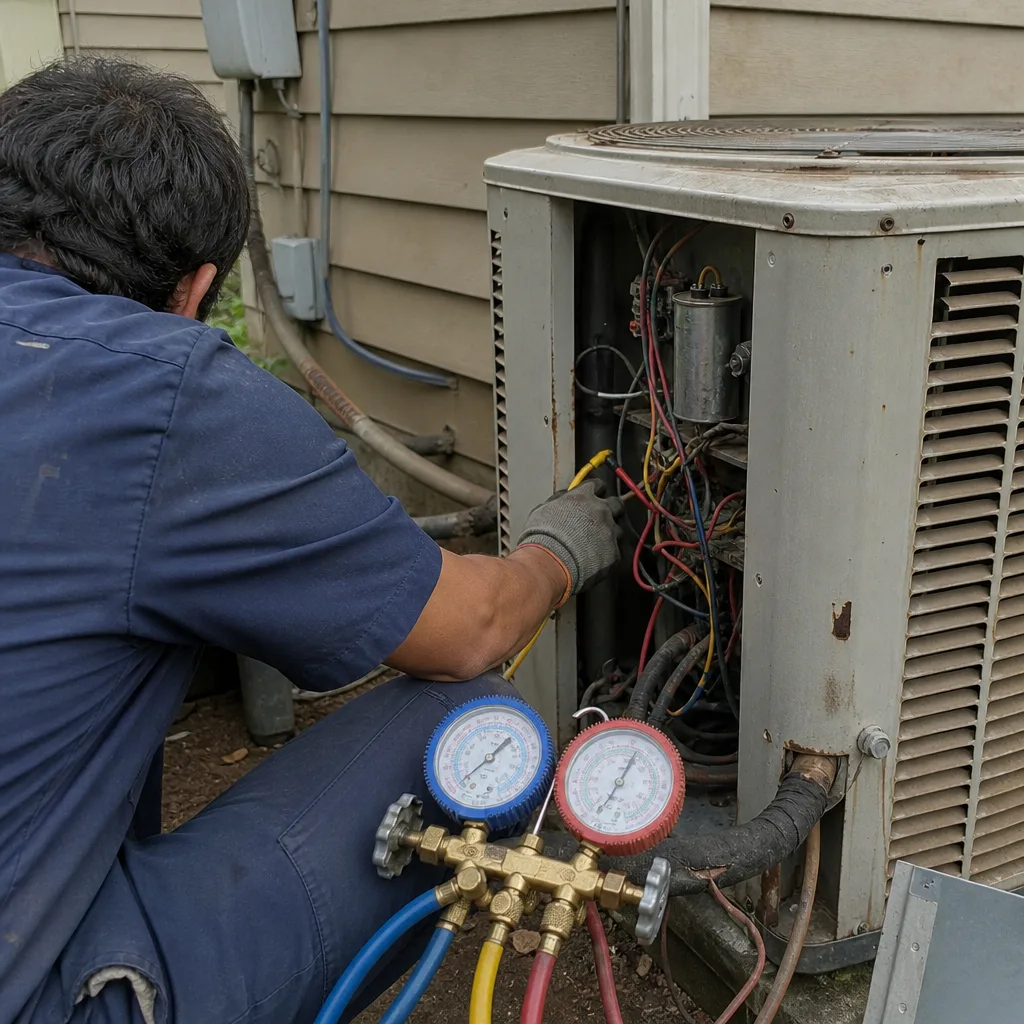
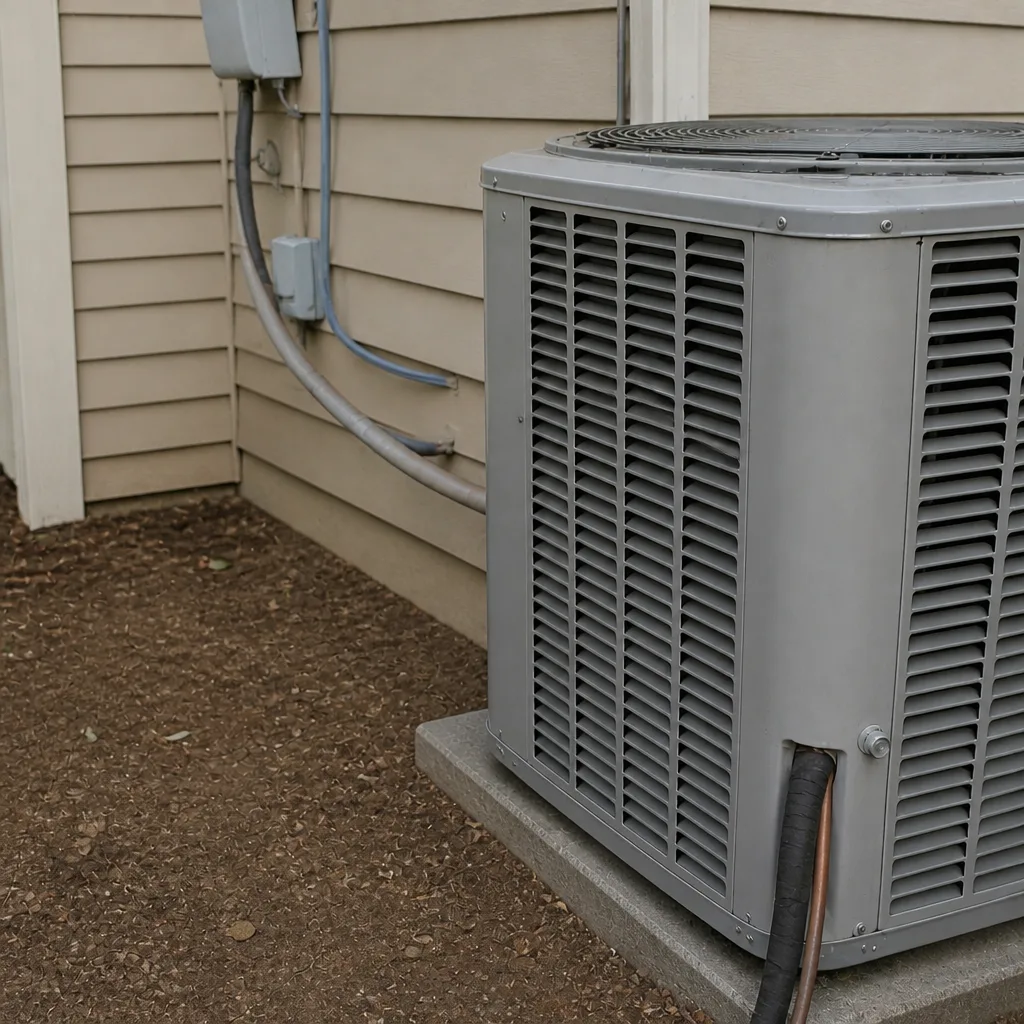
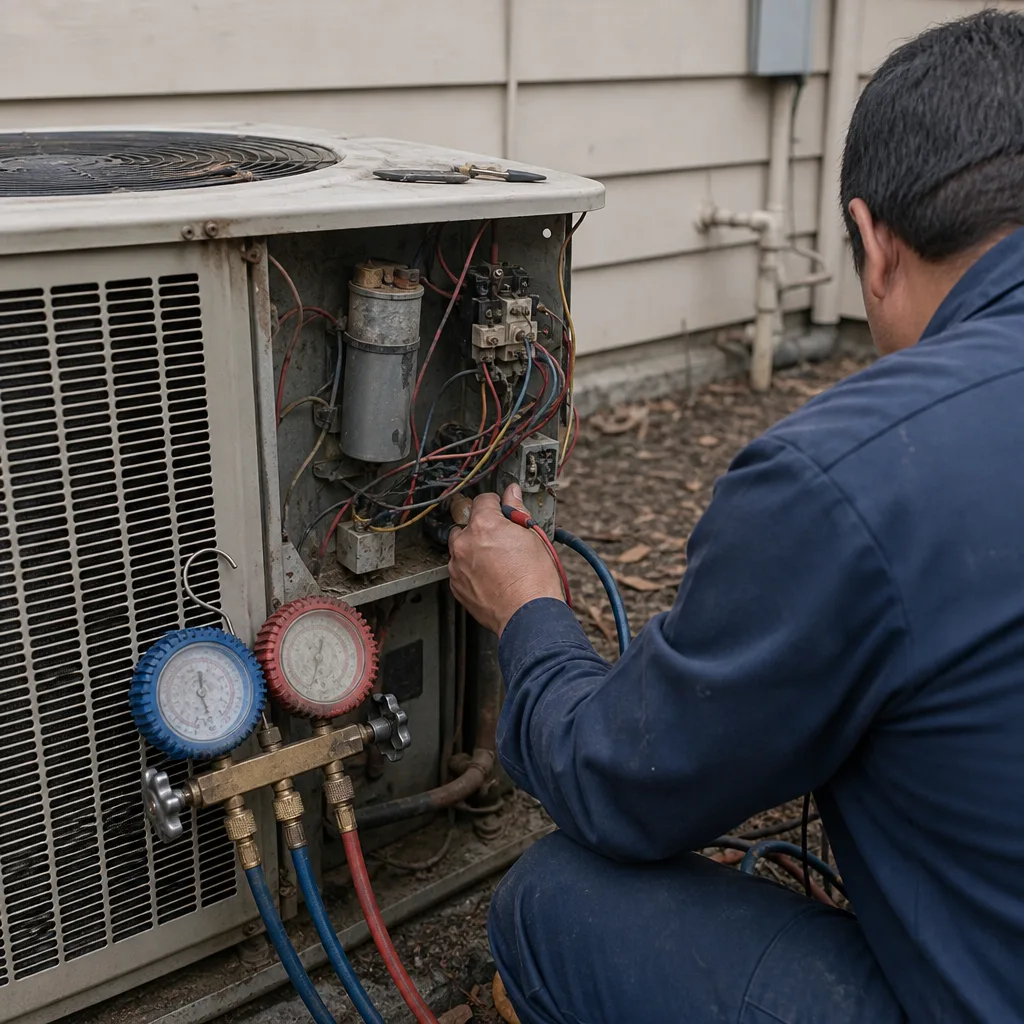
4. The outdoor unit itself
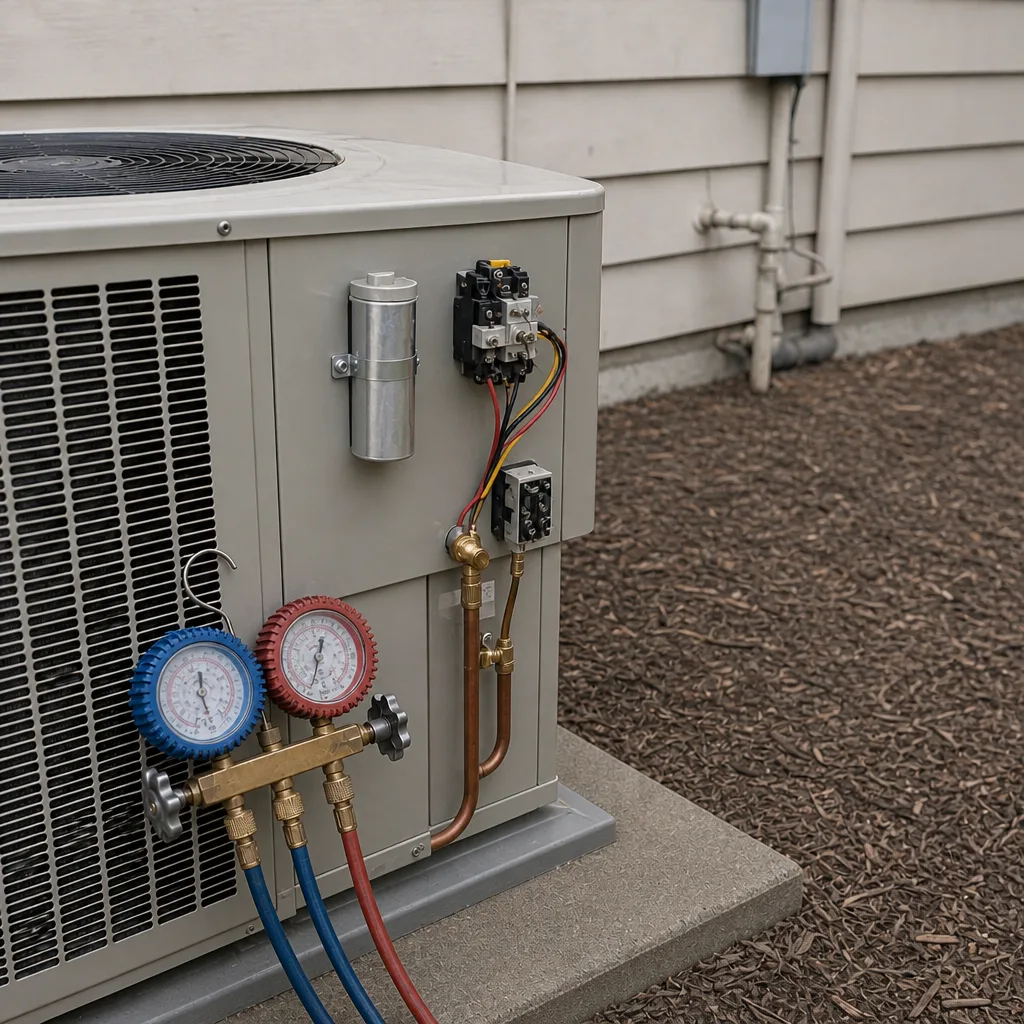
Look at the condenser and listen. Is the fan turning? Is there ice on the refrigerant lines or the coil? Is the unit making a clicking or humming noise without starting? Ice on the lines usually means restricted airflow or low refrigerant charge and is a stop-and-call situation. A fan that isn’t turning with the compressor humming is also a professional call – running it in that state can damage the compressor.
If those four checks don’t turn anything up, you have an actual service call. Everything below is about making that call count.
Garland Cooling Centers and When to Use Them
Garland opens public cooling centers during declared heat emergencies, and they are the right answer for some households and the wrong answer for others. The difference isn’t pride. It’s risk.
Use a cooling center when the indoor temperature in your home reaches the mid-80s and is still climbing, when you have no working air conditioning and no realistic way to cool a single room, or when the outdoor heat index is above 105°F and you have no way to keep your indoor space below 80°F. The city usually announces specific locations and hours when a heat emergency is declared, so check the City of Garland’s official channels for the current list rather than relying on an old list you saw last summer.
Some household members should go first, and shouldn’t wait for the house to hit a crisis point:
- Adults over 65. Older bodies regulate heat less efficiently, and prescription medications can interfere with sweating and fluid balance.
- Infants and young children. Children heat up faster and dehydrate faster than adults.
- Anyone with a heart condition, diabetes, or a respiratory condition such as asthma or COPD. Heat puts real strain on the cardiovascular system.
- Anyone taking medications that affect sweating, blood pressure, or hydration. Ask a pharmacist if you’re unsure whether yours are on that list.
- Pets that stay indoors. They don’t have a way to leave on their own.
Our advice to Garland families is simple: decide before the emergency who leaves first. A cooling center is not a last resort. It’s a tool, and using it early prevents a bad situation from getting worse while the system gets fixed.
How to Safely Manage a Home Above 85°F Indoors for 24 to 48 Hours
If the system is down and you’re staying put for a day or two, the goal changes. You’re not trying to cool the whole house; you’re trying to create one livable room and keep everyone hydrated while the technician works through the queue.
Isolate one room
Pick the coolest room in the house – usually a north- or east-facing room on the lowest floor, away from exterior walls that face the afternoon sun. Close its door, cover its windows with blinds or a light-colored sheet during daylight hours, and put a fan in the doorway or window to keep air moving. Cross-ventilate at night or in the early morning when the outdoor temperature drops. A single box fan in a closed room with the door shut doesn’t help, so keep the airflow going.
Hydration benchmarks
Adults should aim for a glass of water roughly every 20 to 30 minutes during waking hours in a hot house, more if they’re sweating. Avoid alcohol and heavy caffeine; both push fluid balance in the wrong direction. Watch for the early signs of heat exhaustion – headache, dizziness, nausea, muscle cramps, cool and clammy skin. If you see confusion, hot and dry skin, or someone stops sweating, that’s a medical emergency, not an HVAC problem. Call for help.
Appliance discipline
Don’t run the oven, the dryer, or the dishwasher during the hottest part of the day. Cook outside or eat cold food. Turn off unnecessary lights and unplug devices that generate heat. Small choices add up over 24 hours.
Overnight strategy
Garland nights during a heat wave often drop into the upper 70s rather than the low 70s, which means overnight recovery is limited. Open windows on both sides of the house once the outdoor temperature falls below the indoor temperature, and set fans to exhaust air rather than blow it around. Get the house as cool as you can between midnight and 6am, then close it up tight before the sun gets high.
What to Tell a Contractor So You Get Triaged Correctly
During a heat emergency, every contractor in Garland is sorting a long call list. The homeowners who get scheduled earliest aren’t the ones who shout loudest. They’re the ones who give the dispatcher the information needed to put them in the right slot.
Here’s what to have ready before you dial:
- Brand and model. A Bryant, American Standard, Carrier, or Trane unit has specific known failure points, and a technician who knows the brand arrives already oriented. Find the data plate on the outdoor unit or the air handler and read off the model and serial numbers.
- Age of the system. A 20-year-old unit with a failed compressor is a different call than a 4-year-old unit with the same symptom.
- Symptoms in order. “Started running long cycles Tuesday, stopped cooling Wednesday afternoon, breaker tripped once and I reset it, now the outdoor fan doesn’t turn.” That’s a story a technician can act on. “It’s not cooling” is not.
- What you’ve already checked. If you’ve replaced the filter, reset the breaker, and confirmed the thermostat isn’t in a hold, say so. It saves a step.
- Household risk factors. If you have an infant, an elderly resident, or a medical condition in the home, say so plainly. That’s not complaining; it’s the information that decides whether your call moves up the list.
The honest part: no contractor can promise same-day service to every caller during a 10-day heat stretch. But accurate triage information is what makes the schedule work, and it’s how the right call gets the right response.
Winter Preparedness for Garland’s Freeze Events
Garland’s winters are mild enough that most homeowners don’t think about them until a hard freeze is in the forecast. That’s exactly when the trouble starts. The preparation takes an hour, and it’s worth doing in November before the first cold snap.
Temporary heat source safety by type
- Space heaters. Keep at least three feet of clearance on all sides, plug directly into a wall outlet (never a power strip or extension cord), and never leave one running unattended overnight. Tip-over shutoff is non-negotiable.
- Electric blankets. Safe for warming a bed, but check the cord for wear and don’t tuck them under heavy bedding where heat can build up.
- Fireplaces and wood stoves. Have the chimney inspected before the season, and never leave a fire unattended. Keep a screen or glass door in place.
- Combustion heaters of any kind – kerosene, propane, or gas. These produce carbon monoxide. They belong outdoors, not in a closed room, and a working CO alarm is a requirement, not an accessory.
- Ovens and stovetops. Not a heat source. Never use them to warm a room.
Pipe protection that doesn’t interfere with the HVAC
Most Garland freeze damage happens to pipes in exterior walls, in the attic, or in an unheated garage, not to the plumbing inside the conditioned envelope. On nights when a hard freeze is forecast, open the cabinet doors under sinks on exterior walls, let a thin trickle run from the faucet farthest from the main, and drip the outdoor hose bibs. None of that interferes with your heating system. What does interfere: closing off the supply registers in the rooms that hold the vulnerable pipes to “save heat” elsewhere. Those rooms need whatever heat they get, and closing registers can push a furnace past its designed static pressure.
The system check to run before a hard freeze
- Switch the thermostat to HEAT and set it above the current indoor temperature. Confirm the furnace fires and warm air reaches every register, not just the closest one.
- Replace the filter before the heating season, not during it.
- If your system has a condensate line that runs outdoors, check that it’s draining. A frozen condensate line can shut down a furnace in the middle of a cold night.
- Test your carbon monoxide detectors.
- Know where your gas shutoff is and how to turn it off, just in case.
If your furnace hesitates, short-cycles, or blows cold on that test run, get it looked at before the freeze rather than during it. Our Sunstone AC Repair team handles furnace repair alongside cooling work, so a single contractor can cover both sides of the system.
The Prep Kit: What to Have on the Shelf Before You Need It
Preparedness for Garland HVAC emergencies is mostly a drawer of small items and a page of written information. Here’s the practical list.
- Two spare filters in the correct size. Write the size on the inside of the air handler door with a marker so you never guess again.
- A written system card. Brand, model and serial numbers for the outdoor unit, the air handler, and the furnace. Date of the last service. The name of the contractor who did it.
- Flashlights and batteries for a breaker-panel trip at night.
- Bottled water and a battery-powered fan on hand before the summer heat peaks.
- A battery-powered carbon monoxide alarm for winter, in addition to the hardwired one.
- The number of your HVAC contractor, written down. Not just in your phone. When the power’s been out and the phone is at 12%, a paper number on the fridge still works.
None of this is expensive and none of it takes long. It’s the difference between reacting and responding.
Common Mistakes to Avoid
- Resetting a tripped breaker more than once. A breaker that trips immediately after reset is telling you something is wrong. Keep resetting it and you risk damaging the compressor or creating a fire hazard. Reset once, then call.
- Running the AC with ice on the refrigerant lines. The ice itself is often a symptom, and running the system while it’s frozen can shorten the compressor’s life. Turn it off and wait for a technician.
- Assuming the filter is fine because it “looks clean.” Garland’s summer dust loads filters faster than the label suggests. Hold it up to the light; if you can’t see through it, it’s done.
- Closing registers in unused rooms to save energy. It doesn’t save energy, and it can raise static pressure in the ducts and cause a furnace to overheat or a coil to freeze.
- Using an oven or gas range as a heat source during a freeze. It’s a carbon monoxide and fire risk, and it does real damage to the appliance. Every winter, this happens; don’t let it be you.
- Waiting until the house is 90°F to call for help. By the time indoor temperatures reach that point, you’re no longer just scheduling a repair; you’re managing a health risk. Call at 80°F.
- Calling a contractor who can only service one brand. If your unit is a Trane, a Bryant, or an American Standard and the technician on the phone is only fluent in one line of equipment, you’ll spend time waiting for a second opinion. Ask first.
When to Call a Professional
Some HVAC situations are safe to work through on your own – a thermostat setting, a dirty filter, a tripped breaker that resets cleanly. Others aren’t. Call a professional right away if you see ice on the refrigerant lines, hear the compressor humming without the fan turning, smell burning or a sweet chemical odor near the air handler, find water pooling around the indoor unit, or see any sign of a gas leak or carbon monoxide issue. Those aren’t prep-kit problems; they’re stop-and-call situations, and the safety risk is real.
Sunstone AC Repair offers free estimates in Garland, and we work across nine of the most-installed residential brands, so our technicians arrive already familiar with your Carrier, Trane, Lennox, Goodman, Rheem, York, Daikin, Bryant, or American Standard system. Call (866) 970-7959 for a free estimate. We answer 24/7. Fast dispatch from 7am to 7pm, Sunday through Friday.
Frequently Asked Questions
Check the thermostat setting and batteries, confirm the filter isn’t clogged, look at the breaker, and look at the outdoor unit for ice or a fan that isn’t turning. Those four checks resolve roughly 20% of apparent emergencies without a service call. If none of them turns anything up, call a contractor and have your system model, age, and symptoms ready to describe.
You can turn the system off and let it thaw, but that’s where the safe part ends. Ice on the indoor coil or the outdoor refrigerant lines usually means restricted airflow or low refrigerant charge, and low charge requires a licensed technician to find and repair the leak. Running the system while frozen can damage the compressor. Call a professional.
If indoor temperatures are in the mid-80s and still climbing, or if anyone in the home is over 65, an infant, pregnant, or living with a heart, lung, or diabetic condition, go to a cooling center. The house can wait for the repair; people shouldn’t. Check the City of Garland’s official channels for current cooling center locations and hours during a declared heat emergency.
Run a furnace test before the first hard freeze: switch to HEAT, confirm it fires and that warm air reaches every register, replace the filter, and check that any condensate line draining outdoors is clear. Most Garland freeze calls would be avoided by that one test, done in November rather than during the storm. If the furnace hesitates, get it looked at before the cold gets here.
Yes. Any combustion heat source – gas, propane, kerosene, wood – produces carbon monoxide, and a working CO alarm is required, not optional. If the alarm goes off, get everyone outside and call for help before doing anything else. Don’t try to diagnose it yourself.
Yes, and it shows up in the emergency. A technician who works on Carrier, Trane, Bryant, and American Standard routinely knows the known failure points for each line and arrives already oriented, which means faster diagnosis and fewer return visits. A shop that services only one or two brands may not be equipped to handle your system, so ask when you call. At Sunstone AC Repair we’re certified across nine of the most-installed residential brands, so the first visit is usually the right one. Call (866) 970-7959 for a free estimate. We answer 24/7. Fast dispatch from 7am to 7pm, Sunday through Friday.
The Bottom Line
Garland’s HVAC emergencies follow patterns you can prepare for. Summer heat waves fail systems over time, and a 10-day stretch above 100°F can push average response times past 48 hours. Winter freezes arrive suddenly and expose whatever plumbing and heat-source prep you skipped in November. The homeowners who do best aren’t the ones who call first; they’re the ones who already know the four checks, have a written system card, know who leaves first if the house gets too hot, and can explain their symptoms clearly on the phone. That’s a Saturday afternoon of prep, done once, that pays off in every emergency for the next decade. That’s what emergency preparedness is actually for.
Whether you need AC repair today or you’re planning ahead for a AC installation before next summer, we’re here for the whole system, not just the emergency. Call (866) 970-7959 for a free estimate. We answer 24/7. Fast dispatch from 7am to 7pm, Sunday through Friday.
Written by the team at Sunstone AC Repair, serving Garland since 2018.
See the difference
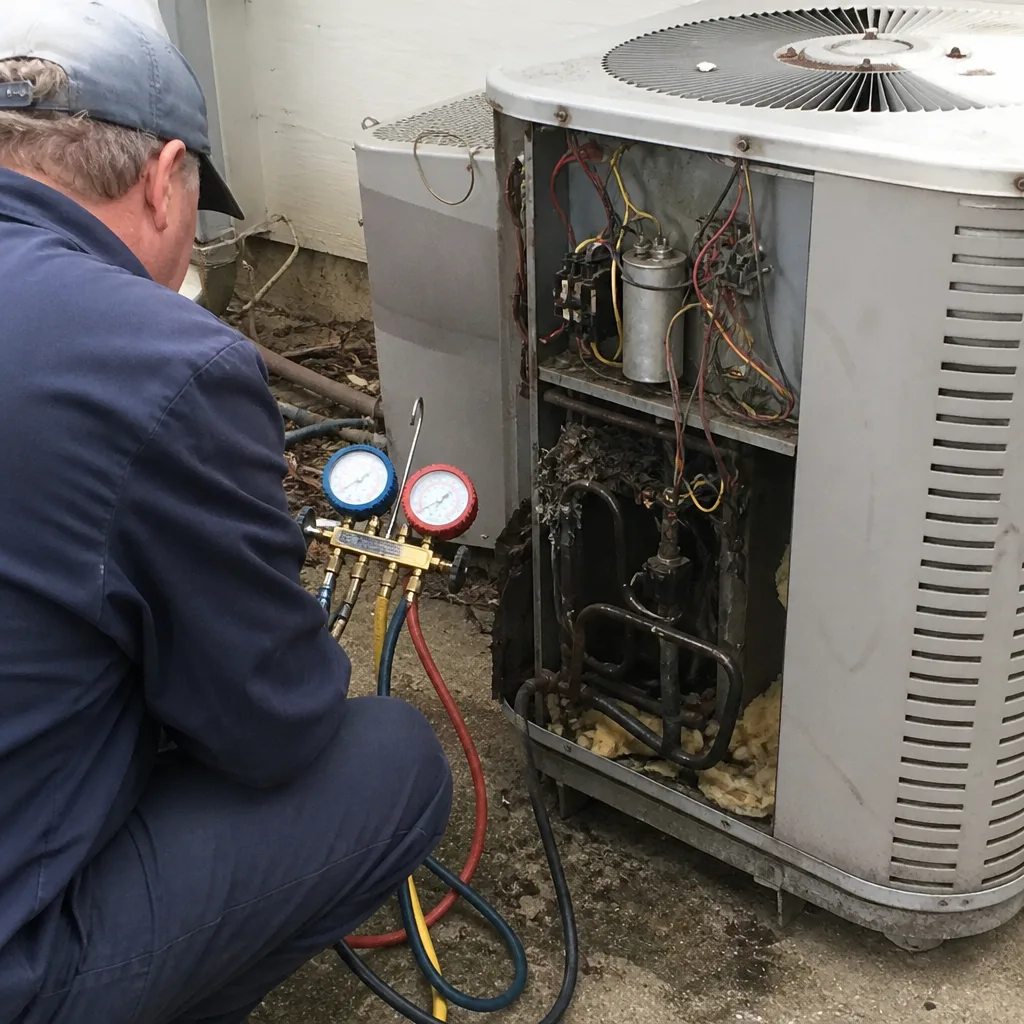 Before
 After
 Before
 After
 Before
 After