
Last updated November 14, 2026
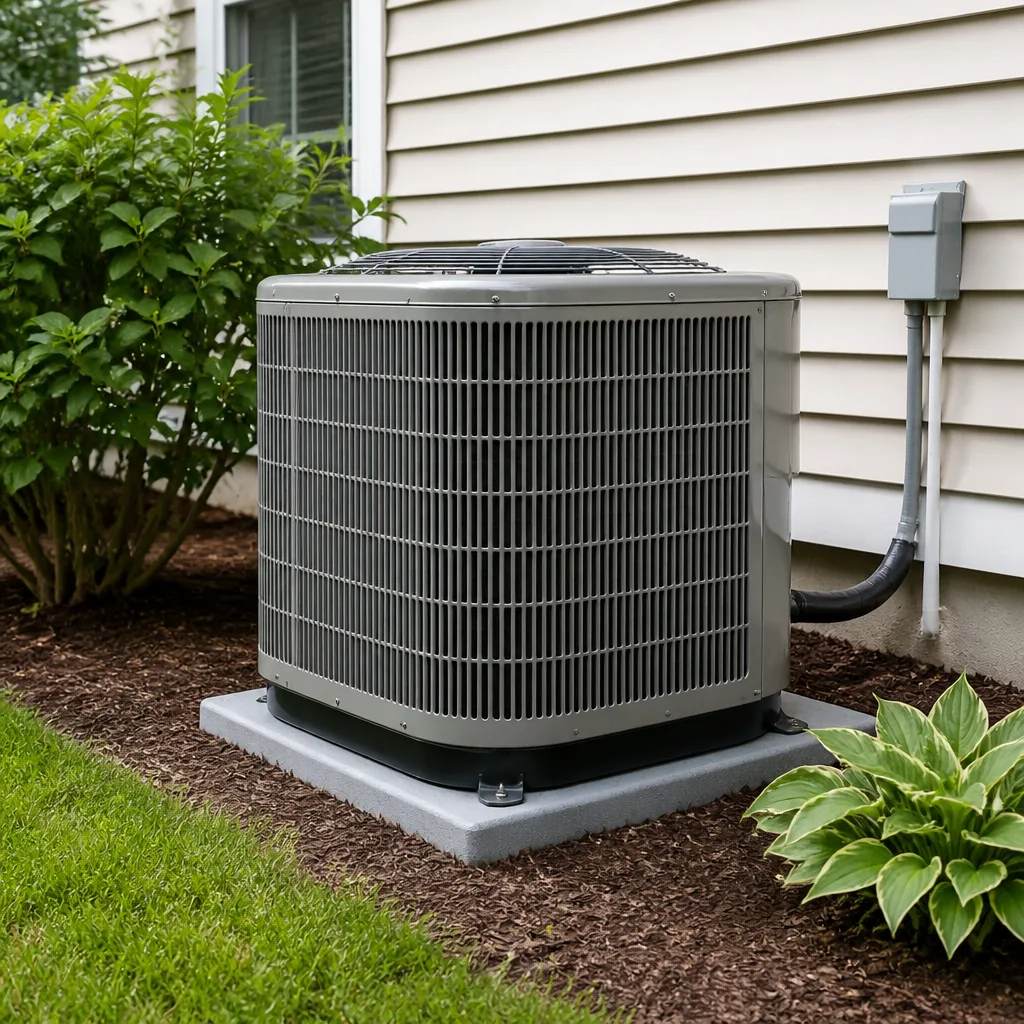 AC repair
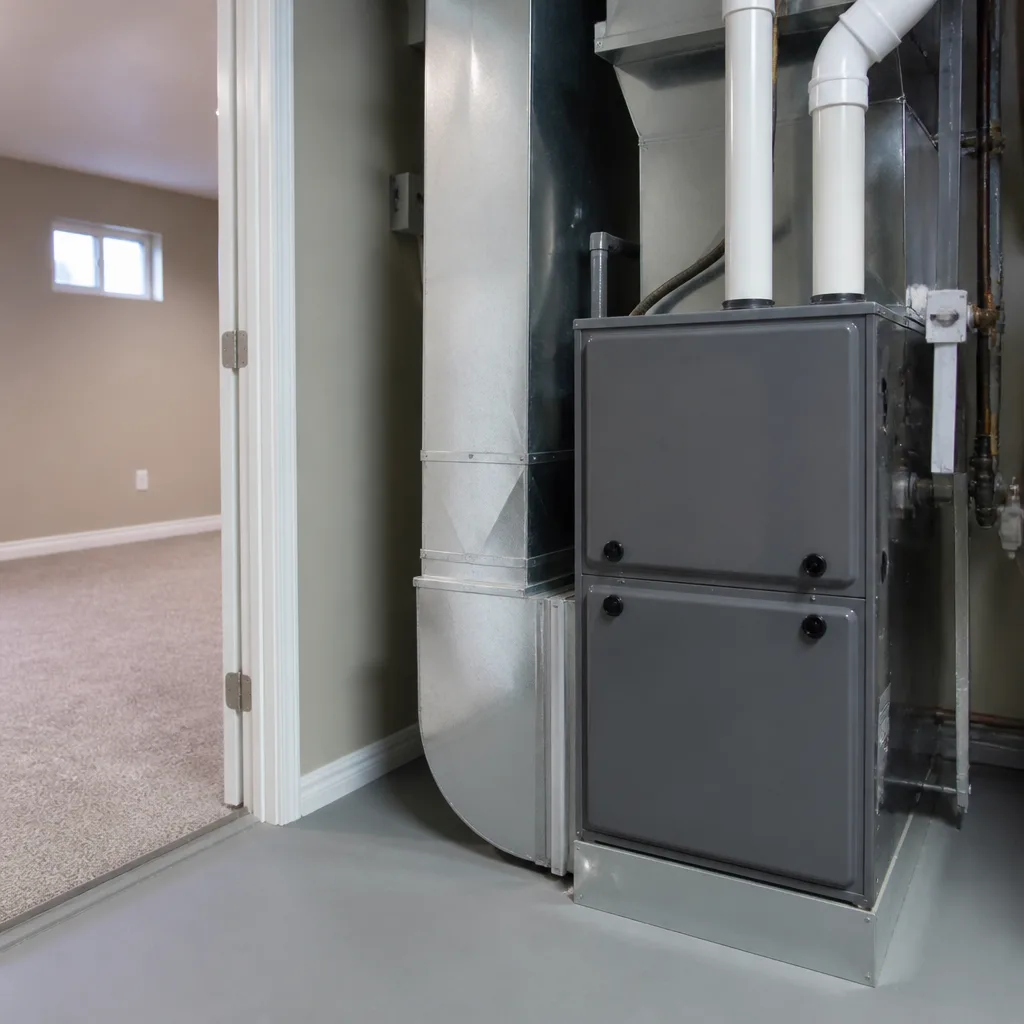 Furnace & heating
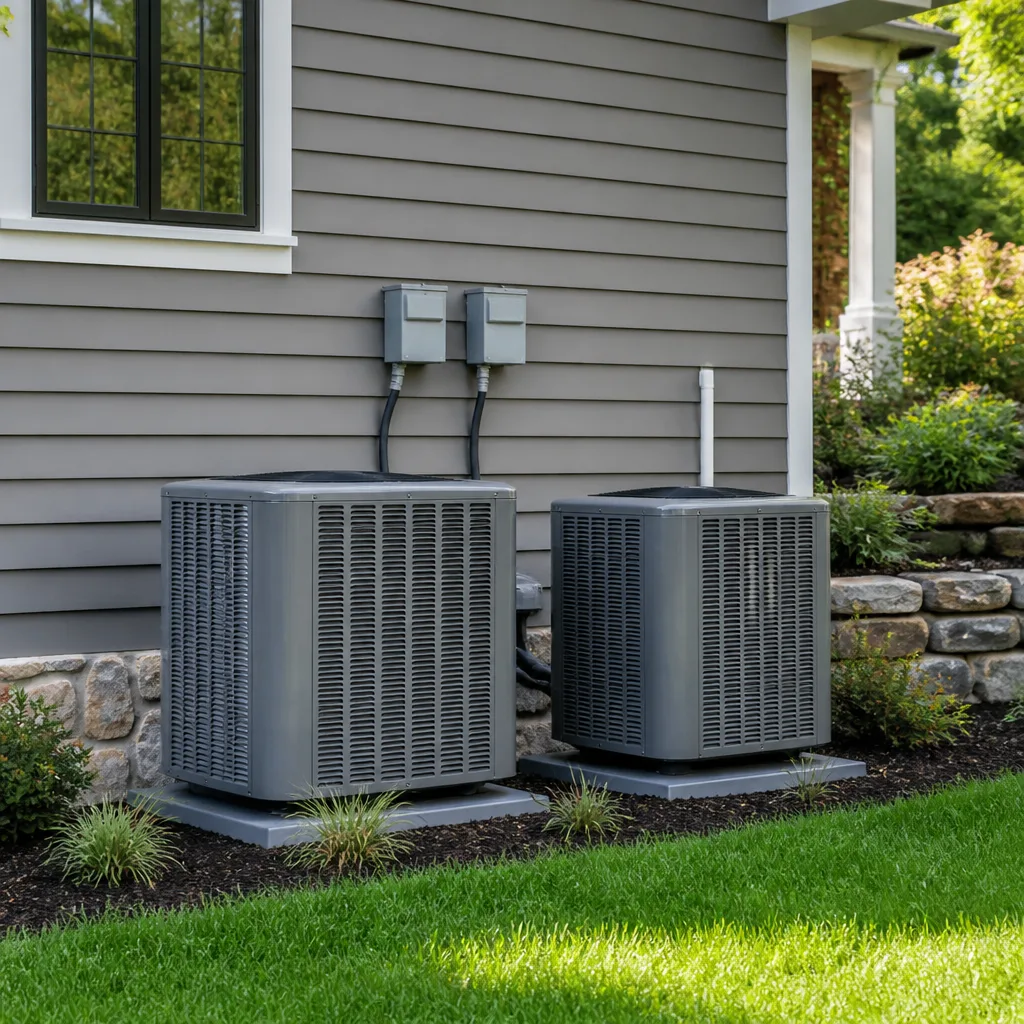 Heat pumps
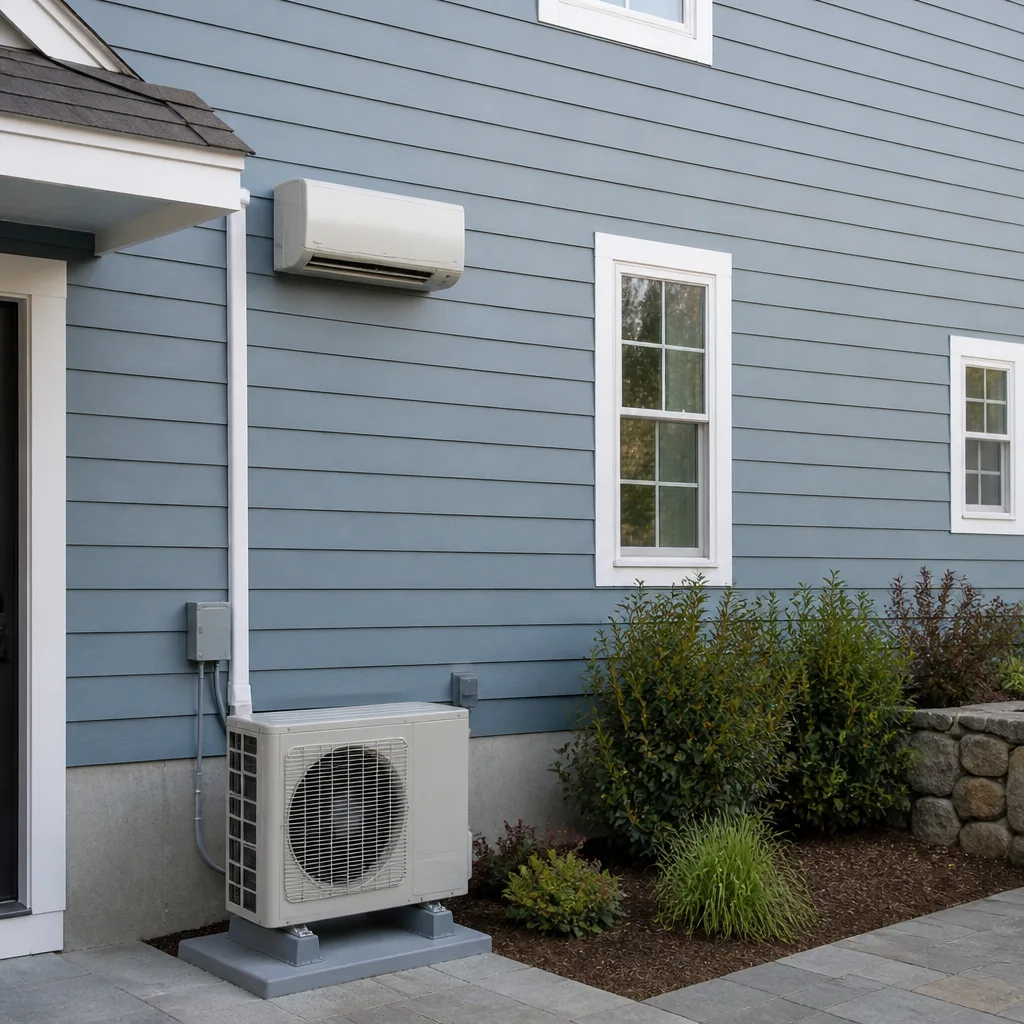 Ductless mini splits
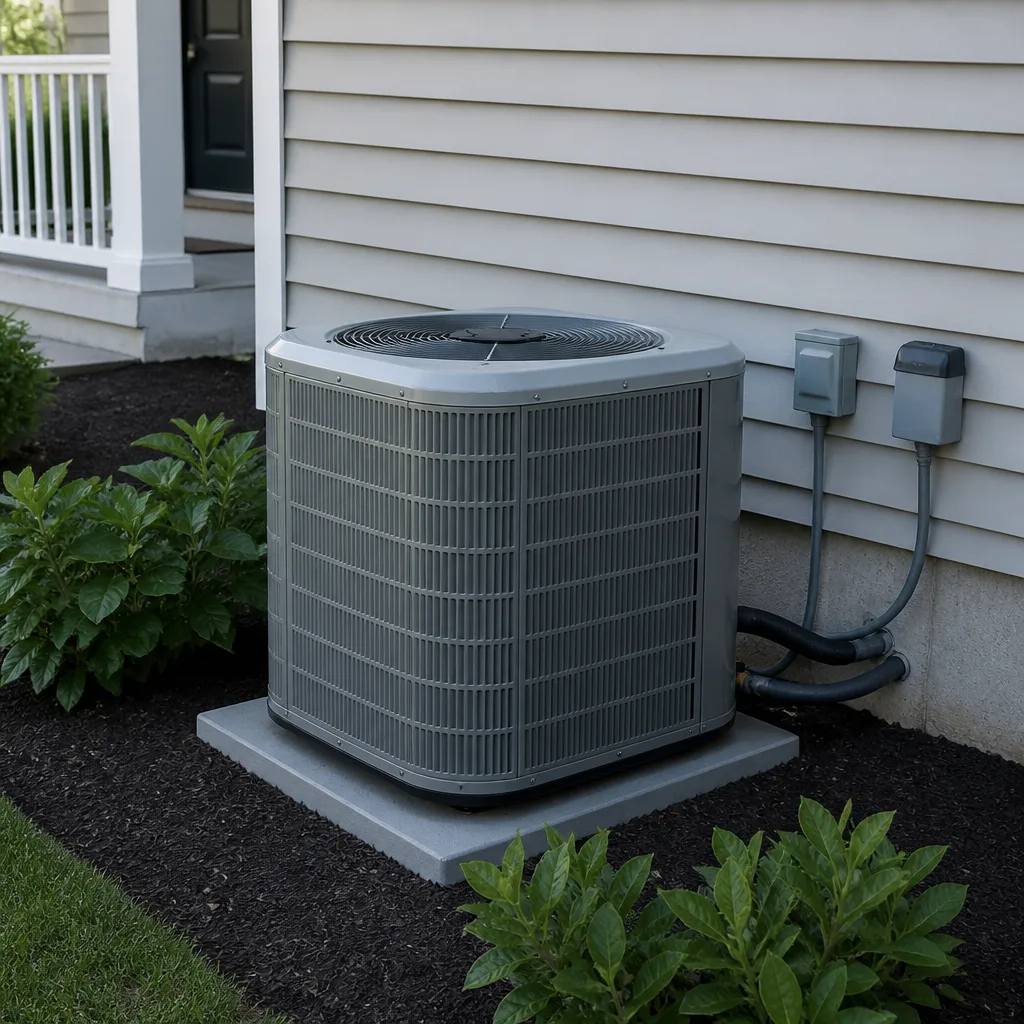 Carrier
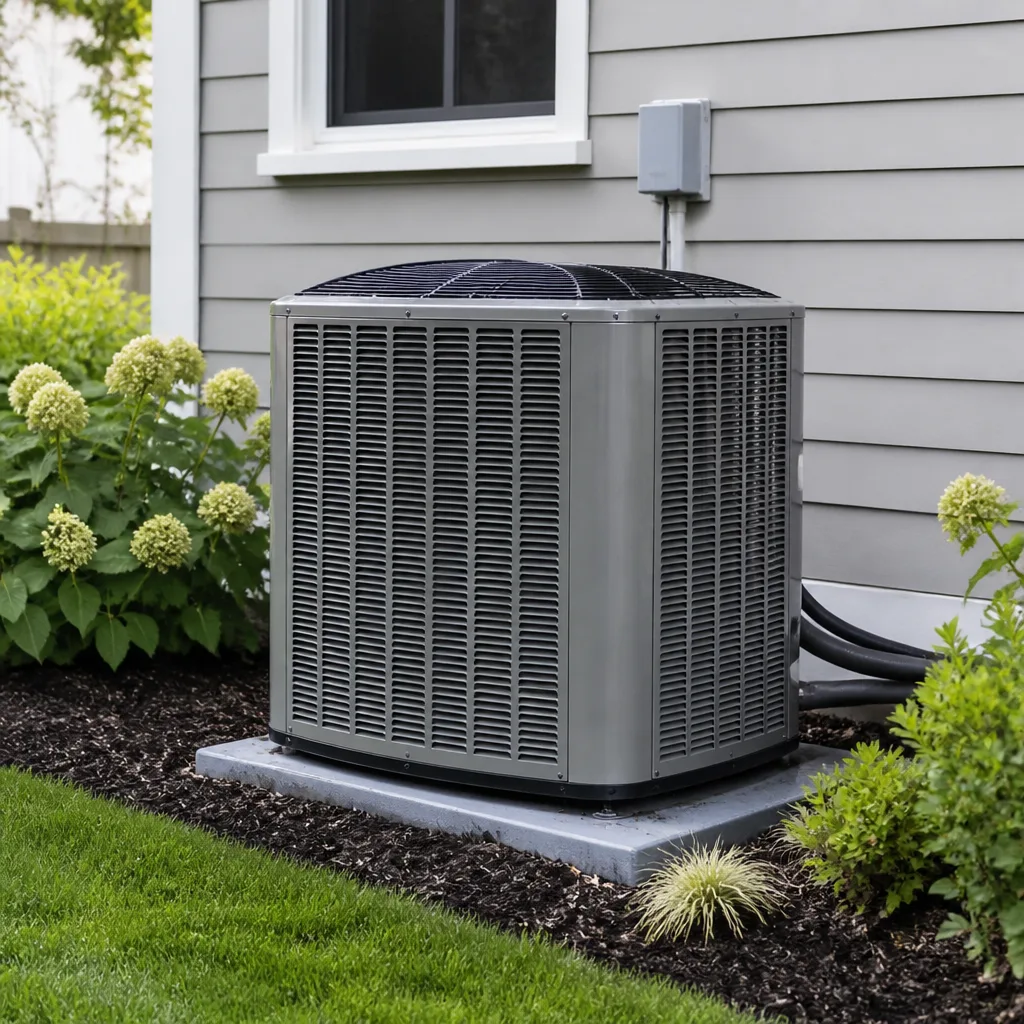 Trane
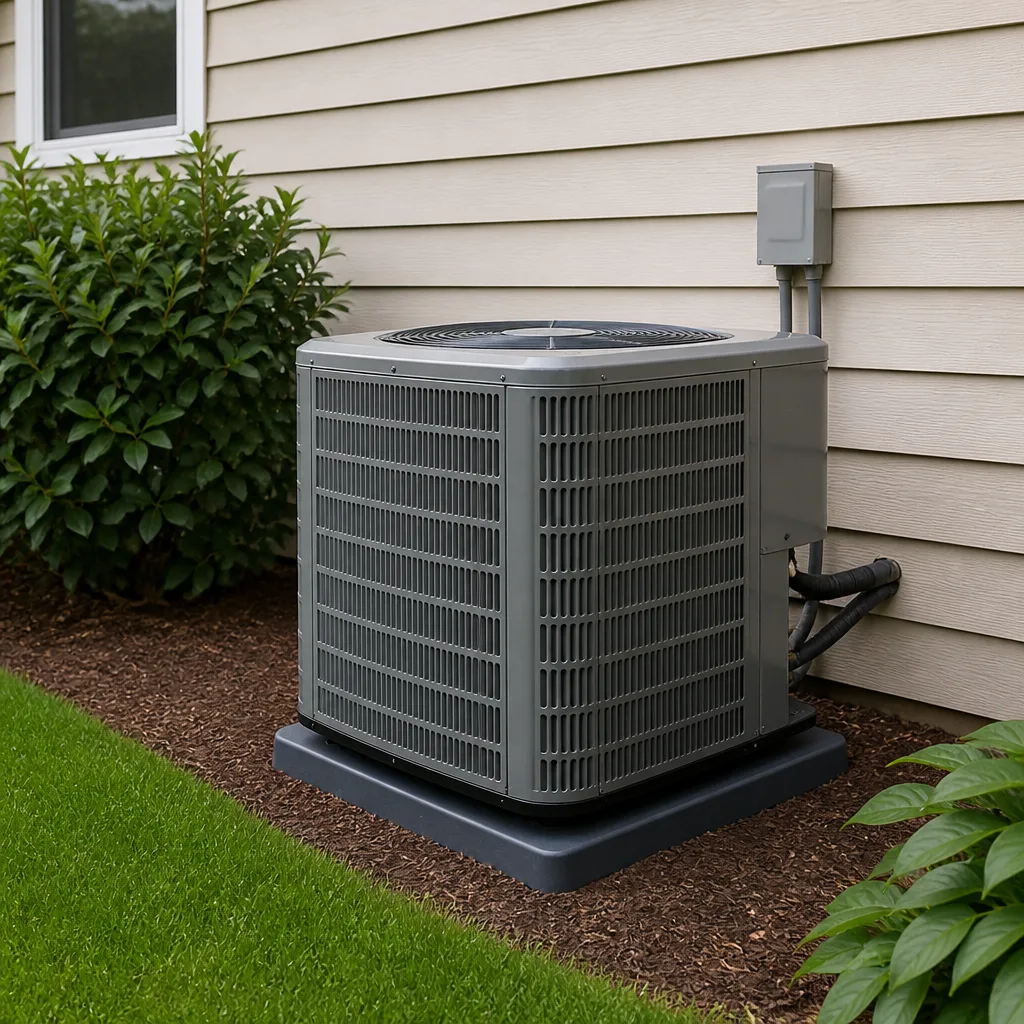 Goodman
Seasonal tune-up and full diagnostic on your Carrier, Trane, or Goodman system - readings shown to you before any repair is proposed
Diagnosis first, numbers second - you approve the repair price before a single part goes in.
Get your free estimateHVAC Permits, Codes & Inspections in Garland, TX: What You Need to Know
Here’s the part of an HVAC quote nobody talks about at the kitchen table: the permit. Most Garland homeowners assume a permit is paperwork for the contractor, a bureaucratic box to check, and nothing more. But an unpermitted installation can turn into a real problem at the worst possible time. If a later fire or water damage claim gets traced back to work that was never inspected or signed off, your insurer has grounds to push back on the payout, and that risk almost never shows up in a sales conversation. This guide walks through which jobs in Garland actually need a permit, how the city’s inspection sequence works, how to check whether the equipment already in your home was ever permitted, and the exact language to use when you ask a contractor for documentation before work begins.
Quick Answer
In Garland, a like-for-like repair to existing HVAC equipment generally does not require a permit, but replacing a system, installing new equipment, or altering ductwork and electrical connections does. Those jobs move through a building department inspection sequence that includes a rough-in and a final, and the inspector signs off on the work before it is considered complete. The short version: repairs are usually exempt, replacements are almost always permitted and inspected, and the permit record is your proof that the work was done to code.
Styles & brands we work with
- AC repair
- Furnace & heating
- Heat pumps
- Ductless mini splits
- Carrier
- Trane
- Goodman
Table of Contents
- Which HVAC Jobs Need a Permit in Garland?
- Garland’s Inspection Sequence: Rough-In and Final
- How to Check Whether Previous HVAC Work Was Permitted
- Texas Energy Code and Equipment Efficiency in Garland
- What to Ask Your Contractor Before Work Begins
- Selling a Home With Unpermitted HVAC Work
- Why Garland’s Climate Makes Code Compliance Matter
- Who Pulls the Permit: You or the Contractor?
Which HVAC Jobs Need a Permit in Garland?
Many Garland homeowners call us and ask whether their repair needs a permit, and the honest answer usually starts with one question: are we fixing what’s there, or changing what’s there? That’s the line that separates repair from replacement, and it’s the line the code cares about.
A repair keeps the system’s identity intact. A blower motor swap, a failed capacitor, a refrigerant leak repair, a control board replacement – these keep the same equipment in the same place doing the same job. In most jurisdictions, including Garland, routine repairs of this kind don’t require a permit. The equipment was already approved when it was installed, and you’re restoring it to that condition.
Replacement and new work are different. When the system is being swapped out, when new equipment is added, when ductwork is significantly reconfigured, or when the electrical circuit feeding the equipment changes, that’s permit territory. The reasoning is straightforward: new equipment brings new load, new electrical draw, and new combustion or refrigerant considerations, and the city wants a trained eye on the install before it goes into service.
What counts as permitted work, in plain terms:
- Full system replacement – a new condensing unit, air handler, or furnace going in where the old one came out.
- New equipment installation – adding a system to a space that didn’t have one, or adding capacity.
- Ductwork changes – substantial additions, reroutes, or replacements, as opposed to sealing a single leaky joint.
- Electrical work tied to the HVAC system – new circuits, disconnect changes, or breaker work.
- Gas line work – any modification to the gas piping that feeds a furnace.
What usually doesn’t:
- Motor, capacitor, contactor, or control board replacement.
- Refrigerant leak diagnosis and repair on existing equipment.
- Thermostat replacement with a like-for-like unit.
- Cleaning, filter changes, and routine maintenance.
One caveat: city rules can shift, and the person who can confirm your specific job is your city’s building department. When in doubt, ask before the work starts, not after. Sunstone AC Repair works in Garland regularly, and we build permit needs into the quote from day one so there are no surprises mid-job.
Garland’s Inspection Sequence: Rough-In and Final
If your job needs a permit, it also needs inspections, and knowing the sequence removes most of the anxiety. A permitted HVAC replacement in Garland typically moves through two inspection stages: a rough-in and a final. Here’s what happens at each.
Step 1: Permit application
The contractor files the permit with the city before work begins, listing the scope, the equipment going in, and the address. This creates the public record that later proves the work was done and inspected.
Step 2: Rough-in inspection
The rough-in happens after the equipment is set and the connections are made, but before everything is closed up or fully operational. The inspector is checking the parts that will be difficult or impossible to verify later – the electrical connections, the disconnect, the gas piping if applicable, the condensate routing, and the clearances around the equipment. If something’s wrong at this stage, it gets corrected while it’s still accessible.
Step 3: Final inspection
The final happens once the system is complete and running. The inspector confirms the installation matches the permitted scope, that the equipment is operating, that the safety switches and controls function, and that the work is done to code. A passing final is what closes the permit and produces the documentation you’d want in a home sale or an insurance claim.
What the inspector is actually looking for
- Equipment installed per the manufacturer’s listed clearances.
- Electrical connections properly made, with the correct disconnect.
- Condensate drainage routed to a safe location.
- Gas piping and connections sound, where a furnace is involved.
- Proper venting and combustion air, on heating equipment.
- The installed equipment matching what the permit describes.
We’ve watched this sequence many times, and the jobs that sail through are the ones where the contractor pulls the permit up front and builds the inspection schedule into the job timeline. A contractor who treats inspections as an afterthought is a contractor who leaves you holding an open permit.
How to Check Whether Previous HVAC Work Was Permitted
Plenty of Garland homeowners only think about permits when they’re getting ready to sell, and by then a previous installation might be years old. The good news is that permits are public records. The work of checking is mostly a matter of asking the right office the right question.
Here’s the process, step by step:
- Find your equipment’s install date. Every outdoor unit and furnace has a data plate with the manufacture date. That tells you roughly when the equipment went in and which years to search.
- Contact the Garland building department. Ask for the permit history for your property address. Most cities can pull this by address and tell you what was permitted, when, and whether the permit was ever closed out.
- Look for closed permits, not just open ones. A permit that was pulled but never finaled can be as much of a headache as one that was never pulled. What you want is a permit with a passing final inspection on record.
- Ask the contractor who did the work. If you know who installed the equipment, they should be able to produce the permit number and the inspection record. A contractor who can’t is telling you something.
- Document what you find. Keep copies of permit records and inspection results with your home’s maintenance files. If you ever sell or file a claim, having them already in hand is worth a lot of peace of mind.
If you discover that a previous installation was never permitted, don’t panic. The fix is usually to bring the existing work into compliance. That can mean a contractor evaluating the installation, correcting anything that doesn’t meet code, and then pursuing the appropriate permit to get it inspected retroactively. It’s more work than a normal install, but it’s far better to solve it on your own timeline than to discover it during a sale negotiation or an insurance review.
Texas Energy Code and Equipment Efficiency in Garland
The efficiency of the equipment going into your home isn’t just a comfort question – it’s a code question, and it’s shaped by energy code requirements that apply in Texas and work their way down to the local inspection level. The 2021 edition of the International Energy Code (IECC) sets the baseline efficiency standards that much of Texas has adopted or is adopting, and Garland’s permitting process checks that new equipment meets the efficiency minimums in force at the time of installation.
What that means for you in practice:
- Efficiency minimums are real and enforced. A contractor who quotes you a low-efficiency unit may be quoting equipment that can’t pass inspection. When you get a quote, ask whether the proposed equipment meets current code minimums.
- The permit application should reflect the equipment going in. If the equipment changes after the permit is filed, the permit should be updated. Mismatches are a common cause of a failed final inspection.
- Higher efficiency is worth discussing. Code minimums are the floor, not the ceiling. If you’re installing a Carrier, Trane, or American Standard system and planning to stay in the home for years, the step up from minimum-efficiency to mid- or high-efficiency equipment can be worth the conversation.
We won’t quote energy code chapter and verse from memory – code changes, and citations should come from the current source. The person who can confirm the exact efficiency minimums applicable to your address is your city’s building department, or a contractor who works with the code regularly. Sunstone AC Repair handles AC installation in Garland and factors current code into every replacement quote, so the equipment you’re paying for is the equipment that will pass.
What to Ask Your Contractor Before Work Begins
Here’s the part most homeowners miss: you have a right to ask for permit documentation before a single contractor turns a wrench. A contractor who welcomes the question is showing you how they operate. A contractor who gets defensive about it is telling you something equally useful.
Before you sign, ask these questions in these words:
- “Will this job require a permit, and will you pull it?” A straightforward yes or no. Anything vague is a red flag.
- “Can I see the permit number once it’s filed?” You should get it, in writing, before work begins.
- “Will you schedule the rough-in and final inspections, and can you give me the inspection results afterward?” A competent contractor builds inspections into the timeline. Ask for the sign-off paperwork.
- “Will the proposed equipment meet current code efficiency minimums?” Get the answer before the order is placed, not after the final inspection fails.
- “If the inspector finds something, who handles the correction and at what cost?” A written quote should make clear who is responsible for bringing the work into compliance.
Any contractor worth hiring will hand you these answers without a fuss. If the answer to the first question is “you don’t need a permit for this,” and you’re getting a full system replacement, ask them to show you why in writing. Sometimes there truly is an exemption, and a good contractor can explain it clearly. Other times, it’s a shortcut, and you don’t want to find that out later.
We’ll say this plainly on our own behalf: Sunstone AC Repair builds permits and inspections into every replacement quote, because the paperwork protects you, not us. We work on the nine brands we know best – Carrier, Trane, Lennox, Goodman, Rheem, York, Daikin, Bryant, and American Standard – and we quote a job knowing what the inspection will need to see.
Selling a Home With Unpermitted HVAC Work
If you’re planning to sell your Garland home, HVAC permit records are one of the items a buyer’s inspector will touch. An unpermitted installation can turn into a negotiation problem during the option period, and the longer it sits unresolved, the more expensive it tends to become.
Here’s how to get ahead of it:
- Check before you list. Requests for a property’s permit history are inexpensive and straightforward, and having the answer twelve weeks before you sell is far better than having it during a deadline.
- Address open or missing permits early. If the work is safe and sound but was never permitted, a contractor can help you bring it into compliance and pursue inspection.
- Keep the documents together. Permit numbers, inspection results, and installation manuals belong in one file. It’s a small thing that reads as responsible when a buyer or their agent asks.
- Be honest. If something wasn’t permitted, disclose it. A buyer who learns about it from you will trust you. A buyer who learns about it from the city will not.
In our experience, buyers in the Garland market are pragmatic – they’ll accept documented, corrected work far more readily than they’ll accept a surprise during the option period. The permit record is your evidence that the work was done right, and it’s worth having ready.
Why Garland’s Climate Makes Code Compliance Matter
Garland sits in North Texas, where summers are long and hot and the cooling system runs hard for a large part of the year. That climate shapes what “done to code” means here. Equipment sized for a milder climate may be undersized for a Garland summer, and undersized equipment runs longer, works harder, and fails sooner. The load calculation behind a replacement quote is part of the permitting picture, because an inspector can tell when equipment doesn’t match the home it’s serving.
The corollary matters for your wallet too. A system installed to code, with the right capacity and the right connections, performs closer to its rated efficiency and is less likely to produce callbacks. When you’re comparing quotes, a lower number from a contractor who isn’t accounting for code and inspection is not the same as a lower price – it’s a delayed cost.
We do AC repair in Garland year-round, and our busiest stretch always follows the first real heat wave. Systems that were installed to spec and inspected tend to hold up. Systems that were never permitted tend to be the ones with a mismatch the homeowner didn’t know about until August. That’s the practical value of the inspection record: it catches problems while they’re still small.
Who Pulls the Permit: You or the Contractor?
In most residential HVAC work, the contractor pulls the permit, but the homeowner should confirm this in writing before work begins. The distinction matters because the permit is tied to the property, not just the contractor. If the contractor pulls it and the work never gets inspected, the open permit sits on your property’s record, and it’s you who deals with the consequence at a sale or an insurance review.
A few ground rules:
- Confirm in writing who pulls the permit. “Contractor will pull and manage all required permits and inspections” is the language you want in the contract.
- Get the permit number once it’s filed. It should reach you before work begins.
- Keep the inspection sign-off. The final inspection result is the document that proves the job closed out cleanly.
- Don’t let anyone tell you a permit is unnecessary for a replacement. It isn’t, in Garland. Ask for the exception in writing.
A contractor who works regularly in Garland knows the sequence, files up front, and schedules inspections without being asked. A contractor who doesn’t may still do fine work – but you won’t have the paperwork to prove it when it counts.
Common Mistakes to Avoid
- Skipping the permit on a replacement because the contractor says you don’t need one. A full system swap is permitted work in Garland. If a contractor tells you otherwise, ask them to put the exemption in writing, and ask why.
- Assuming an open permit will get closed automatically. Open permits stay on your property record until someone closes them. Confirm the final inspection passed before you consider the job finished.
- Not checking the equipment efficiency against code before ordering. Efficiency minimums apply, and a unit that doesn’t meet them is a failed inspection waiting to happen.
- Failing to keep the permit and inspection documents. A filing folder with the permit number, inspection results, and equipment manuals takes five minutes to set up and solves a lot of problems later.
- Buying a home without checking the HVAC permit history. Ask for it during the option period. It’s public record and it’s inexpensive to check.
- Hiring a contractor who won’t hand over the permit number. A contractor with nothing to hide hands it over without hesitation.
- Treating a low quote as the whole story. A quote that doesn’t include permits and inspections isn’t cheaper – it’s just deferred.
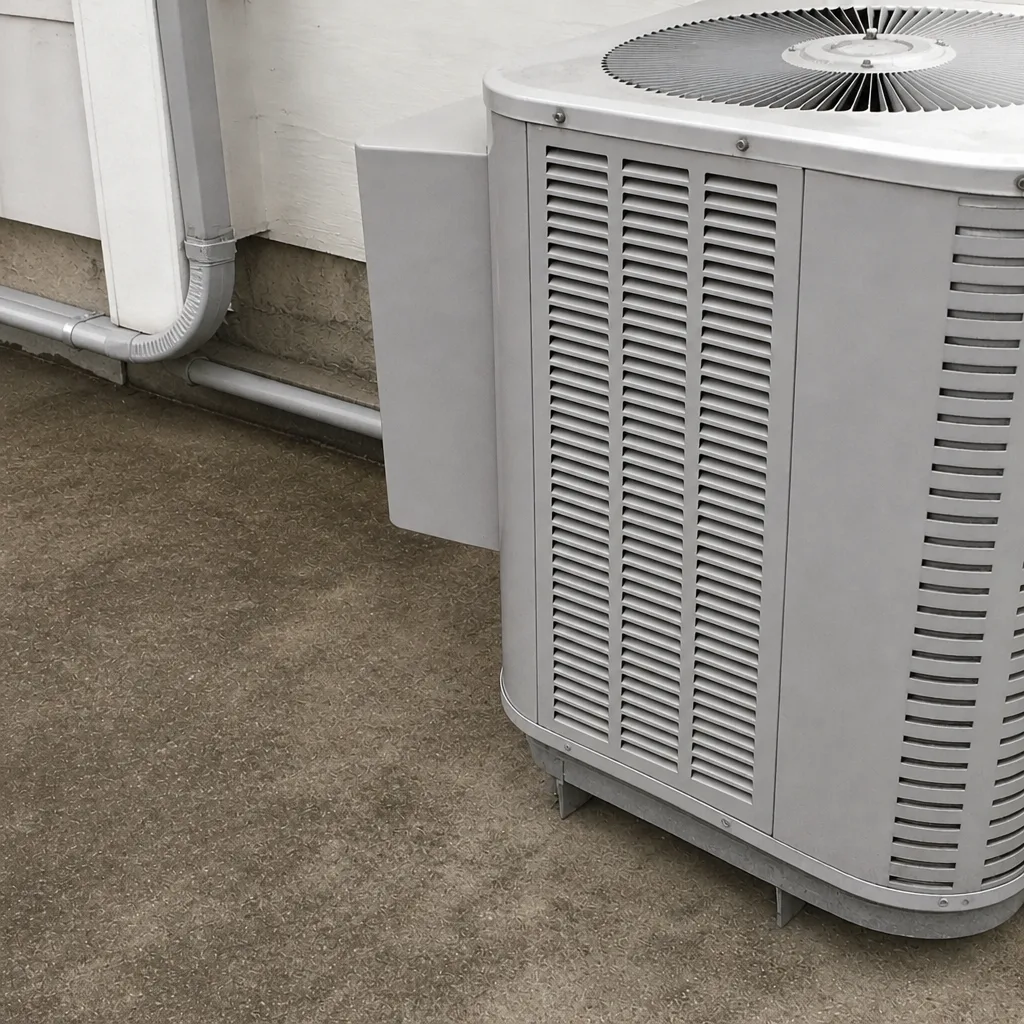
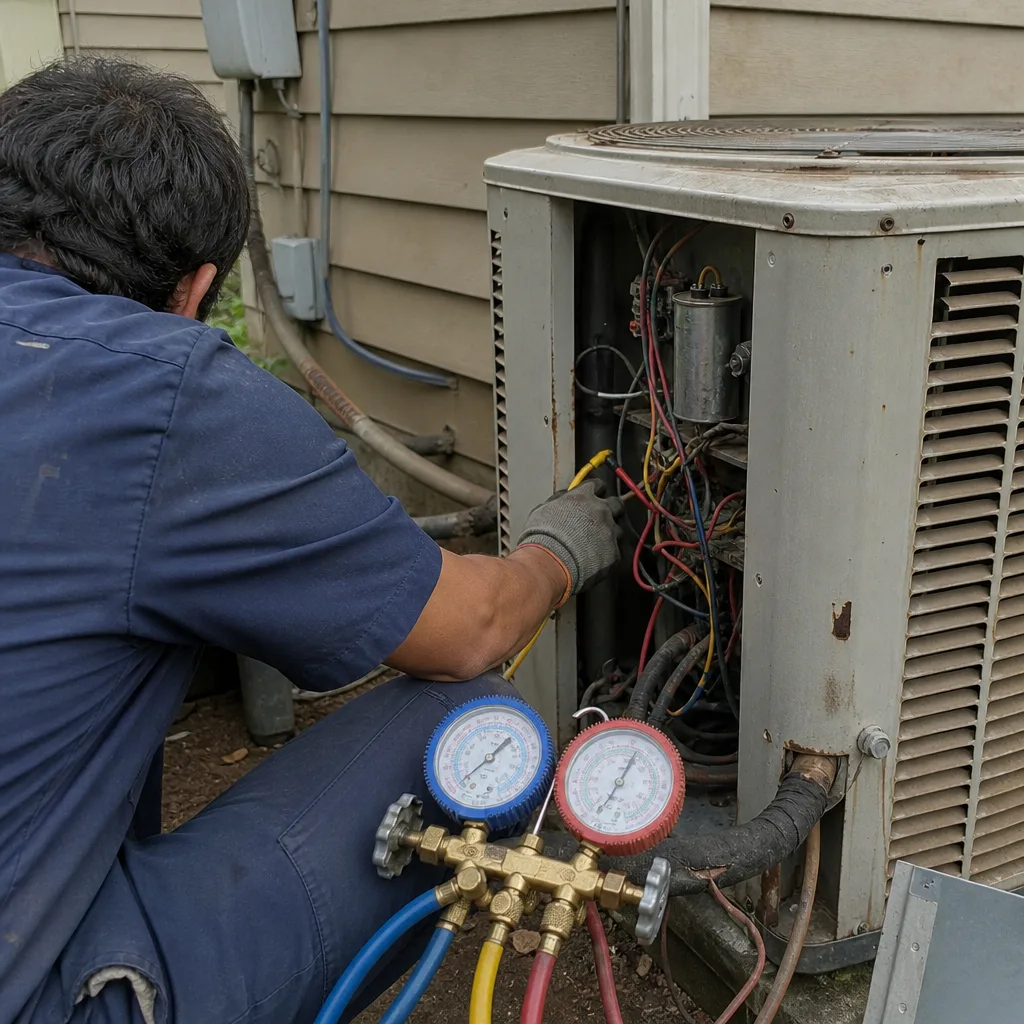
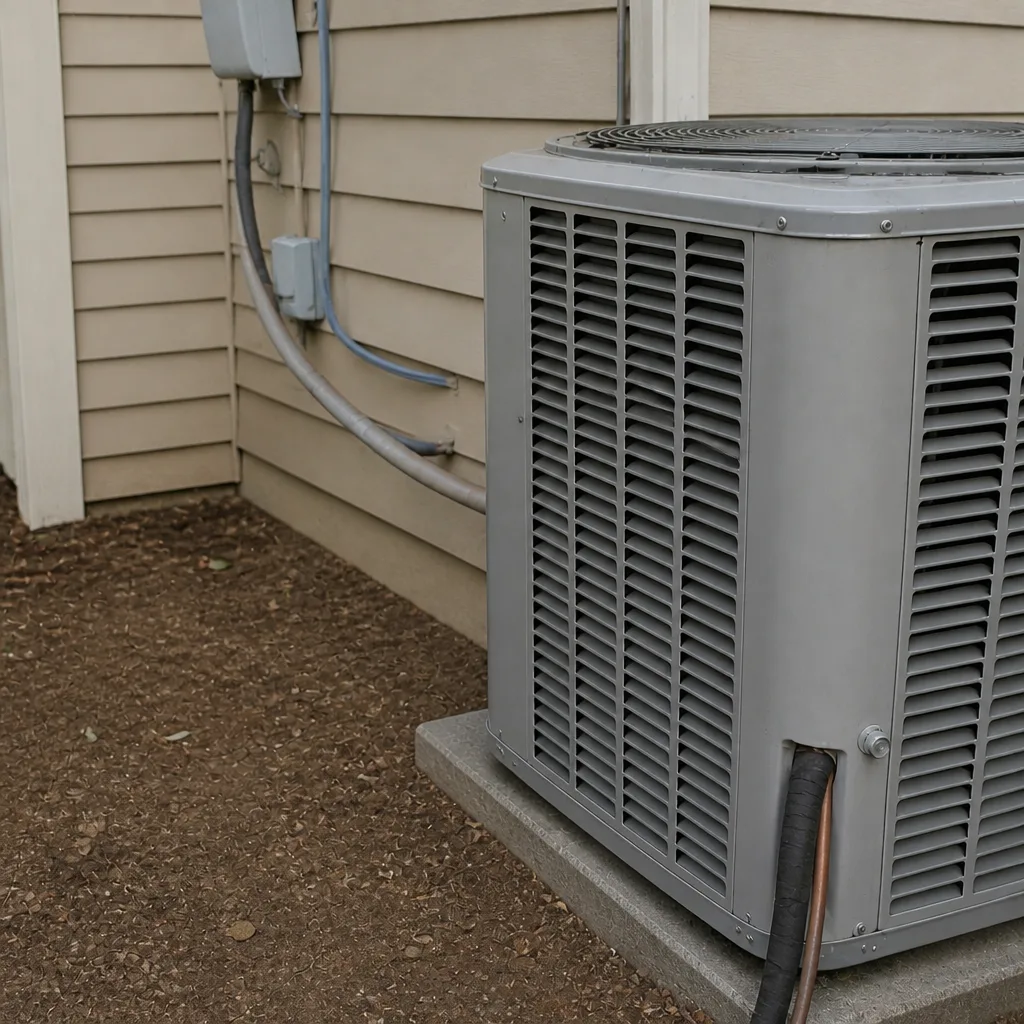
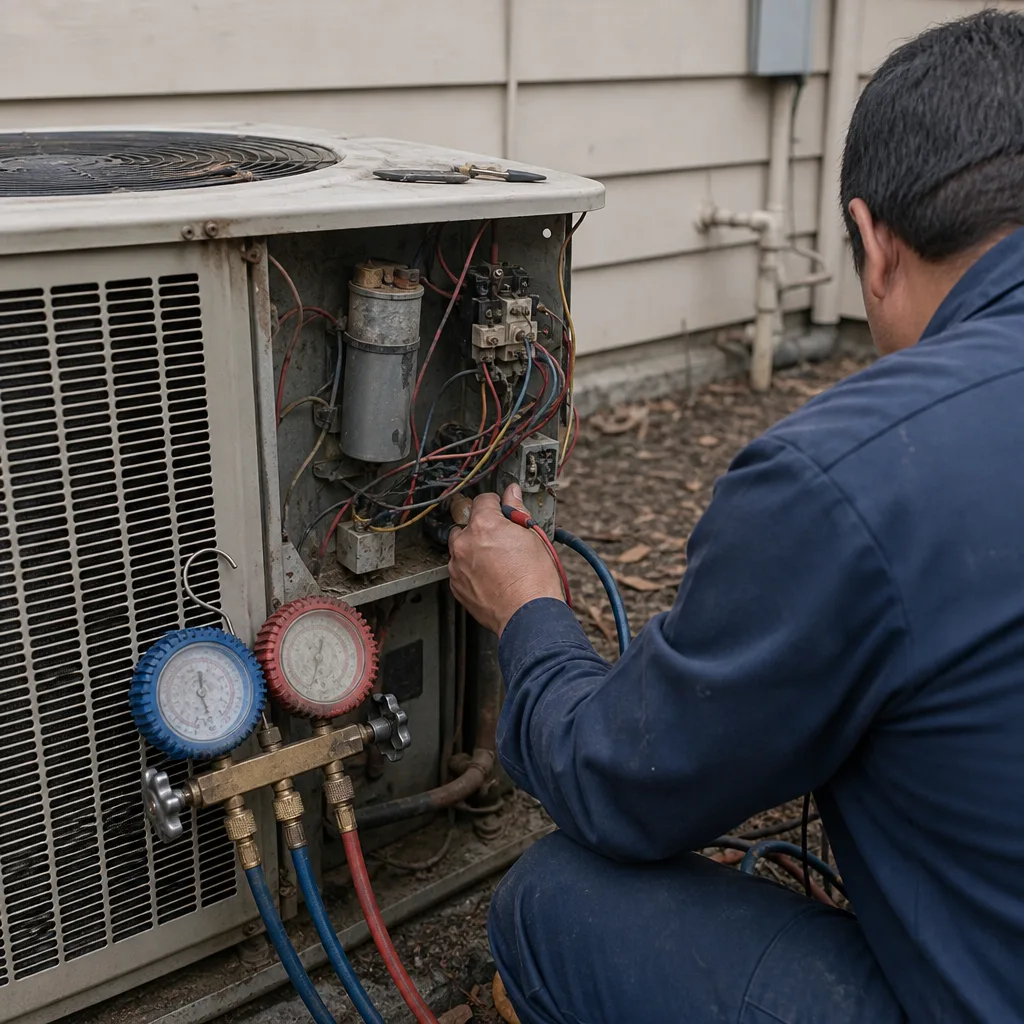
See the difference
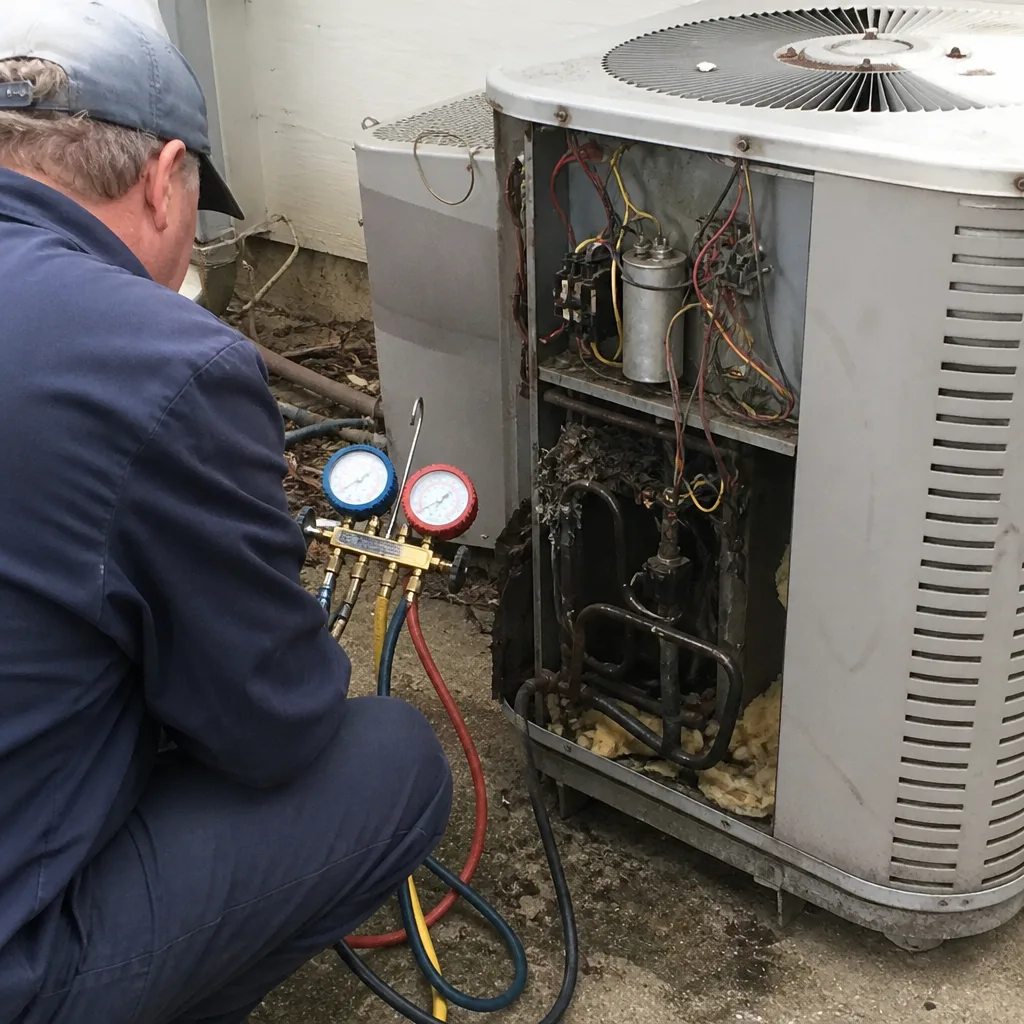 Before
 After
 Before
 After
 Before
 After
When to Call a Professional
Some HVAC work is DIY territory, and some isn’t. If you’re replacing a thermostat, changing a filter, or cleaning around the outdoor unit, that’s yours to handle. But the moment you’re dealing with a system replacement, new equipment, substantial ductwork changes, electrical connections to the HVAC circuit, or gas piping, it’s time to call someone qualified. Gas line work and electrical panel connections are genuinely hazardous – gas leaks and electrical faults are not problems to troubleshoot by feel, and the work should be done by a trained, insured professional who is accountable for the result. If you’re not sure whether a job needs a permit, that’s also a good time to make a call, because the answer shapes the quote.
Sunstone AC Repair offers free estimates in Garland, and we’ll tell you upfront whether a permit is required and what the inspection sequence will look like. Call (866) 970-7959. We answer 24/7. Fast dispatch from 7am to 7pm, Sunday through Friday.
Frequently Asked Questions
Yes, in most cases a full system replacement requires a permit and a final inspection in Garland. Like-for-like repairs generally don’t, but replacing the outdoor unit, air handler, or furnace is permitted work. Call (866) 970-7959 for an exact quote – estimates are free, and we’ll confirm the permit requirements for your project.
They can, but they shouldn’t, and the cost lands on you rather than them. A contractor who skips the permit leaves you with unpermitted work on your property record, which can complicate an insurance claim or a future sale. Ask for the permit number in writing before work begins.
Contact the Garland building department and ask for the permit history for your property address. They can tell you which permits were pulled, when, and whether they were finalized. You can also ask the contractor who did the work for the permit number and inspection record.
The work can usually be brought into compliance. A qualified contractor evaluates the existing installation, corrects anything that doesn’t meet code, and then pursues the appropriate permit to get the work inspected retroactively. It’s more involved than a standard install, but it’s better than discovering the issue during a home sale.
Energy code requirements in Texas, including the 2021 IECC baseline, set efficiency minimums that new equipment needs to meet at the time of installation. Confirm the exact requirement for your address with the Garland building department before ordering equipment, or ask your contractor to confirm it in writing.
If the system is repairable and the repair cost is a reasonable fraction of replacement cost, repair usually makes sense, and repairs typically don’t need a permit. If the equipment is at the end of its service life or failing repeatedly, replacement is the better financial decision, and it’s a permitted job. We’ll give you the honest answer either way. Call (866) 970-7959 for a free estimate.
The Bottom Line
An HVAC permit in Garland isn’t a box to check – it’s the paperwork that protects you when it matters. Repairs generally don’t need one; replacements and new work generally do; and the rough-in and final inspections catch problems while they’re still fixable. The equipment efficiency standards behind the code apply to what goes into your home, and the permit record is what proves the work was done to those standards. Ask your contractor for the permit number in writing, keep the inspection sign-off, and check the permit history before you buy or sell a home. If you’re not sure where your project lands, that’s a question worth asking before the work starts. The team at Sunstone AC Repair knows this process well, and we’re glad to walk you through it.
Written by the team at Sunstone AC Repair, serving Garland since 2018.