
Last updated November 14, 2026
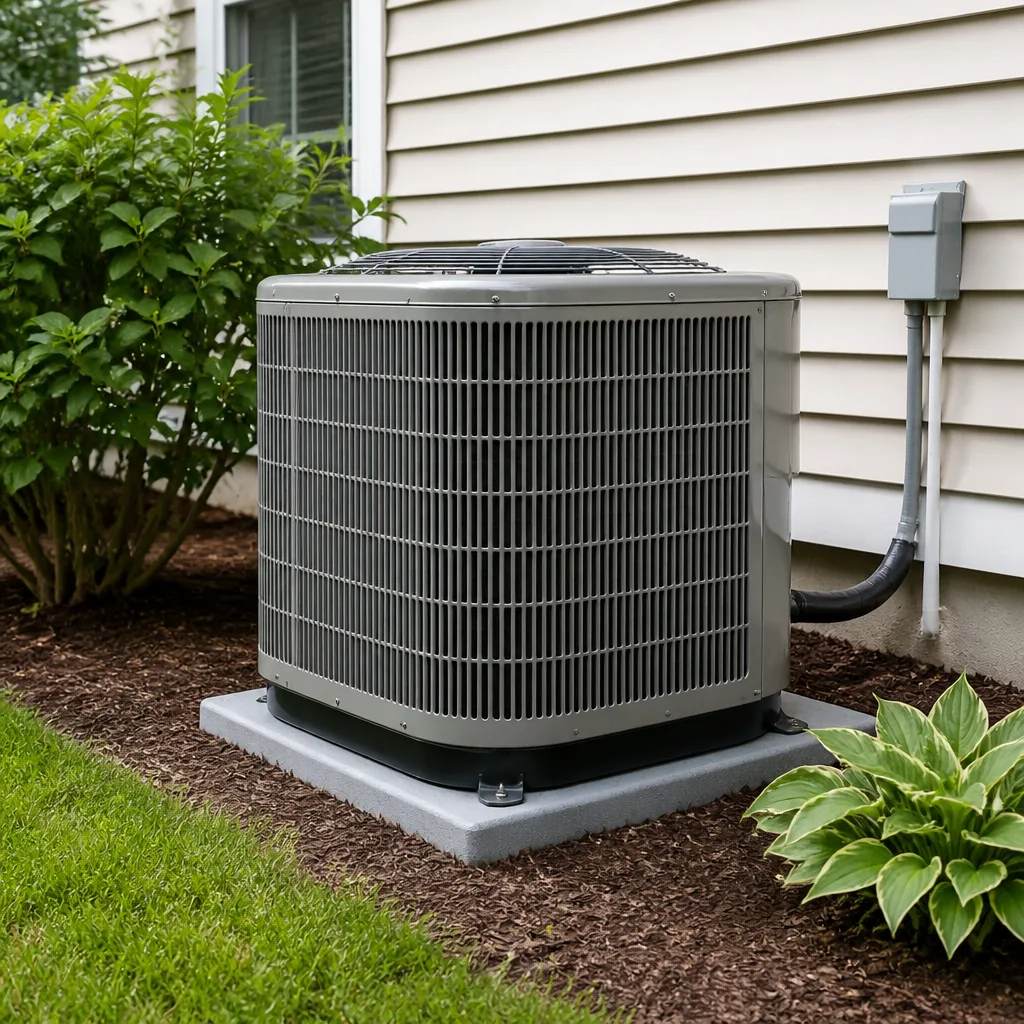 AC repair
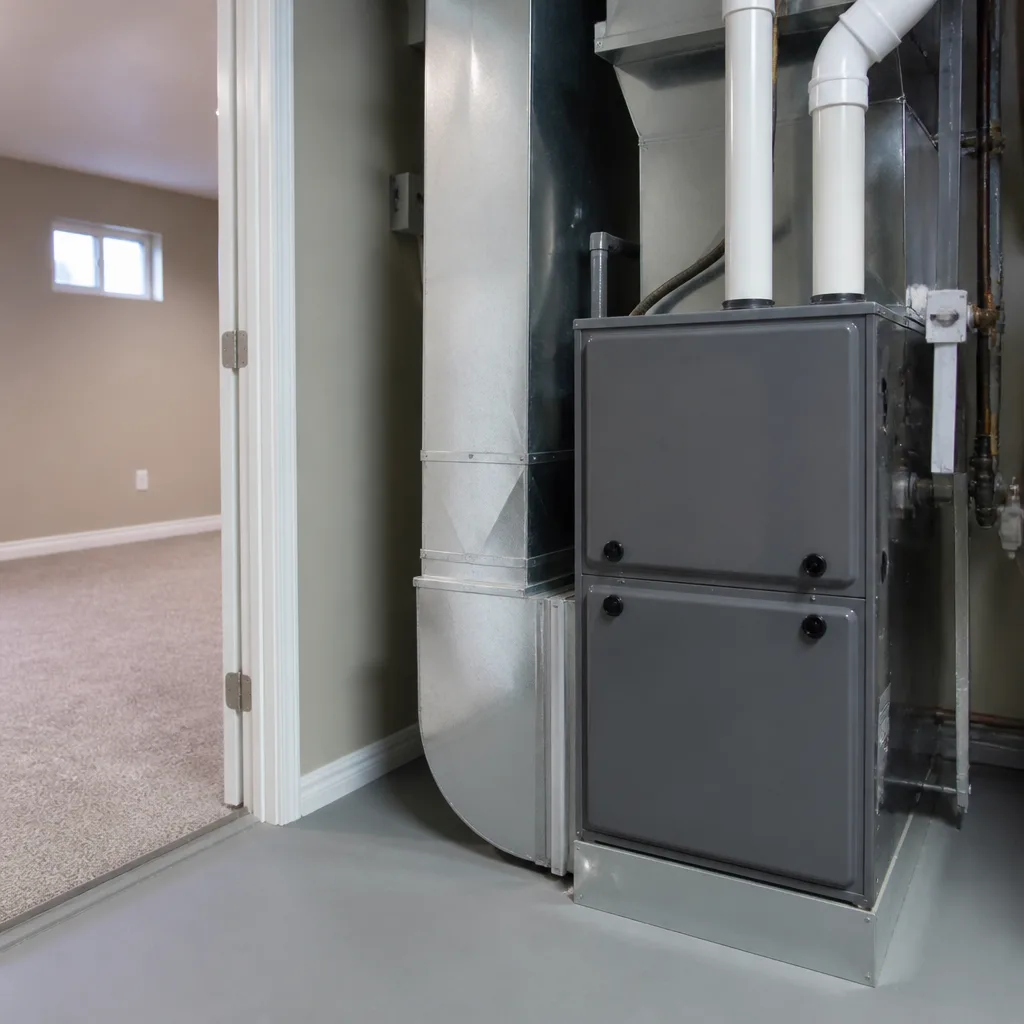 Furnace & heating
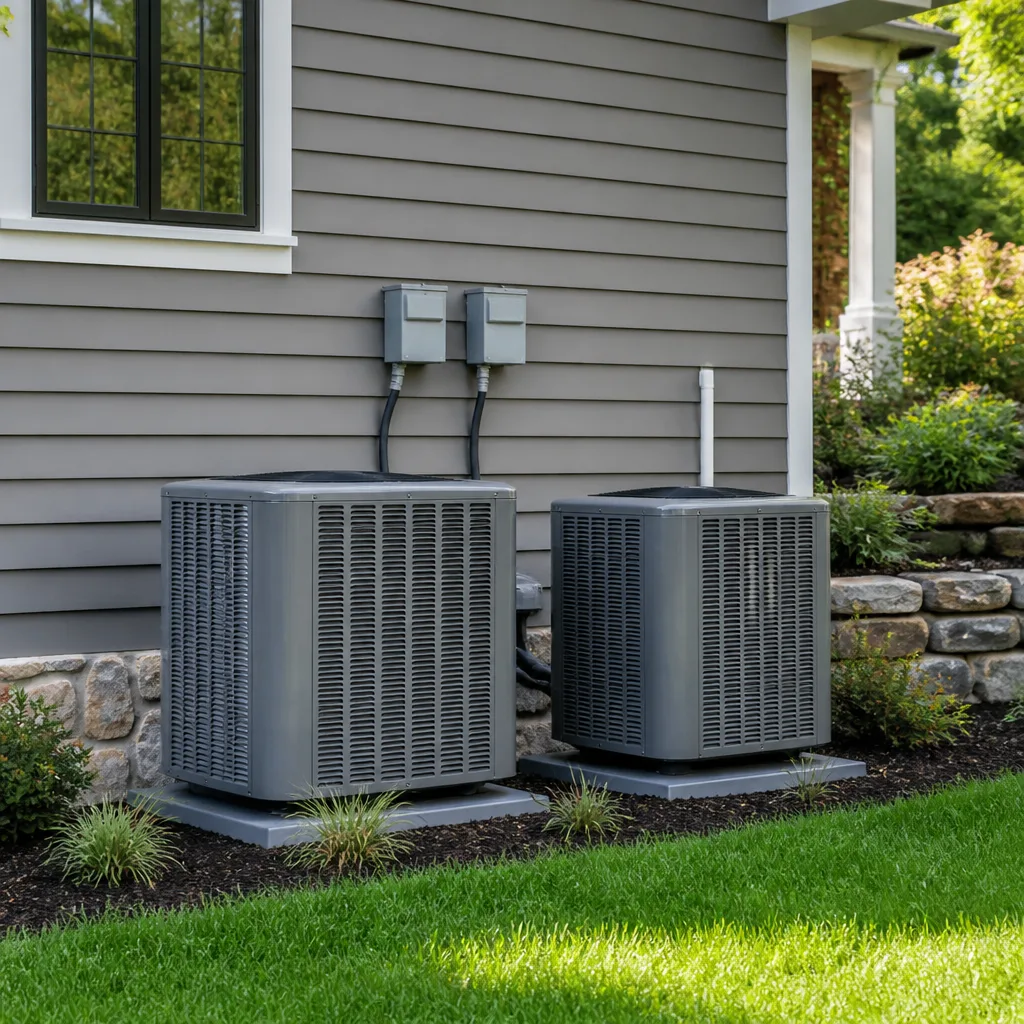 Heat pumps
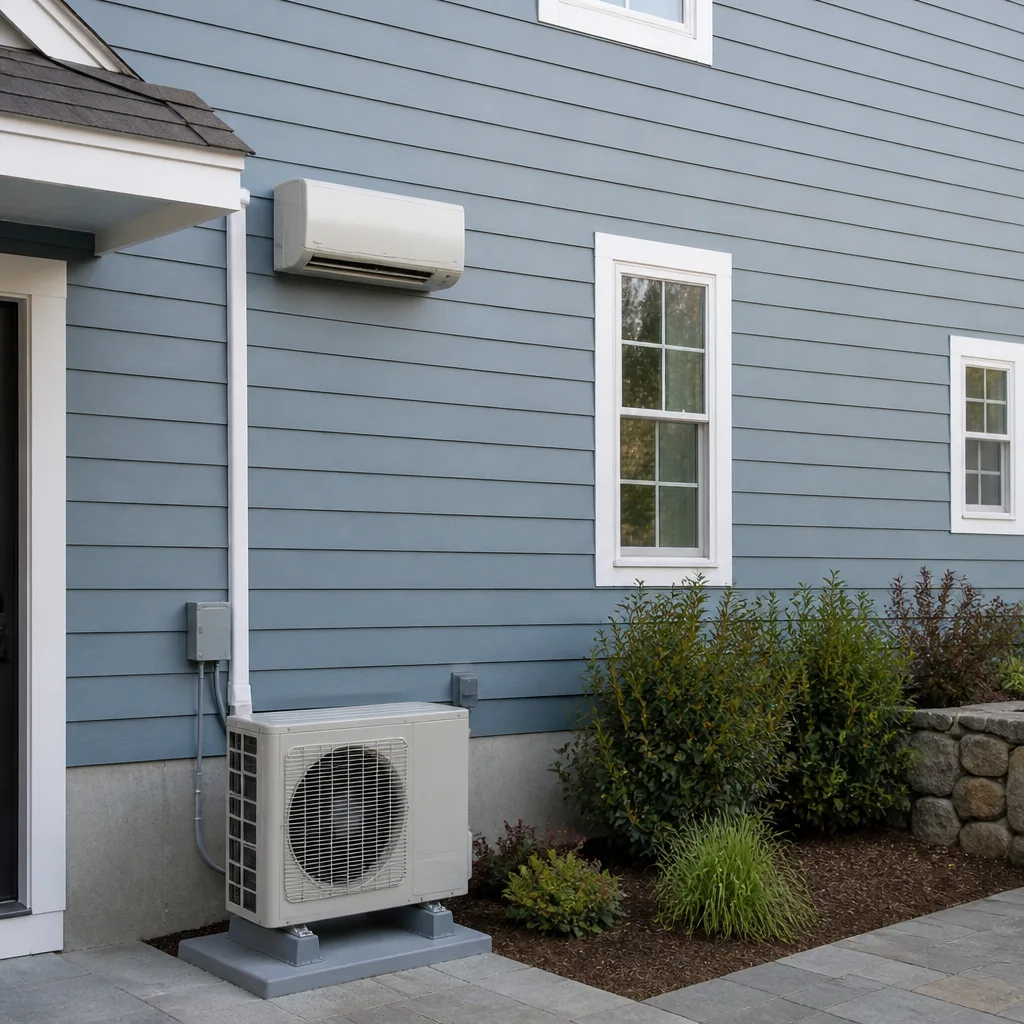 Ductless mini splits
 Carrier
 Trane
 Goodman
Seasonal tune-up and full diagnostic on your Carrier, Trane, or Goodman system - readings shown to you before any repair is proposed
Diagnosis first, numbers second - you approve the repair price before a single part goes in.
Get your free estimateHVAC Cost Breakdown: The Garland Homeowner’s Reference for 2026
Most HVAC cost guides hand you a national average and call it a day. That number tells you almost nothing about what a system actually costs to replace here in Garland. A 3-ton split system in a single-story ranch home off Belt Line Road and the same 3-ton system in a two-story house with an attic air handler are not the same job, and the labor difference between them is real money. This guide anchors every figure to the North Texas market and explains what pushes a quote toward the high or low end of a range. You’ll finish with a framework for reading quotes instead of a single number to fixate on.
Quick Answer
A full HVAC replacement in Garland in 2026 typically runs $5,200 to $11,500 for a standard residential split system, depending on tonnage, whether the air handler sits in an attic, and how much ductwork needs reworking. Repair costs range from roughly $180 for a capacitor or contactor to $1,400 or more for a compressor. The estimate that matters is the written one, because Garland labor rates, equipment availability, and refrigerant pricing all shape the final figure.
Styles & brands we work with
- AC repair
- Furnace & heating
- Heat pumps
- Ductless mini splits
- Carrier
- Trane
- Goodman
Table of Contents
- Cost by System Type in Garland
- Why the Same 3-Ton Unit Costs Different Amounts
- Refrigerant Pricing in 2026: R-410A and What Comes Next
- What Common Repairs Actually Cost
- The Cost of Waiting
- Financing and Rebate Math
- How to Read a Garland HVAC Quote
- Common Mistakes to Avoid
Cost by System Type in Garland
Garland’s housing stock runs the gamut from 1950s single-story homes near downtown to newer two-story builds out toward Lake Ray Hubbard. That spread matters because installation variables in this climate are less about heating load and more about where the equipment has to live and how hard it is to reach.
Split systems are the default here, and they’re what most Garland homeowners are replacing. A typical residential split system in 2026 runs $5,200 to $9,800 installed. Single-story homes with a closet or garage air handler cluster at the lower end. Two-story homes with an attic air handler routinely add $600 to $900 in labor complexity because of access, insulation disturbance, and the platform work involved.
Package units are less common but appear on some older Garland properties where the equipment sits outdoors on a slab. Expect $6,500 to $11,000 installed, higher when the existing pad and electrical disconnect need updating.
Heat pumps show up more often than they used to, and a full replacement with the air handler runs roughly $7,000 to $12,000 installed. If your system qualifies for utility incentives, that changes the net math considerably, which we cover below.
Three variables push any of these toward the high end in Garland:
- Attic air handler location and how much of the platform has to be rebuilt
- Whether the line set needs replacement or can be reused
- Electrical service capacity at the outdoor unit location
Why the Same 3-Ton Unit Costs Different Amounts
Here’s a question we hear often: how can one Garland contractor quote $6,200 for a 3-ton Carrier system and another quote $7,400 for what looks like the same thing? It’s a fair question, and the answer isn’t that one of them is ripping you off. It’s that the quotes aren’t actually for the same thing.
The differences usually fall into four buckets:
- Distributor relationships. A contractor who moves volume through a distributor gets better pricing on equipment. That savings may or may not reach you, and the way to tell is whether the quote breaks out equipment cost from labor.
- Warranty terms. Standard manufacturer warranties differ from extended ones. A quote that includes a 10-year parts and labor package is not comparable to one that includes a 5-year parts-only warranty. Ask what is actually covered and for how long.
- Overhead structure. A shop with a fleet, a warehouse, and full-time office staff carries more overhead per job than a two-truck operation. That’s not automatically worse, but it does explain the gap.
- Scope of work. Does the quote include a new pad, a new disconnect, a line set flush, a permit, and haul-away of the old equipment? Or is it equipment and hookup only?
When we look at a quote for a Bryant or Daikin system in Garland, we can usually tell within a few minutes where the money went. If a competing quote is unclear on any of those four points, ask. A contractor who can’t explain their own number is a contractor worth pausing on. That’s true whether you hire us or someone else.
Refrigerant Pricing in 2026: R-410A and What Comes Next
R-410A is being phased down under federal rules, and in 2026 the pricing picture is materially different than it was even three years ago. This matters most to Garland homeowners with systems installed before 2015, because that’s when most pre-phase-out equipment was still going in.
What this means in practice: if your older system needs a refrigerant recharge, the cost of R-410A itself has climbed with reduced production. A recharge that used to be a modest add-on is now a real line item, sometimes several hundred dollars depending on how much is needed and whether there’s a leak to address first.
That changes the recharge-versus-replace calculation. A few things worth weighing:
- If your system is under 10 years old and needs a small top-off with no leak, recharge usually makes sense.
- If your system is 12 or more years old and the charge is significantly low, the question isn’t just the refrigerant cost. It’s whether the leak is repairable and whether the rest of the system has enough life left to justify the spend.
- If the system uses R-22, which went out of production years ago, replacement becomes a much stronger case. R-22 is scarce and expensive.
We don’t sell refrigerant or equipment by the pound. What we do is walk through what a leak means for your specific unit and let you decide. If a recharge buys you two more summers, that’s a legitimate answer.
What Common Repairs Actually Cost
Repair pricing in Garland varies by brand and by what’s actually failed, but here’s a realistic 2026 range for the jobs that come up most. Treat these as estimates. The written quote after diagnosis is the real number.
| Repair | Typical Estimate Range |
|---|---|
| Capacitor replacement | $220 – $380 |
| Contactor replacement | $200 – $350 |
| Blower motor (indoor) | $450 – $850 |
| Condenser fan motor | $380 – $720 |
| Refrigerant recharge (small quantity) | $300 – $650 |
| Leak search and repair | $400 – $900 |
| Compressor replacement | $1,200 – $2,200 |
| Furnace ignitor or flame sensor | $180 – $420 |
| Furnace control board | $400 – $800 |
A few notes on these. Compressor pricing depends heavily on tonnage and brand; a Rheem or York compressor runs in a different range than a high-end variable-speed unit. Furnace repair in North Texas skews toward ignitors, flame sensors, and pressure switches because the heating season is short and systems sit idle for months, which sometimes means a part fails the first time it’s needed in November. And the electrical work, like the capacitor and contactor jobs above, is genuinely dangerous to attempt without training. Those components hold a charge. A technician who knows the equipment is worth the call on that alone.
For a full picture of what AC repair involves on your specific system, our service page breaks down the diagnostic process and the parts we see fail most often on each brand.
The Cost of Waiting
This is the part of HVAC cost math that homeowners underestimate. A $280 capacitor is a small repair. The compressor it protects is a $1,400 to $2,200 repair. The gap between the two is where the real cost lives.
Here’s how it usually unfolds. A system with a weak capacitor still runs, mostly. Then a Garland summer hits and the system cycles hard through a run of triple-digit days. The compressor tries to start against a bad capacitor, works harder each time, and eventually trips out on thermal overload. Sometimes the fix is still just the capacitor. Sometimes the compressor is damaged and you’re looking at a much larger repair on equipment that may already be near the end of its service life.
The same pattern shows up in furnace repair. A dirty flame sensor that causes intermittent ignition failure gets ignored through the mild months. The first cold snap arrives, the system won’t stay lit, and now you’re calling on a day when every HVAC company in Garland is slammed.
The practical takeaway: small repairs that come up in the shoulder months are worth handling then. It’s not about spending money you don’t need to spend. It’s that a small repair done early is a small repair. A deferred one sometimes isn’t.
Financing and Rebate Math
Two things compete for your attention when you’re looking at a replacement quote: a financing offer that’s already on the table, and a rebate that might be available. They’re not the same thing, and comparing them correctly matters.
Same-as-cash financing offers typically give you a window to pay off the balance with no interest. These are useful if you have the cash and just want to spread the timing. They’re a poor deal if you can’t pay it off inside the window, because deferred interest can come due retroactively. Read the terms carefully.
Utility rebates are paid after the work is complete, usually against a qualifying efficiency tier. Oncor and Garland Power & Light both run programs, but the tiers and timelines shift year to year. The sequence matters:
- Confirm what equipment qualifies before you sign a contract
- Confirm the rebate amount and the filing deadline
- Get the contractor to document the installed equipment model and efficiency rating at the time of installation
- Submit promptly, and keep copies of everything
The reason this is worth doing carefully: if you finance a system at a rebate-qualifying efficiency tier, and the rebate lands six to ten weeks later, you might pay off more of the financed balance than you planned before the rebate cash arrives. Never assume the rebate is coming until it does.
We can walk you through what we know about current incentives for the equipment you’re considering. We don’t control the utility timelines, but we can help you check the boxes the paperwork will ask for.
How to Read a Garland HVAC Quote
A quote you can’t read is a quote you can’t compare. This is the single most useful thing in this guide, so we’ll be direct: any quote you receive should be specific enough that a third party could understand it without a call.
What a good quote tells you:
- Equipment model and tonnage – not just brand, but the exact model number
- Efficiency rating – SEER2 for cooling, listed explicitly
- Warranty terms – parts, labor, and how long each
- Scope – what’s included (line set, pad, disconnect, permit, haul-away) and what’s not
- The number – total out the door, not a range
What should raise a question:
- A verbal quote with no written backup
- “Good, better, best” tier lists with no model numbers attached
- Any pressure to sign on the day of the visit
- A price that’s dramatically lower than every other quote – usually it means the scope is smaller
If you’re comparing multiple quotes and one is clearly lower, ask that contractor what’s excluded. The answer is usually informative. For a deeper look at what AC installation involves from start to finish, that page covers what a typical install day looks like.
Common Mistakes to Avoid
- Anchoring on a national average. The national number doesn’t know that your air handler is in an attic and the access requires moving insulation. Garland-specific quotes will always be more useful than national averages.
- Comparing quotes without comparing scope. A $5,800 quote and a $7,000 quote are not comparable if only one includes a permit, a new line set, and a five-year labor warranty. Compare line by line.
- Deferring a small electrical repair through the summer. A bad capacitor in May is a $280 repair. A failed compressor in August is a much larger job. The savings from waiting almost never materialize.
- Ignoring refrigerant type on an older system. If your unit uses R-22, the recharge economics are materially different than for R-410A equipment. Know what you have before you authorize a recharge.
- Assuming a rebate will offset the purchase price. Rebates are paid after the work is complete. Budget for the full amount and treat the rebate as money that arrives later.
- Hiring a contractor who can’t name your model. On a high-end Bryant or Daikin unit, brand-specific knowledge matters. A technician who only works on two of the industry’s major lines will be learning on your equipment.
- Skipping the manual J load calculation. If a contractor shows up and sizes your new system based on the old one’s tonnage without running a load calculation, ask why. Garland homes vary enough in insulation, window orientation, and attic depth that tonnage-by-eyeball is a real mistake.
See the difference
 Before
 After
 Before
 After
 Before
 After
When to Call a Professional
Some things are predictable and can be scheduled. Some can’t, and those are the ones worth calling about right away.
Call a professional if: the system stops cooling entirely, the outdoor unit trips the breaker repeatedly, the compressor is making a louder-than-usual hum without starting, the furnace cycles repeatedly without staying lit, or the system is leaking refrigerant visibly or by pressure loss. Those last two aren’t DIY projects. Refrigerant handling requires licensing, and the electrical components in your system hold a charge that can injure you.
Call also if you’re considering replacement. A written estimate is free, and a contractor who knows your equipment can tell you what the actual tradeoff is between repairing the current system and replacing it. Sunstone AC Repair offers free estimates in Garland. Call (866) 970-7959. We answer 24/7, and fast dispatch from 7am to 7pm means we can usually get a technician to you the same day.
Frequently Asked Questions
A full residential split system replacement in Garland typically runs $5,200 to $11,500 depending on tonnage, air handler location, and ductwork scope. Two-story homes with attic air handlers sit toward the top of that range because of the additional labor. Call (866) 970-7959 for a free written estimate on your specific system.
Most common repairs – capacitors, contactors, blower motors, refrigerant issues, ignition components – can typically be handled in a single visit. We answer 24/7 and fast dispatch from 7am to 7pm gives us a strong shot at same-day service. Call (866) 970-7959 and we’ll confirm availability for your address.
The answer depends on age, refrigerant type, and what’s actually failed. A system under 10 years old with a single failed component is almost always worth repairing. A system 15 or more years old with a compressor failure is usually a replacement decision. Call (866) 970-7959 – we’ll give you an honest assessment and you can decide from there.
Most cities require a permit for HVAC replacement, and Garland is no exception in the general sense. Ask your contractor directly whether the permit is included in the quote – a good one will have a clear answer. We include permitted work in our written estimates. Call (866) 970-7959 to walk through what your project will need.
Repairs run from about $180 for a small electrical component to $1,400 or more for a compressor. Replacement runs from about $5,200 to $11,500 depending on system type and installation variables. The crossover point where replacement becomes the better investment is usually tied to system age and refrigerant type. Call (866) 970-7959 to talk through your specific situation.
We work on nine of the most-installed residential brands: Carrier, Trane, Lennox, Goodman, Rheem, York, Daikin, Bryant, and American Standard. That means when your technician arrives, they already know your unit’s common failure points. Call (866) 970-7959 – if your brand isn’t on the list, we’ll tell you straight so you can find the right specialist.
The Bottom Line
The right framework for HVAC costs in Garland is specific to Garland, specific to your home, and specific to your equipment. National averages miss the attic air handler, the line set condition, and the refrigerant type that define your actual project. Three things to take away: get everything in writing and compare line by line, handle small component repairs before they become larger ones, and understand that rebate timing and financing terms are separate decisions from the equipment quote itself. For equipment from Carrier, Trane, Lennox, Rheem, York, Daikin, Bryant, or American Standard, we diagnose the problem and give you a straight answer on repair versus replace. Free estimates, written pricing, and a technician who knows your unit before they open the panel. Call (866) 970-7959 for a free estimate.
Written by the team at Sunstone AC Repair, serving Garland since 2018.