
Last updated November 14, 2026
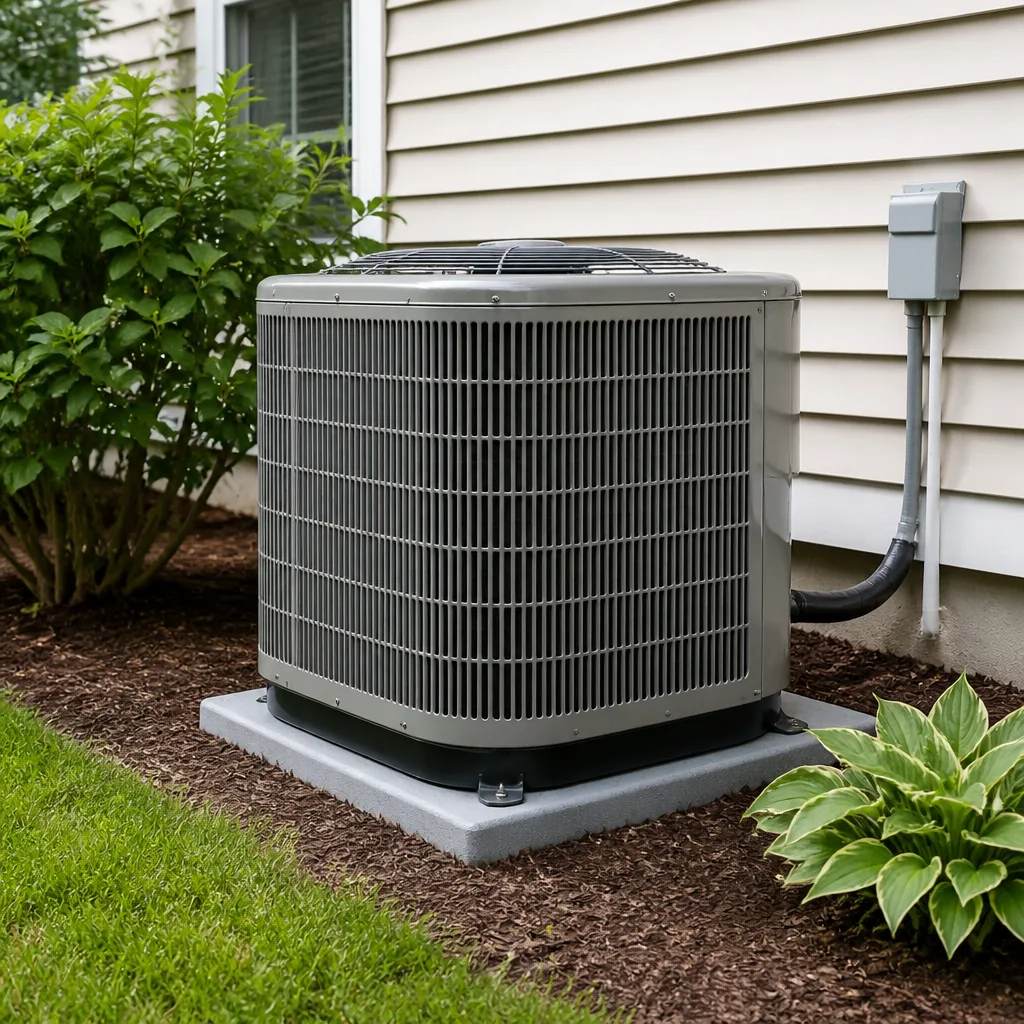 AC repair
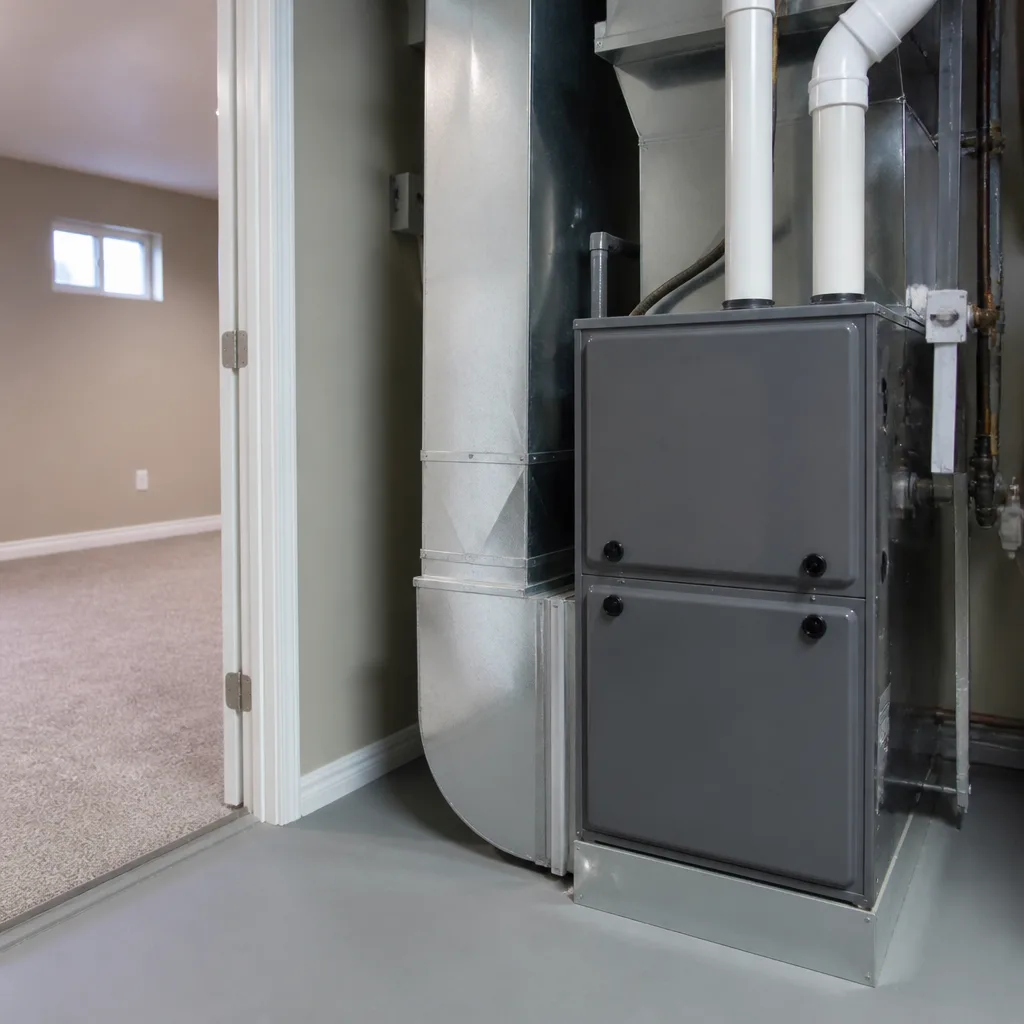 Furnace & heating
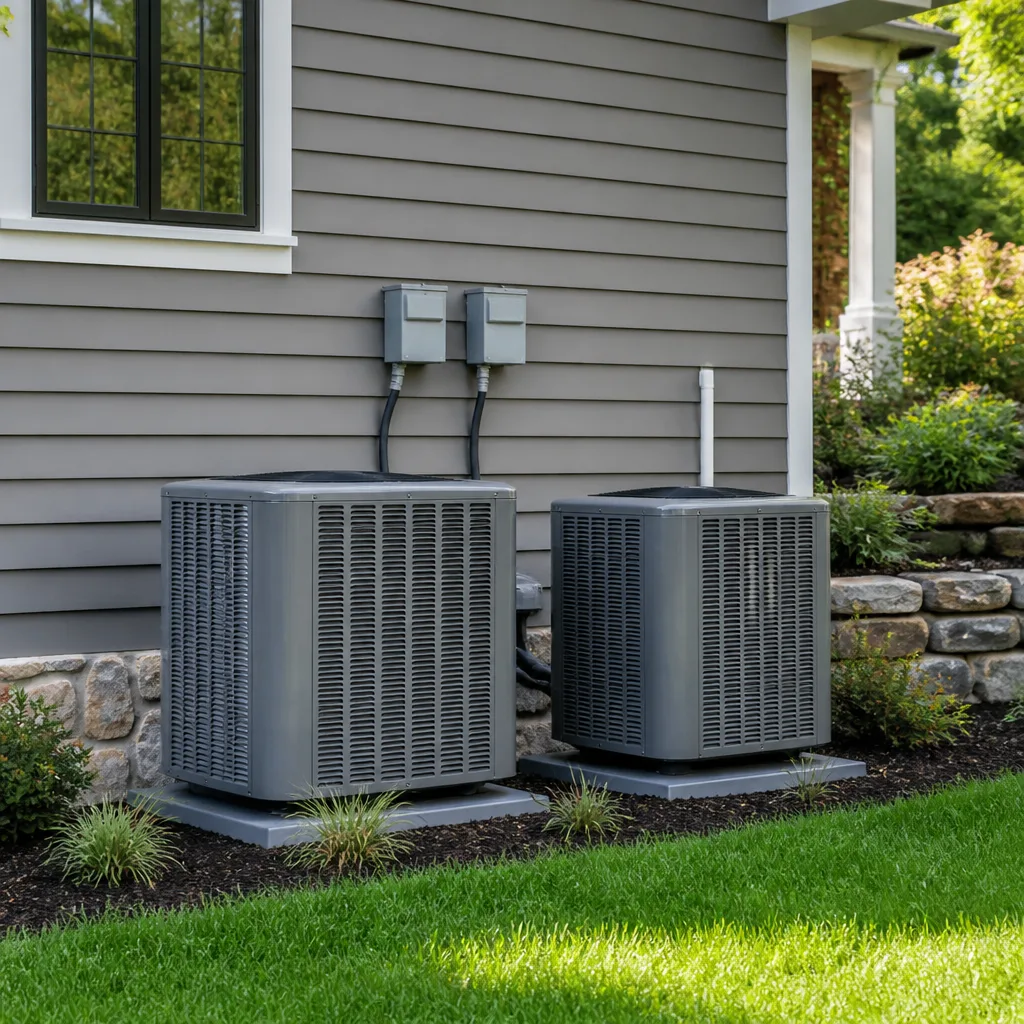 Heat pumps
 Ductless mini splits
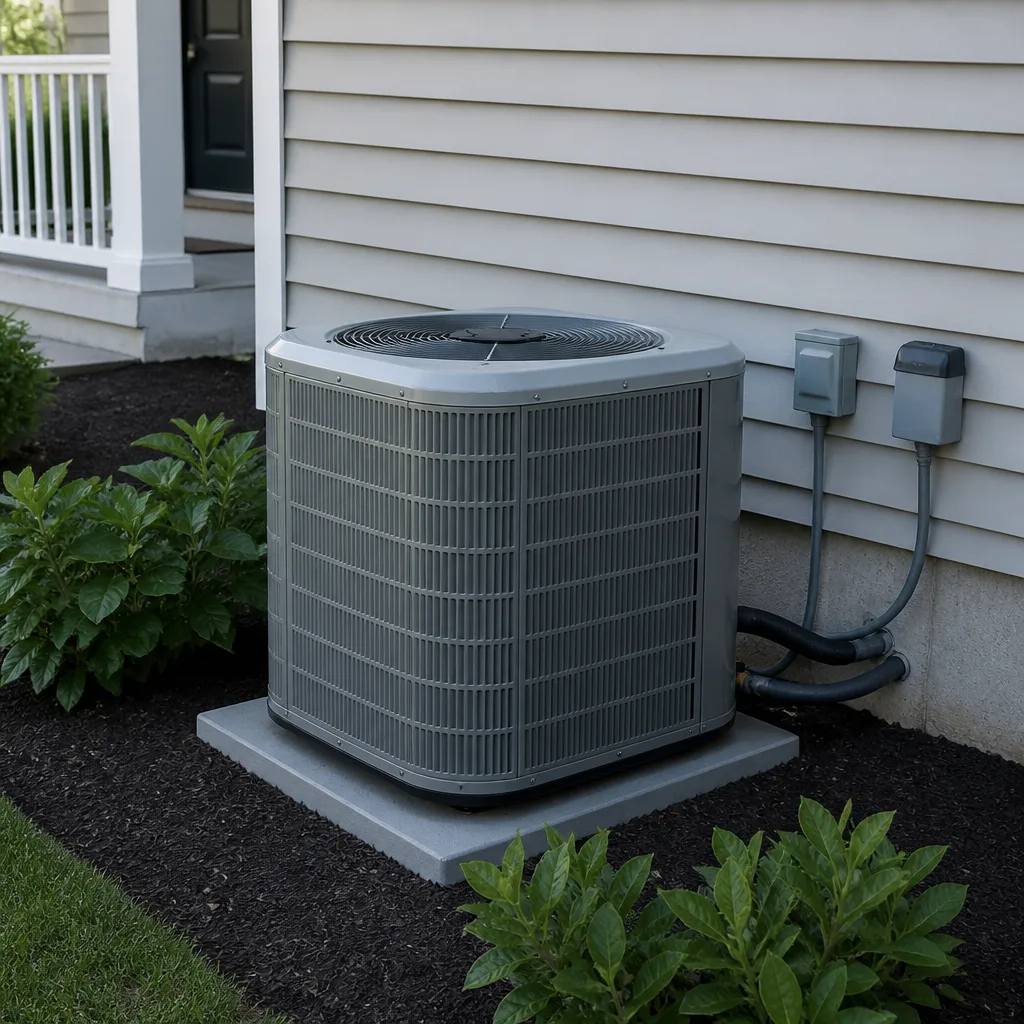 Carrier
 Trane
 Goodman
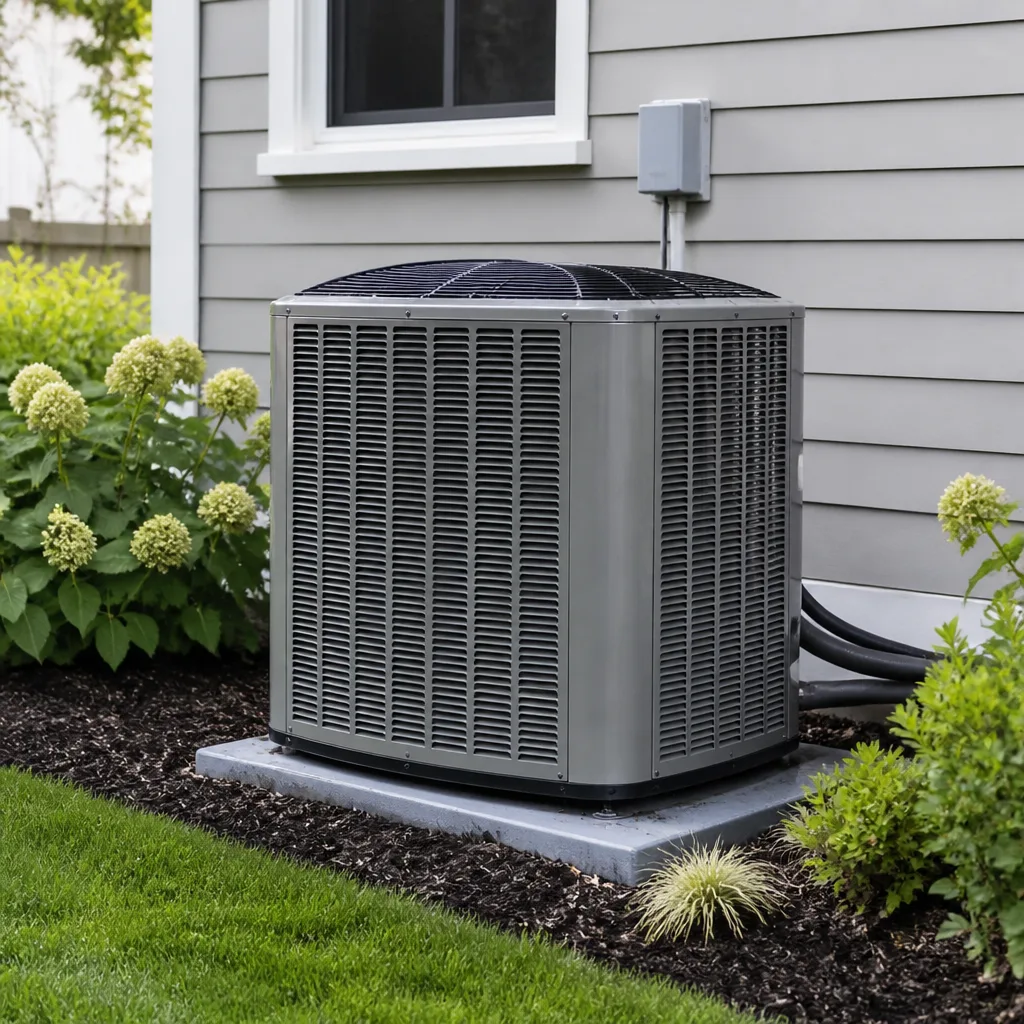
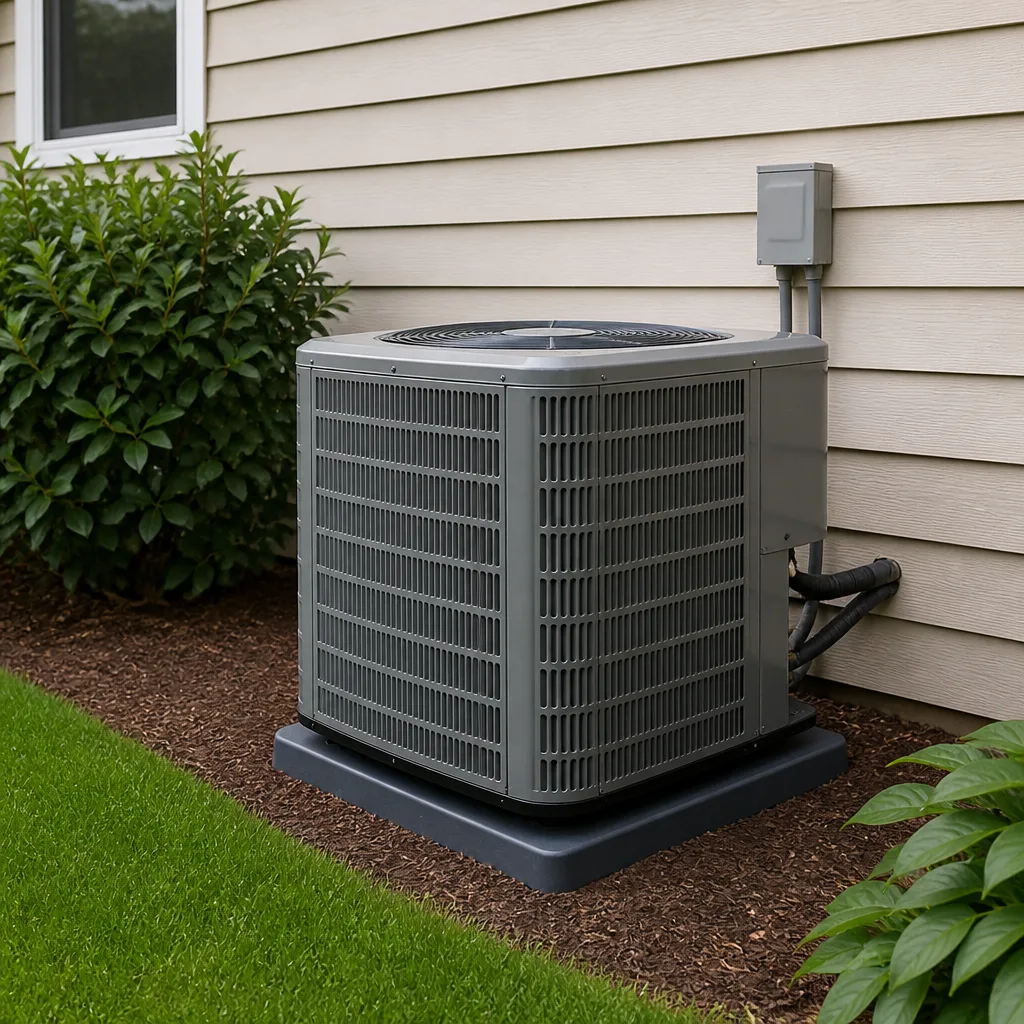
Seasonal tune-up and full diagnostic on your Carrier, Trane, or Goodman system - readings shown to you before any repair is proposed
Diagnosis first, numbers second - you approve the repair price before a single part goes in.
Get your free estimateAC Repair Maintenance Checklist for Garland Homeowners
The number-one reason Garland AC systems fail in July isn’t age or refrigerant. It’s a clogged secondary drain line that a homeowner could have cleared with a wet-vac in March. Most maintenance checklists floating around the internet are written for a generic hot climate and skip the variables that actually cause early failures here: humid springs that feed algae growth in drain pans, long 90°F+ streaks that stress capacitors and contactors, and particulate load that’s heavier in neighborhoods near the President George Bush Turnpike and the I-30 corridor. This guide is built around those specific failure patterns. We’ve organized it by what you can safely observe yourself versus what requires instruments, so there’s no guesswork about scope. You’ll learn month-by-month drain timing, how to read your indoor coil for early frost, what a capacitor and contactor inspection looks like, how to choose a MERV rating for a Garland home, and the pre-season outdoor coil cleaning method that goes well beyond a garden hose.
Quick Answer
A Garland homeowner’s yearly AC maintenance checklist should cover four things: flushing the condensate drain line before the humid spring algae window, changing the filter at the right MERV rating for your neighborhood’s particulate load, checking the outdoor coil for debris and rinsing it properly, and visually inspecting the capacitor and contactor at the disconnect for swelling or pitting. Schedule the drain flush in March, the coil cleaning in April, and a professional check before the first 90°F stretch. Everything else in this guide is detail – the four above are the ones that prevent the most common July breakdowns in Garland.
Styles & brands we work with
- AC repair
- Furnace & heating
- Heat pumps
- Ductless mini splits
- Carrier
- Trane
- Goodman
Table of Contents
- Why Garland’s Climate Wears AC Systems Differently
- The March Drain Flush: Timing Matters in North Texas
- Choosing the Right Filter and MERV Rating for Your Home
- Reading Your Indoor Coil for Early Frost
- Capacitor and Contactor: What You Can Safely Check
- Pre-Season Outdoor Coil Cleaning (Beyond the Garden Hose)
- What a Professional Maintenance Visit Actually Covers
- Common Mistakes to Avoid
- When to Call a Professional
- Frequently Asked Questions
Why Garland’s Climate Wears AC Systems Differently
Garland sits in a pocket of North Texas where two weather patterns collide in ways that age air conditioning equipment faster than the national average. Springs here run humid, with long stretches of warm, saturated air that feed biological growth inside drain pans and lines. Summers arrive fast and stay long, with 90°F+ streaks that push a system into near-continuous duty for weeks. That combination – wet springs and dry, punishing summers – produces a specific failure pattern. First, drain lines clog with algae in May or June. Then, capacitors and contactors see more thermal cycling than they’d get in a shorter season. By July, when a Garland homeowner calls for AC repair, the underlying causes usually trace back to one of those two things.
Housing stock matters too. Garland has a wide mix of construction eras, from older neighborhoods closer to downtown Garland to newer subdivisions out near the PGBT. Homes built in different decades have different duct designs, different refrigerant types, and different equipment ages. A Trane system from the mid-2000s and a Goodman installed five years ago will fail in different ways. That’s part of why we’re fluent across nine major brands – Carrier, Trane, Lennox, Goodman, Rheem, York, Daikin, Bryant, and American Standard – so we arrive already familiar with your unit’s known failure points rather than guessing.
What competitors often miss is that “hot climate maintenance” advice written for Phoenix or Las Vegas doesn’t translate here. Garland’s humid springs are the wildcard. Systems in Phoenix dry out between seasons. Systems in Garland don’t get that break, which is why drain maintenance is the top priority on this checklist, not an afterthought.
The March Drain Flush: Timing Matters in North Texas
Your AC creates condensate every time it runs. That water has to leave the system through the primary drain line, and if it backs up, the secondary line catches it – and dumps it somewhere visible so you notice. When the secondary line also clogs, water backs into the drain pan and eventually the ceiling or the closet floor. In Garland, the algae that cause these clogs start growing in earnest as soon as the humid spring air arrives, usually sometime in March or early April. Flushing before that window opens buys you the whole summer.
Here’s a month-by-month timing guide for North Texas that we’ve refined from years of local service calls:
- Late February: Locate your primary drain line’s cleanout cap (usually near the indoor air handler or at the exterior wall). Confirm the cap is accessible and not painted shut.
- Early March: Pour a cup of white vinegar or a commercial pan-treatment tablet into the drain pan to slow algae growth before the humid air arrives. This is preventive, not a fix.
- Mid-March to early April: Give the primary line a wet-vac flush. Attach the hose to the exterior drain termination and run the vacuum for 30 to 60 seconds. If water pulls through freely, you’re clear for the season.
- Late May: Repeat the wet-vac flush once the system is running daily. This catches the first algae bloom before it thickens.
- Mid-July: One more flush mid-summer. If you skipped March, this is your catch-up point.
- October: Final flush of the year, then a pan treatment tablet to hold growth down over winter.
If you have a float switch on the secondary line (many Garland systems do), test it once a season by lifting the float and confirming the system shuts off. A float switch that’s stuck will not save you from the overflow it was installed to prevent. If your drain line is hard to reach or you can’t find the exterior termination, a maintenance visit will map it for you and leave you a note on where to flush next time. The wet-vac method works for most standard configurations, but if you have a condensate pump rather than a gravity drain, don’t pull a vacuum through the pump – that requires a technician.
Choosing the Right Filter and MERV Rating for Your Home
The filter question comes up constantly, and the honest answer is that higher MERV isn’t always better. MERV ratings describe how well a filter catches particles of a given size. A MERV 13 catches more pollen and fine dust than a MERV 8, but it also restricts airflow, and restricted airflow is one of the most common causes of premature compressor wear in Garland. The right rating depends on your equipment and your neighborhood’s particulate load.
Garland has meaningful variation here. Homes near the President George Bush Turnpike or the I-30 corridor sit closer to heavy traffic and see higher fine-particle concentrations, which sometimes justifies a step up in filtration if the equipment can handle it. Homes in quieter residential pockets often do fine with a standard pleated filter. Either way, the filter’s job is to protect the equipment, not to filter every particle out of the room air – that’s a separate air-quality conversation.
- MERV 6-8: Standard pleated filters. Good protection for the equipment, low airflow restriction. Right choice for most Garland homes with 1-inch filter slots.
- MERV 11: A reasonable step up for homes near the PGBT or I-30 with visible dust issues. Confirm the equipment’s static pressure can handle it.
- MERV 13: Higher filtration, more airflow restriction. Usually requires a 4-inch or 5-inch media cabinet rather than a 1-inch slot. Don’t drop a MERV 13 into a 1-inch slot without a technician’s OK.
- MERV 16 and above: Hospital-grade. Not appropriate for standard residential equipment without a system designed for the restriction.
Change frequency depends on the load. In Garland, during pollen season and long cooling runs, a 1-inch filter typically needs changing every 30 to 60 days. A 4-inch media filter can go 6 to 12 months. Check your filter at the start of every month during the cooling season – if you hold it up to a light and can’t see through it, it’s overdue. Write the install date on the filter frame with a marker. That single habit prevents most of the “why is my system running but not cooling” calls we see in July.
Reading Your Indoor Coil for Early Frost
If you can see your indoor coil (usually accessible through the air handler cabinet or through a sight glass if your system has one), you have a diagnostic tool most homeowners don’t know they have. Frost or ice forming on the indoor coil is a signal, not a problem in itself. The two most common causes are restricted airflow (a dirty filter, a closed damper, a crushed flex duct) and low refrigerant charge. Catching frost early – before the compressor runs for days under stress – can be the difference between a filter change and a compressor replacement.
What to watch for, in order of severity:
- Light, even frost on the lower part of the coil: Usually airflow restriction. Check the filter first, then look for closed supply registers or a collapsed return duct. This is often a homeowner-fixable issue.
- Frost that spreads across the whole coil face: Could be low refrigerant or a metering device issue. Stop running the system in cooling mode and call for service.
- Ice on the refrigerant lines outside at the condenser: This is a strong sign of low charge. Turn the system off and call. Running it frozen will damage the compressor.
- Frost combined with a hissing or bubbling sound: A refrigerant leak is likely. Stop the system and call a technician.
The frost pattern itself tells a story. If the frost clusters around one part of the coil while the rest is clear, the airflow problem is probably on the supply side – a single restricted branch. If frost builds uniformly from top to bottom, the whole system is starved for air or refrigerant. In our experience, Garland systems with flex duct routed through hot attics are more likely to develop pressure issues that show up as coil frost. If you see frost and you’re not sure whether it’s a filter or a refrigerant problem, pull the filter, replace it, and watch the coil for another hour of running. If frost returns, stop and call.
Capacitor and Contactor: What You Can Safely Check
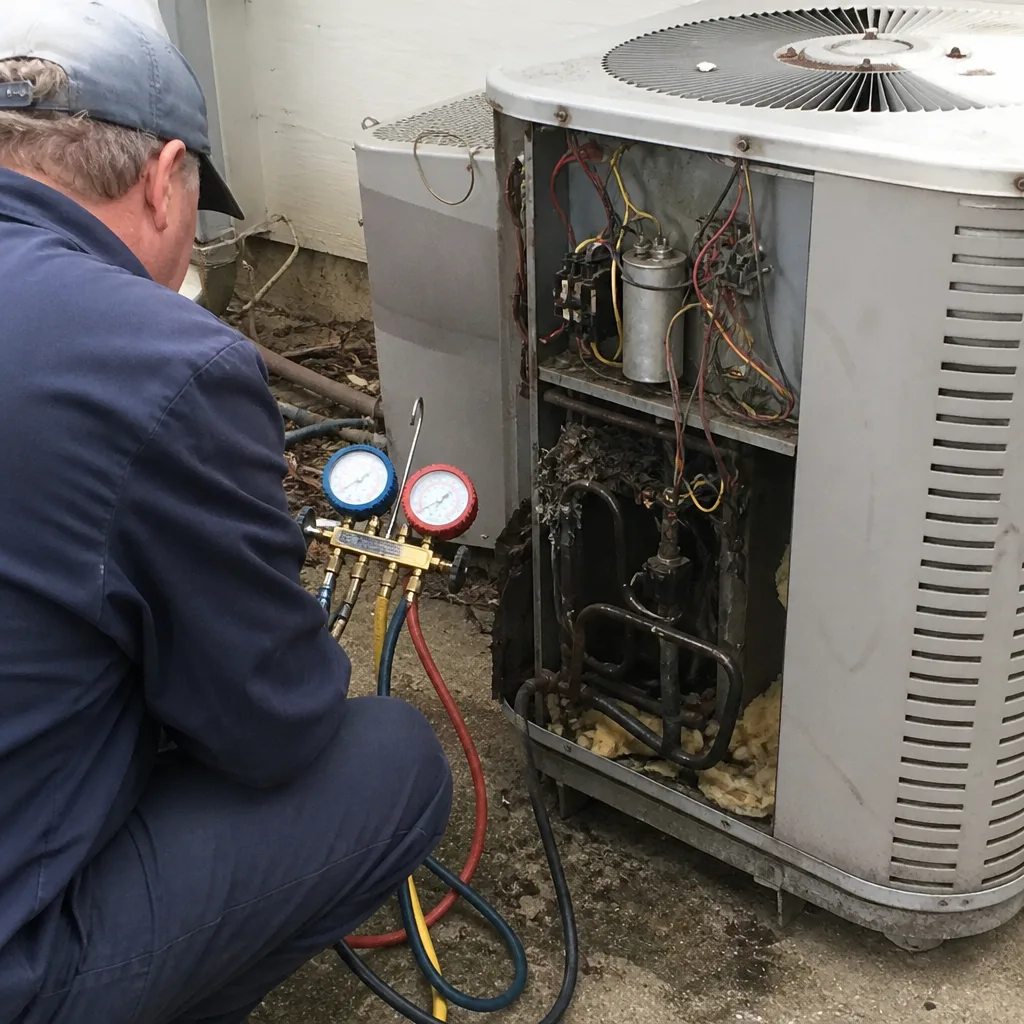
Inside the outdoor condenser cabinet, behind the service panel, sit two components that fail more than any others on Garland systems: the run capacitor and the contactor. Capacitors provide the starting and running torque for the compressor and fan motor. Contactors are the relays that switch the system on and off. Both can be inspected visually without touching anything live, and a homeowner can safely identify the signs that mean “call now.” This is a look-only inspection. Never open the electrical panel or touch any component with the power on, and never try to test or replace a capacitor yourself – stored charge can deliver a serious shock even after the disconnect is pulled. If something looks wrong, shut the breaker off and call a technician.
Here’s what to look for, with the power off at the breaker:
- Locate the disconnect: The service disconnect is usually a pull-out block or a breaker box mounted on the exterior wall near the condenser. Pull the disconnect or switch the breaker off. Confirm the outdoor unit is fully off before proceeding.
- Remove the service panel screws: Most units have four to six screws holding the access panel over the electrical compartment.
- Inspect the capacitor body: A healthy capacitor is a clean cylinder with a flat top. Signs of failure: bulging top, leaking oil residue, or visible burn marks. Any of those means call a technician before turning the system back on.
- Inspect the contactor: The contactor is a small block with a movable plate. Look for pitting, blackening, or melted plastic around the contact points. Lightly pitted contacts may still work but are on their way out. Severe pitting, melted housing, or a buzzing sound when the system runs all point to replacement.
- Check for insect intrusion: Ants and roaches are common in Garland condensers and can bridge the contactor contacts, causing intermittent starts. If you see insect activity inside the panel, that’s a service call.
- Reinstall the panel and restore power: If everything looks clean and flat, put the panel back and restore the breaker.
The exact signs that mean call now: bulging capacitor top, oil on the capacitor body, black scorching on the contactor, melted plastic, a burnt smell inside the cabinet, or the system tripping the breaker immediately after you restore power. Do not reset the breaker a second time if it trips. Breaker trips from a condenser are one of the clearest signs of a failing compressor or a shorted component and can escalate quickly.
Pre-Season Outdoor Coil Cleaning (Beyond the Garden Hose)
Rinsing your outdoor coil with a garden hose in April is a good habit, but it doesn’t clean the coil. The condenser coil is a dense fin pack, and the dust, pollen, and cottonwood that collect in it bind to the aluminum fins in ways water alone won’t lift. In Garland, cottonwood season in spring and the heavy pollen load that follows are the two events that matter most for coil fouling. A proper pre-season cleaning removes that buildup before the first 90°F stretch, when the system needs maximum heat rejection.
The homeowner-safe method that actually works:
- Kill the power at the disconnect and confirm the outdoor fan is not spinning before you start.
- Remove the top grille and fan assembly on top-discharge units (four to six screws; the fan lifts out with the grille attached). Set it aside on a clean surface.
- Vacuum the fin face from the outside in with a shop vac fitted with a brush attachment. Work top to bottom in overlapping strokes. This loosens the bulk of the debris.
- Use a coil cleaner designed for aluminum fins. Apply a foaming no-rinse coil cleaner per the label, let it dwell the recommended time, and rinse thoroughly with a hose from the inside out if accessible, or from the outside in at a shallow angle if it isn’t. Never use a pressure washer – it will bend the fins flat.
- Straighten bent fins with a fin comb if you have one. Flattened fins block airflow and cost efficiency.
- Clear the pad and surrounding area of leaves, grass clippings, and any vegetation within about two feet of the coil. Airflow into the coil is as important as airflow through it.
- Reinstall the fan and grille, restore power, and check that the fan spins cleanly with no wobble.
What warrants a technician: if the coil is packed with cottonwood seed that won’t lift with a coil cleaner, if you see oil residue on the coil face (a sign of a refrigerant leak), or if the unit is a Lennox or Rheem model with a coil design that requires the refrigerant circuit to be isolated for cleaning. Some configurations are simply not homeowner-friendly, and forcing it risks damage. For those, a maintenance visit will get the coil properly clean without risk to your equipment.
What a Professional Maintenance Visit Actually Covers
A professional maintenance visit does things a homeowner cannot: it measures refrigerant charge, tests electrical components under load, checks static pressure across the air handler, and evaluates the whole system as a unit rather than as a list of parts. That last piece is where experience with specific brands matters. A technician who knows Trane equipment goes straight to the known failure points; the same with Lennox, Goodman, and Rheem. That kind of model-specific familiarity is what shortens a diagnosis and often prevents a return visit.
Here’s what a proper maintenance visit should include, and what to ask about:
- Refrigerant charge verification using superheat or subcooling measurements, not just pressure gauges.
- Capacitor testing under load with a meter, not just a visual inspection.
- Contactor and electrical connection inspection, with torque checks on the lugs.
- Condensate drain flush and float switch test.
- Blower motor amp draw and belt inspection (if belt-driven).
- Temperature split across the coil to confirm the system is actually cooling as designed.
- Static pressure reading to confirm ductwork isn’t choking the system.
- A written report of what was found, not a verbal summary.
A visit like that takes a couple of hours. It’s worth it once a year, ideally in late April or early May before the first heat wave. What it’s not worth is a visit where nothing is actually measured – if a technician only glances at the system, sprays the coil with a hose, and hands you an invoice, you didn’t get a maintenance visit. Ask for the written report up front. If a company can’t produce one, that’s a signal about how they work.
If your system has reached the point where maintenance no longer holds the line, we handle AC installation too, so the same company that’s been servicing your system can walk you through replacement when the math actually says it’s time. We’d rather steward a working system than push a new one.
Common Mistakes to Avoid
- Skipping the drain flush because the system seems fine. A drain line gives no warning before it clogs – the first sign is usually water on the ceiling. In humid Garland springs, a system can look perfectly fine and be two weeks from an overflow.
- Buying the highest MERV filter available. A MERV 13 in a 1-inch slot chokes airflow and stresses the compressor. Match the filter rating to the equipment, not to what’s on sale.
- Running the system with visible coil frost. Frost means the compressor is working against a restriction or a low charge. Every hour of running frozen shortens the compressor’s life, and a compressor replacement costs far more than the service call that would have fixed it early.
- Pressure-washing the outdoor coil. High-pressure water flattens the fins, and flattened fins don’t shed heat. Use a hose and a proper coil cleaner, never a pressure washer.
- Resetting the breaker a second time after a condenser trip. A repeat trip from the condenser circuit is a clear signal of a short or a failing component. Resetting twice can turn a repairable problem into a new compressor.
- Assuming maintenance is a summer-only task in Garland. Pre-season prep is March through May, mid-season attention is July, and the furnace side of your system (if you have one) needs its own check before the cold snaps that hit North Texas in December and January.
- Hiring a company that doesn’t recognize your brand. If a technician arrives and has to look up which Trane or Rheem model you own, that’s not the visit you wanted. Brand fluency matters – nine brands covered means the technician probably walks in already knowing your equipment’s quirks.
When to Call a Professional
Call for service immediately if you see visible frost on the indoor coil or ice on the refrigerant lines, if the breaker trips repeatedly at the condenser, if the capacitor shows a bulging top or oil on the body, if the contactor has burned or melted plastic, or if the system runs but doesn’t cool. Call within a day or two if the drain line overflows into the pan and the wet-vac doesn’t clear it, if the blower runs continuously without cycling, or if airflow from the registers feels noticeably weaker than last season. If your system is more than ten years old and has needed repairs in consecutive summers, it’s worth a conversation about whether repair or replacement is the better spend. Sunstone AC Repair offers free estimates in Garland – call (866) 970-7959. We answer 24/7. Fast dispatch from 7am to 7pm, Sunday through Friday.
Frequently Asked Questions
Flush the drain line at least three times a year in Garland: once in March before the humid spring arrives, once in late May after the system starts running daily, and once in mid-July during the peak heat stretch. The North Texas humid spring accelerates algae growth in the drain pan and lines, so timing the flush before that window matters more than flushing more often. Add a fourth flush in October if you skipped one of the others. Call (866) 970-7959 if the line won’t clear – estimates are free and a clogged drain can overflow your ceiling.
Most Garland homes do well with a MERV 8 pleated filter in a 1-inch slot. Homes near the PGBT or I-30 corridor with higher particulate load can sometimes step up to MERV 11, but only if the equipment can handle the extra airflow restriction. MERV 13 and above usually requires a 4-inch media cabinet and a technician’s confirmation before you upgrade. If you’re unsure which fits your system, call (866) 970-7959 and we’ll tell you what works with your equipment – no charge for the answer.
Yes, if you kill power at the disconnect, remove the fan grille, vacuum the fins, and use a proper no-rinse aluminum coil cleaner followed by a garden hose – not a pressure washer. What you should not do is try to clean a coil that’s packed with cottonwood seed or shows oil residue, or a configuration where the coil needs to be isolated for cleaning. For those, a technician’s maintenance visit is the safe call. Ring (866) 970-7959 if you want to know whether your setup is a homeowner job or a technician job – the answer is free.
Frost on the indoor coil almost always points to restricted airflow or low refrigerant charge. Start with the filter – a clogged filter is the most common cause and the cheapest fix. If frost returns after a fresh filter, or if it spreads across the whole coil face, stop the system in cooling mode and call. Running a frosted system stresses the compressor and can turn a recharge into a compressor replacement. Call (866) 970-7959 and we’ll get a technician out to diagnose the root cause – estimates are free.
The homeowner checklist in this guide handles the preventive items – drain flush, filter change, coil cleaning, visual inspection – and those are worth doing every year. What it can’t do is measure refrigerant charge, test components under load, verify static pressure, or confirm the system is cooling as designed. A once-a-year professional visit covers what the checklist can’t. Call (866) 970-7959 to schedule – we’ll give you a written report of what was actually found, not a verbal summary.
Repair usually wins if the system is under ten years old, the repair is a component (capacitor, contactor, drain-related), and the system has been otherwise reliable. Replacement makes more sense if the compressor is failing, if refrigerant is no longer available for the system’s refrigerant type, or if repairs have stacked up over consecutive summers. We don’t push new equipment – the goal is to get the most life out of what you already own. If you’re unsure, call (866) 970-7959 for a free estimate on both paths and we’ll lay out the honest math.
The Bottom Line
Garland’s humid springs and long 90°F+ summers produce a specific set of AC failure patterns, and most of them trace back to a handful of preventable causes. The four items that pay the biggest dividends: a March drain flush that stays ahead of algae growth, the right MERV filter matched to your equipment and your neighborhood’s particulate load, a pre-season outdoor coil cleaning that actually cleans rather than rinses, and a visual capacitor and contactor inspection with the power off. Add one professional visit a year and you’ll catch most failures before they turn into emergency calls in July. Sunstone AC Repair works on your brand – Carrier, Trane, Lennox, Goodman, Rheem, York, Daikin, Bryant, and American Standard – and the same company that services your system today can handle AC repair or a future AC installation without a second contractor. Call (866) 970-7959 for a free estimate. We answer 24/7. Fast dispatch from 7am to 7pm, Sunday through Friday. We’re based in the Garland area and we’ve served Garland since 2018.
Written by the team at Sunstone AC Repair, serving Garland since 2018.
See the difference
 Before
 After
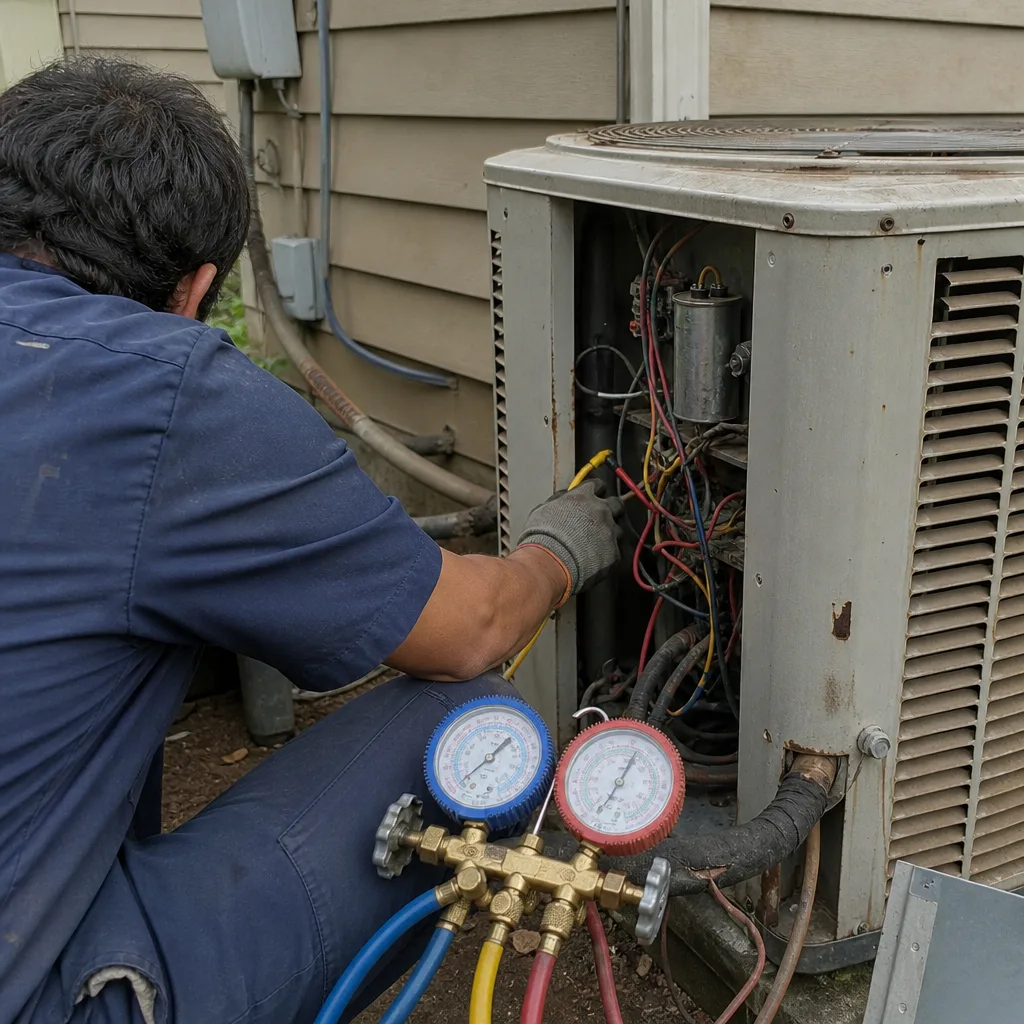 Before
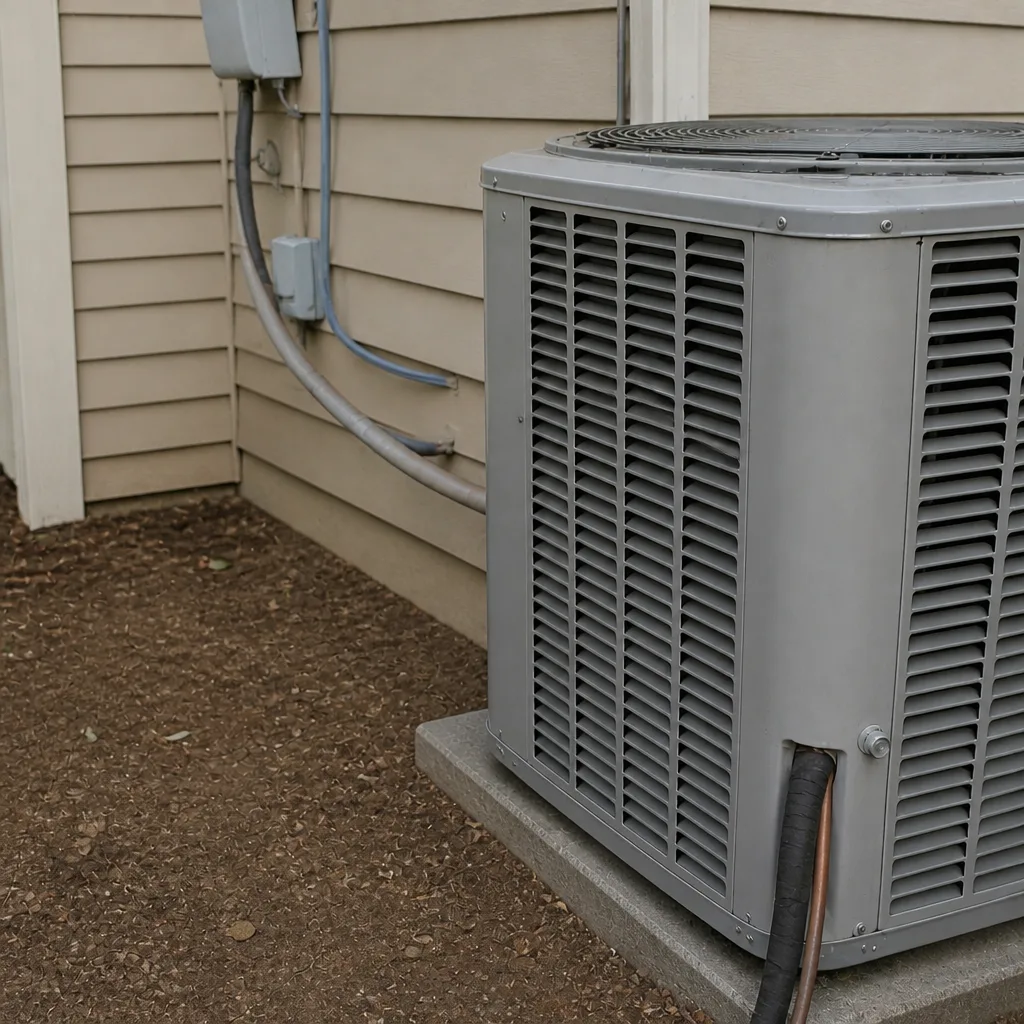 After
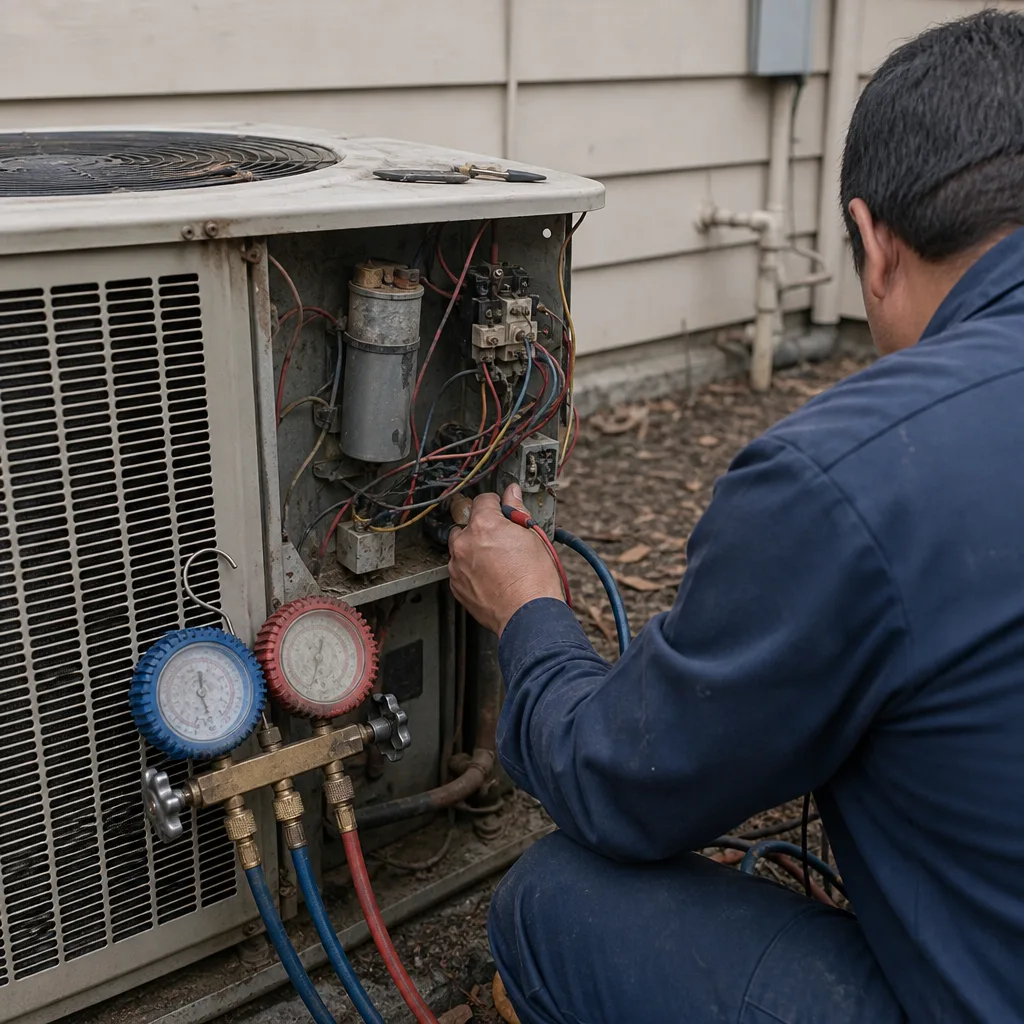 Before
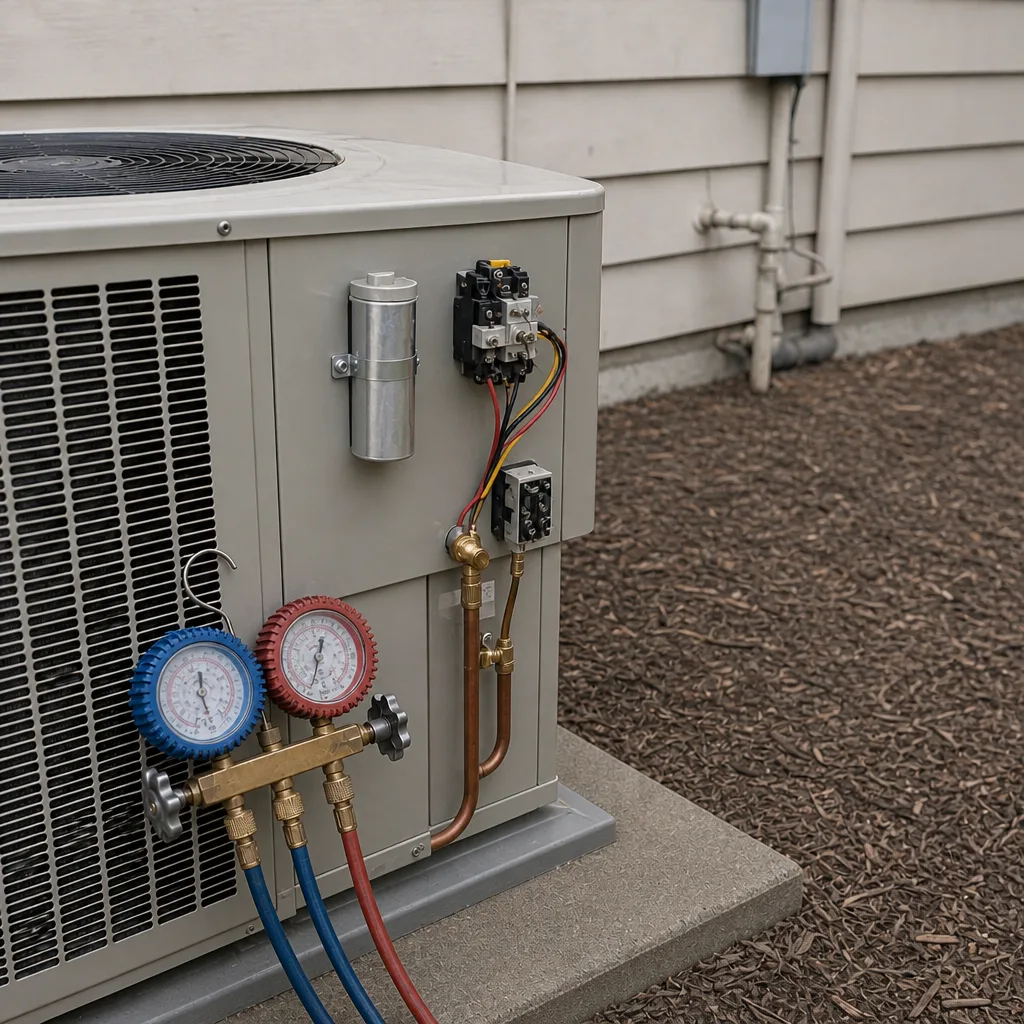 After